
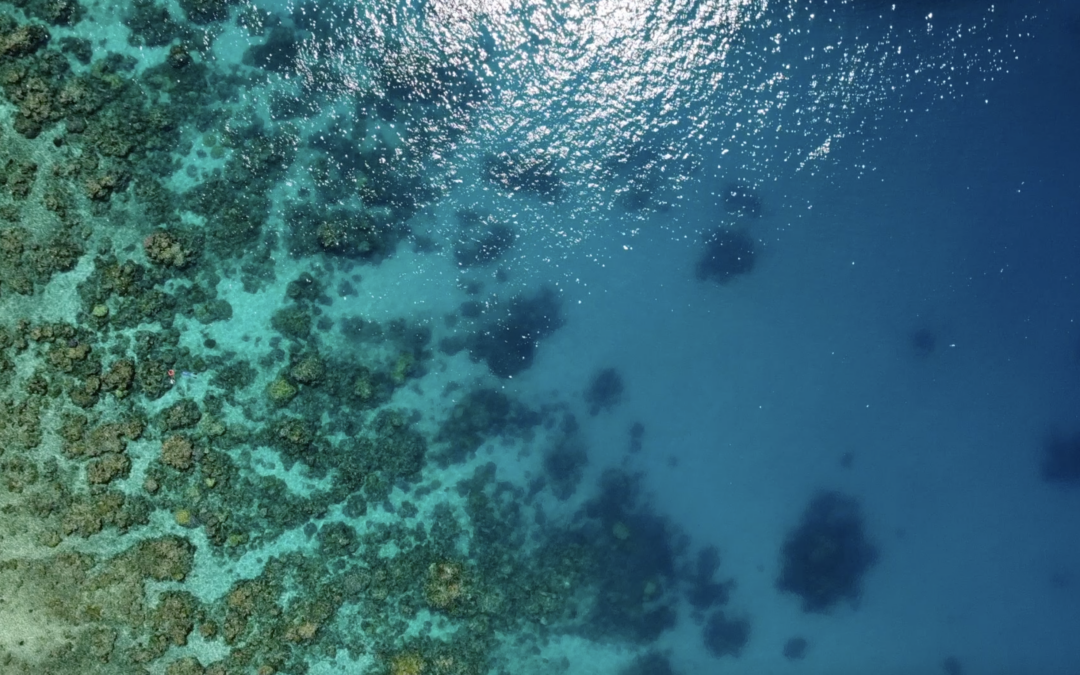
Please enjoy this video about Seahawk’s cruise around the Great Barrier Reef between October 2024 and January 2025.
There are few places on Earth that feel truly otherworldly. The Great Barrier Reef is one of them.
Stretching more than 2,300 kilometres along Queensland’s coastline, it is the largest coral reef system on the planet, a vast mosaic of over 3,000 reefs and hundreds of islands scattered across brilliant turquoise water. From above, it looks almost abstract. Beneath the surface, it is alive with colour, movement and intricate life.
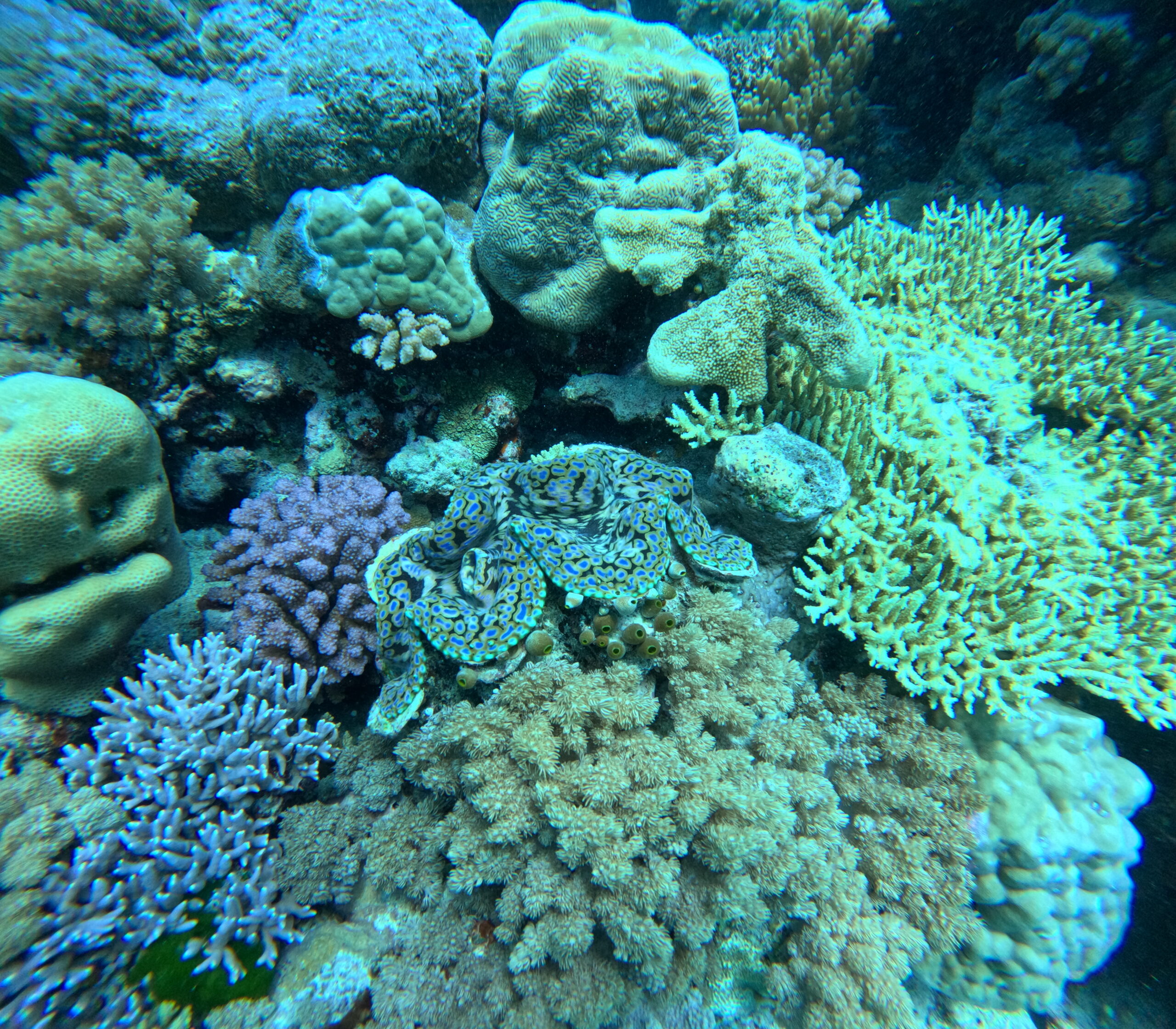
Seagrass meadows, mangrove forests, sponge gardens and coral lagoons all weave together to form one of the most complex ecosystems on Earth. Coral reefs themselves make up only a small percentage of the Marine Park, yet they are its vibrant heart, home to thousands of species that depend on each other for survival.
Established in 1975, the Marine Park now covers 344,400 square kilometres. It is carefully zoned and managed, balancing tourism, research and conservation. Rangers monitor reef health, protect cultural heritage sites and work to prevent illegal activity. But protection alone is not enough.
The Reef is under pressure.
Rising ocean temperatures cause coral bleaching, a stress response that turns corals white and, if prolonged, can lead to their death. Recovery, once measured over decades, is now interrupted by the next heatwave before it can fully take hold. Agricultural runoff, coastal development, overfishing and powerful cyclones all add to the strain.
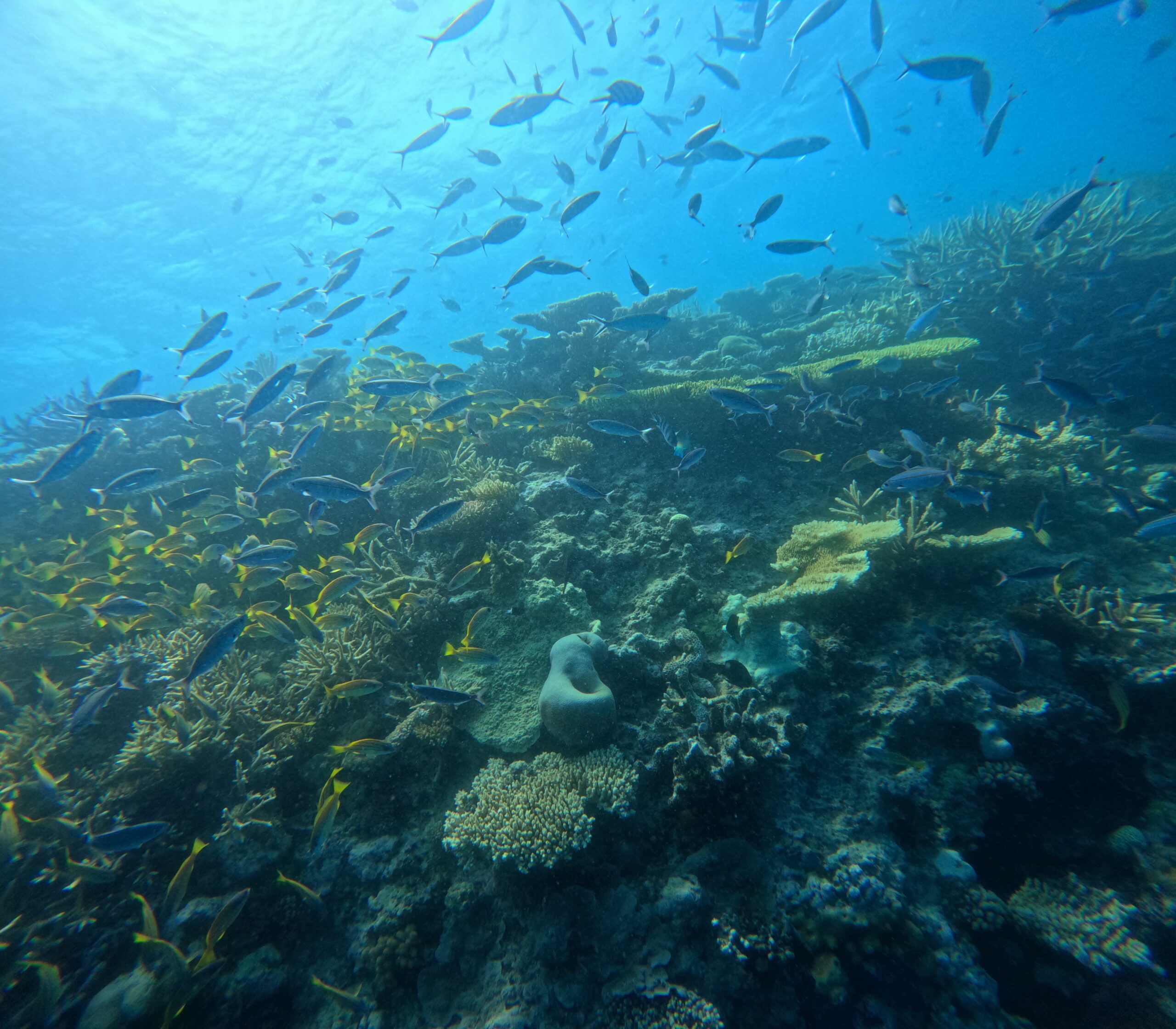
One of the Reef’s most formidable natural threats is the crown-of-thorns starfish, capable of consuming vast areas of coral during population outbreaks. Targeted control programs now protect hundreds of reefs each year, giving damaged areas a chance to recover.
Each spring, after a full moon and on carefully timed nights, millions of coral polyps release tiny egg and sperm bundles into the sea. The water fills with drifting life. Most will not survive, eaten by fish or carried away by currents, but those that do – settle onto the ocean floor and begin building the next generation of reef.
It is fragile, it is extraordinary, and its future depends not only on local protection, but on global action to address the climate forces reshaping it.
The Great Barrier Reef is not just a natural wonder; it is a living reminder of both the beauty of our planet and the responsibility we carry to protect it.
Written by Nicola Watton
Chief Stewardess