
Canada – Summer 2025
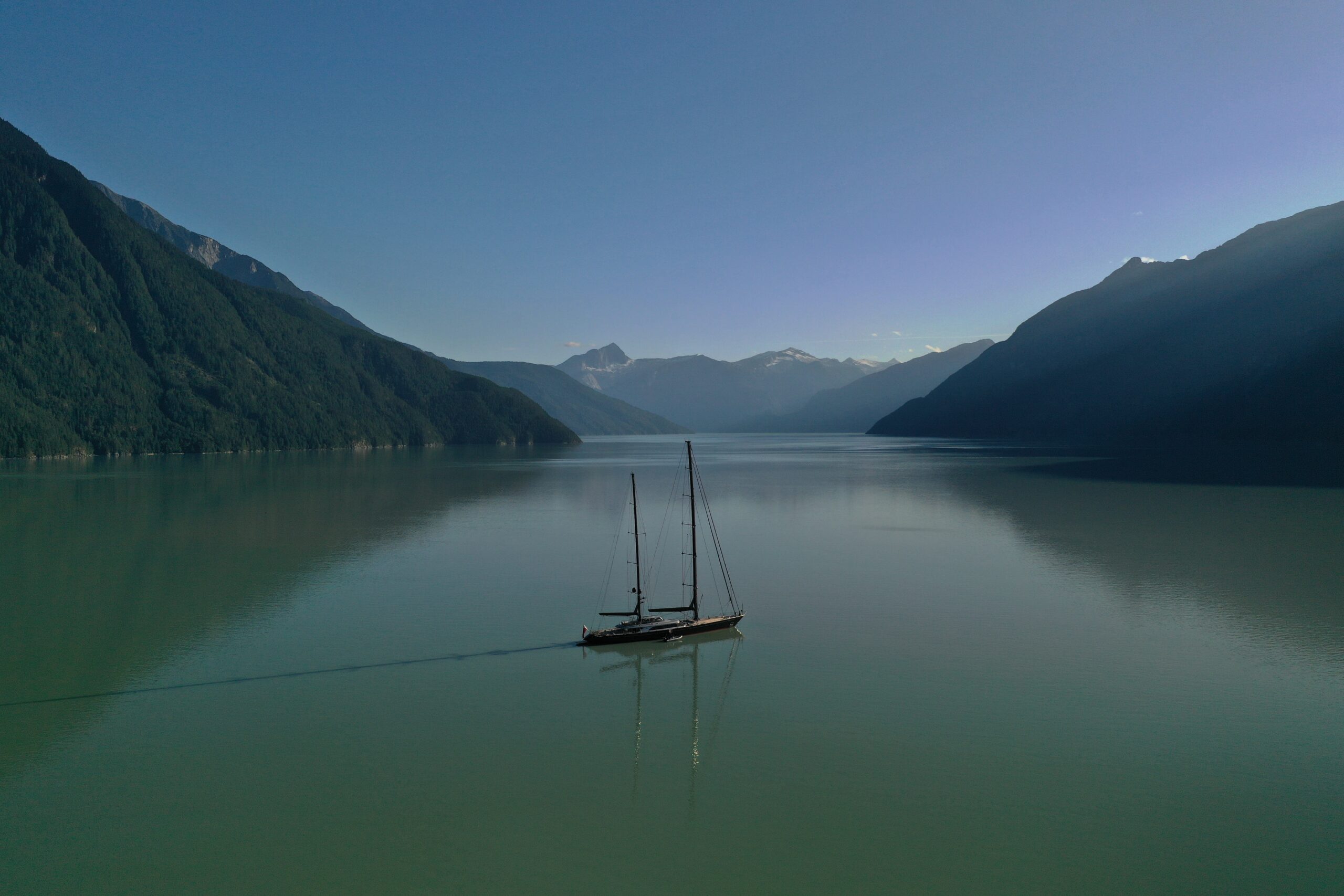
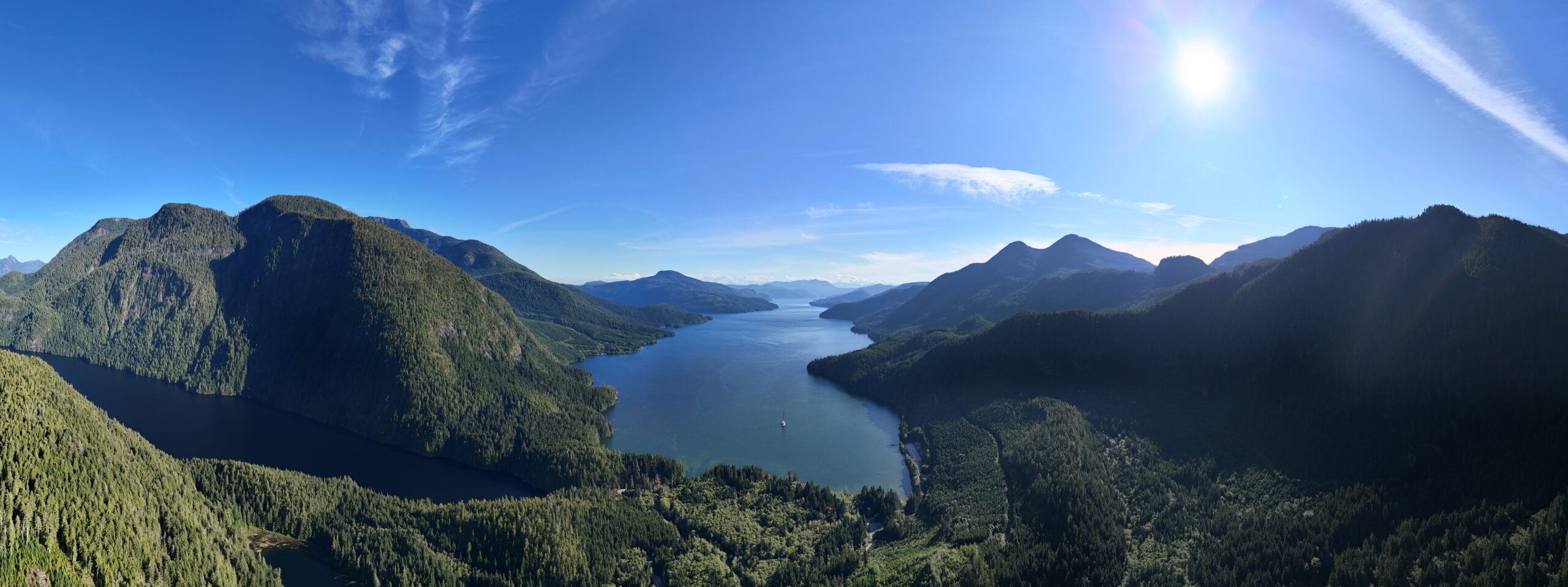
After a year in the South Pacific, Seahawk turned north, swapping warm turquoise waters for the crisp air and long summer days of Canada’s west coast. A brief stop in Ensenada for hull repairs behind us, we crossed into British Columbia and into a dramatically different world.
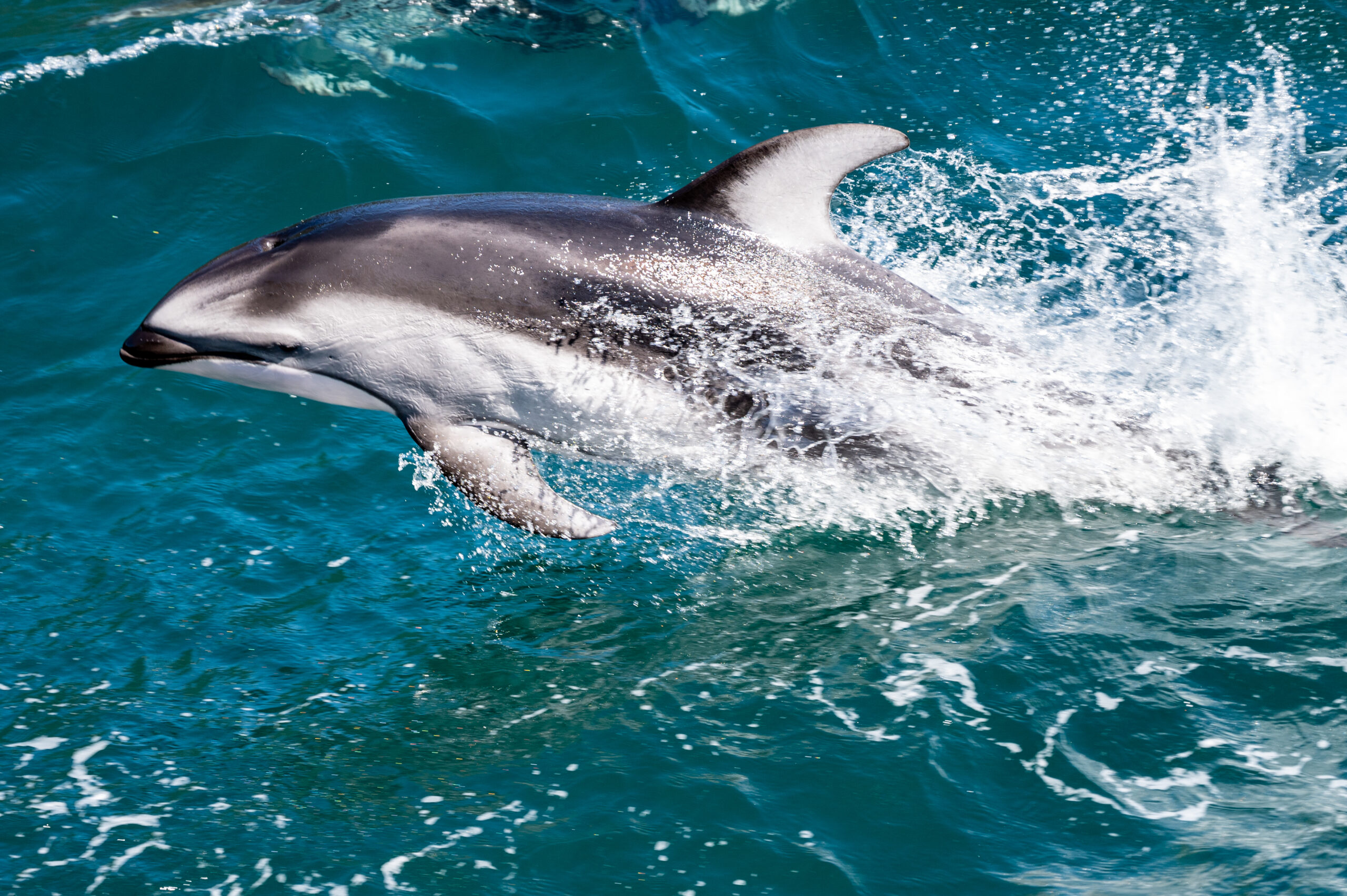
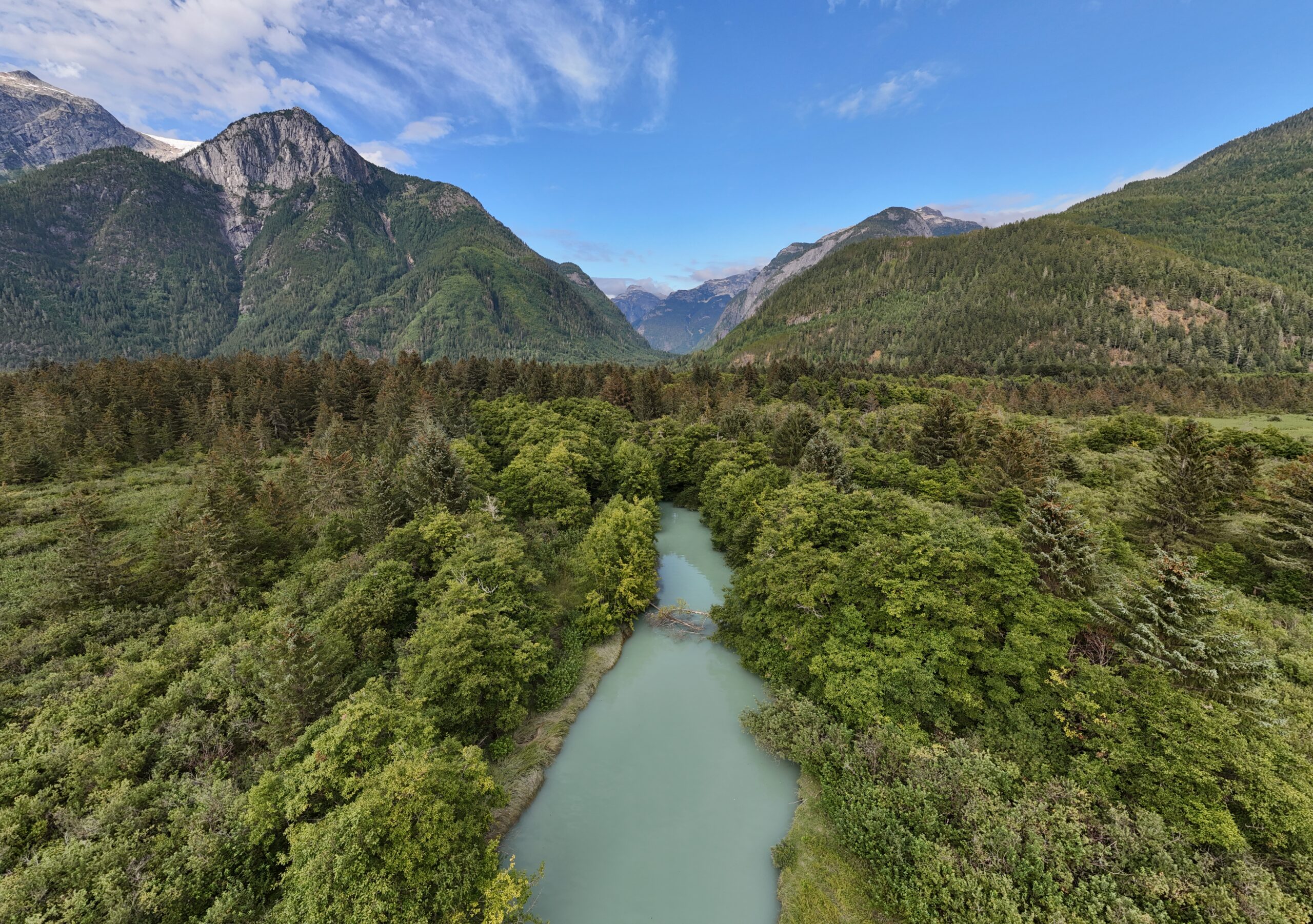
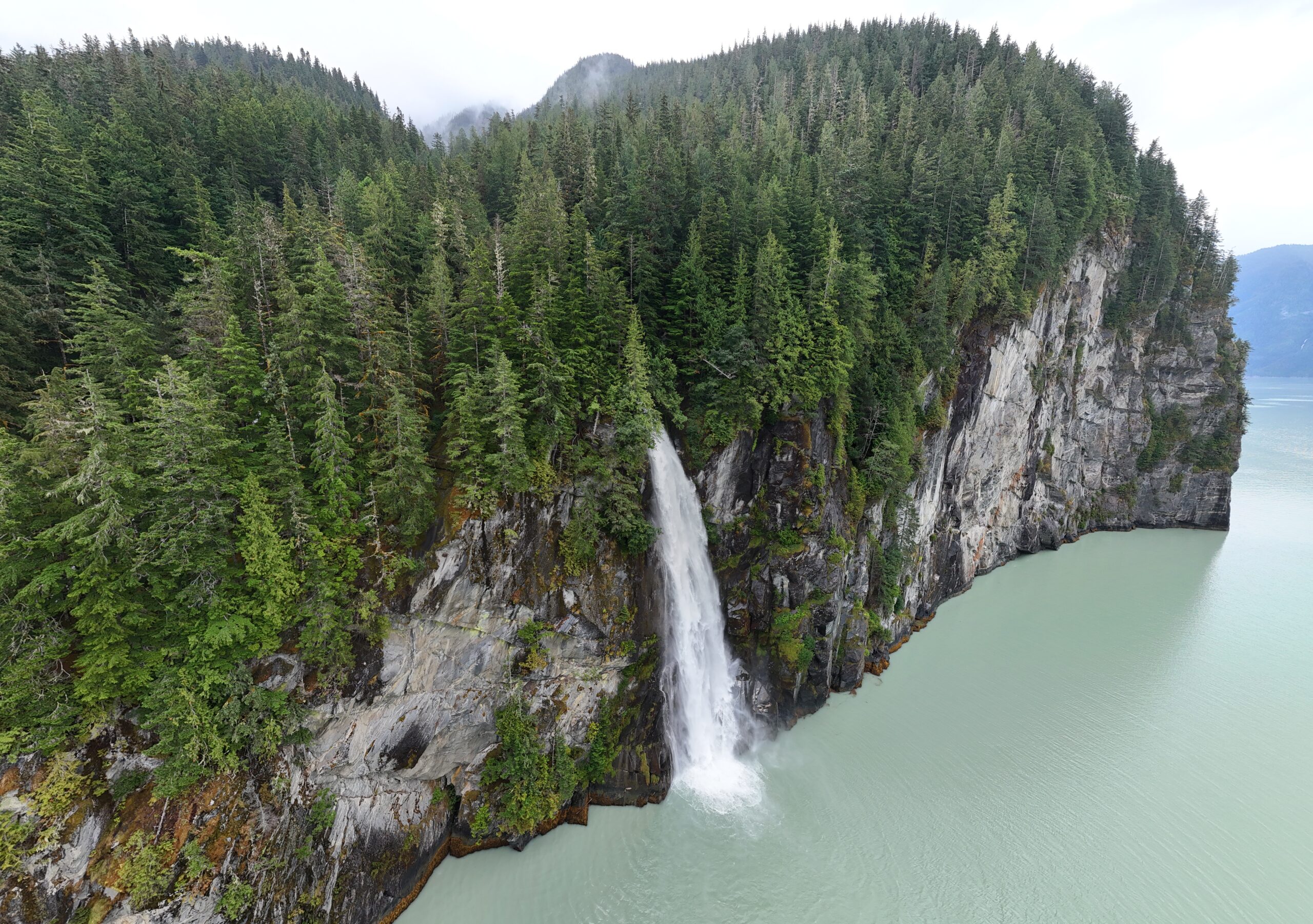
Pacific white-sided dolphins surfed in our wake, humpback whales breached in the distance, and glacier runoff transformed the sea into luminous shades of turquoise. Logs drifted silently past, curious seals surfaced to inspect us, and the vast forests felt wonderfully untamed.
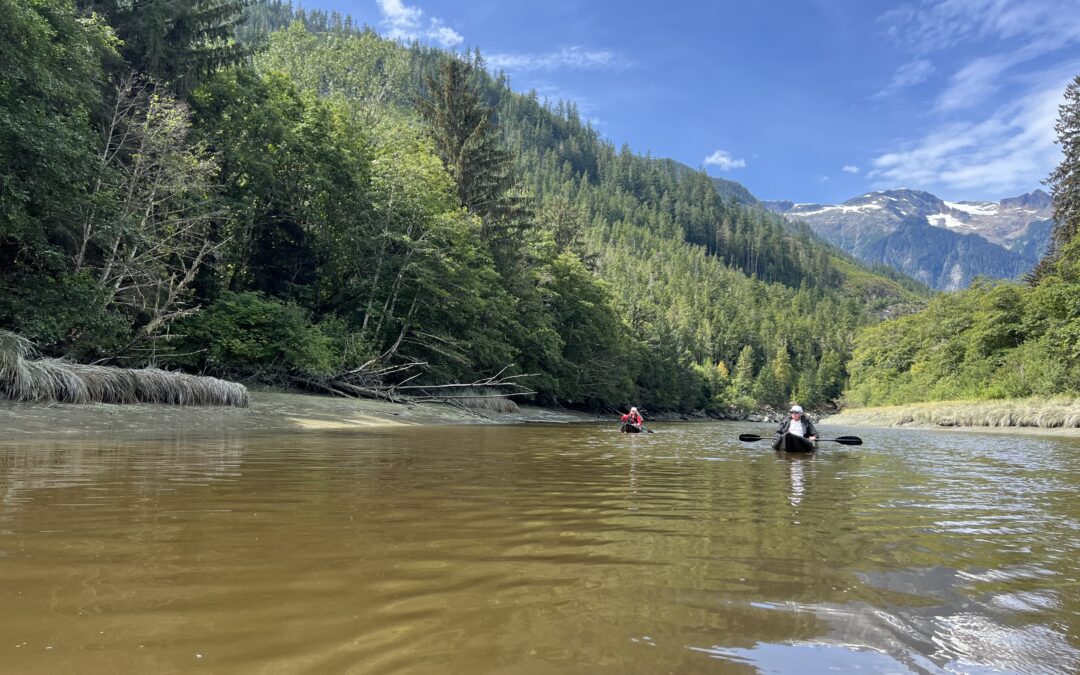
Ashore, we wandered through Rebecca Spit gathering wild blackberries and kayaked quiet rivers, always mindful that this is bear country. Near Knight Inlet, we observed grizzlies and cubs from a safe distance.
British Columbia’s coastal waters are also home to orcas. The small southern resident population is critically endangered, with only around 74 individuals remaining. Their primary food source, Chinook salmon, has declined significantly, placing immense pressure on their survival. Increased marine traffic and underwater noise add further strain. Without meaningful conservation efforts, their future is uncertain.
In contrast, Bigg’s orcas (also known as transient orcas) appear to be faring better. We were fortunate to encounter a pod near Thurston Bay, easily recognized by their distinctive dorsal fins and markings. It was an unexpected and uplifting moment during our journey south.
The natural beauty is stunning. But perhaps equally impressive is the demeanour of the people. Everyone we have met has been exceedingly friendly, welcoming, and kind. There is also a genuine generosity that transcends the need for conventional transactions. Mostly, though, it is the caring way members of the community treat each other that confirms a superior merit.
The Salmon Story
Salmon are woven into the fabric of this coastline. Local fishermen told us the runs have been thin this year, a reflection of broader declines affecting many species across the province. Fresh salmon was surprisingly hard to come by in British Columbia. We received a few puzzled looks when we asked locals if they had any salmon to spare from their catch. Later, we learned that trading or selling recreationally caught salmon is illegal, which quickly explained the awkward glances.
Wild salmon in British Columbia face mounting pressures: climate change, habitat degradation, historic overfishing, and the ongoing impact of open-net salmon farming. While recreational fishing is generally well-managed and localised, both historic commercial harvest and aquaculture practices have left lasting effects.
Sources of Salmon:
Best Choice: Opt for wild-caught B.C. salmon certified either by Ocean Wise, the MSC, or Friend of the Sea.
Good Alternative: Choose land-based, closed-containment farmed salmon from suppliers like Kuterra or Sustainable Blue.
Avoid open-net pen–farmed salmon from B.C. due to ongoing environmental and ecological concerns.

Written by Nicola Watton and Kari Morgan
Chief Stewardess / Deckhand, Dive Instructor and Videographer