Canada – Summer 2025

Canada – Summer 2025

Please enjoy this video about Seahawk’s visit to Canada in Summer 2025.

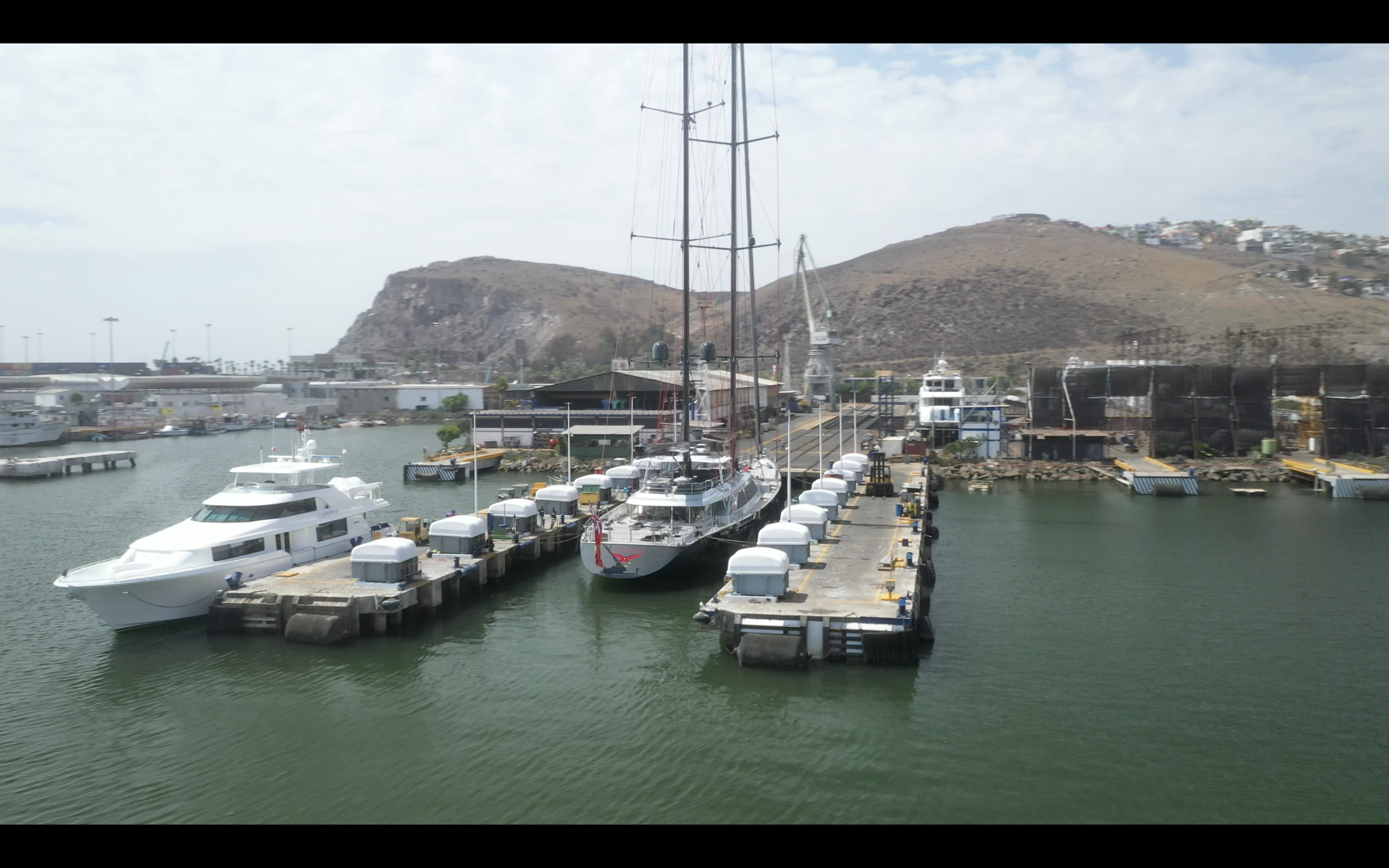
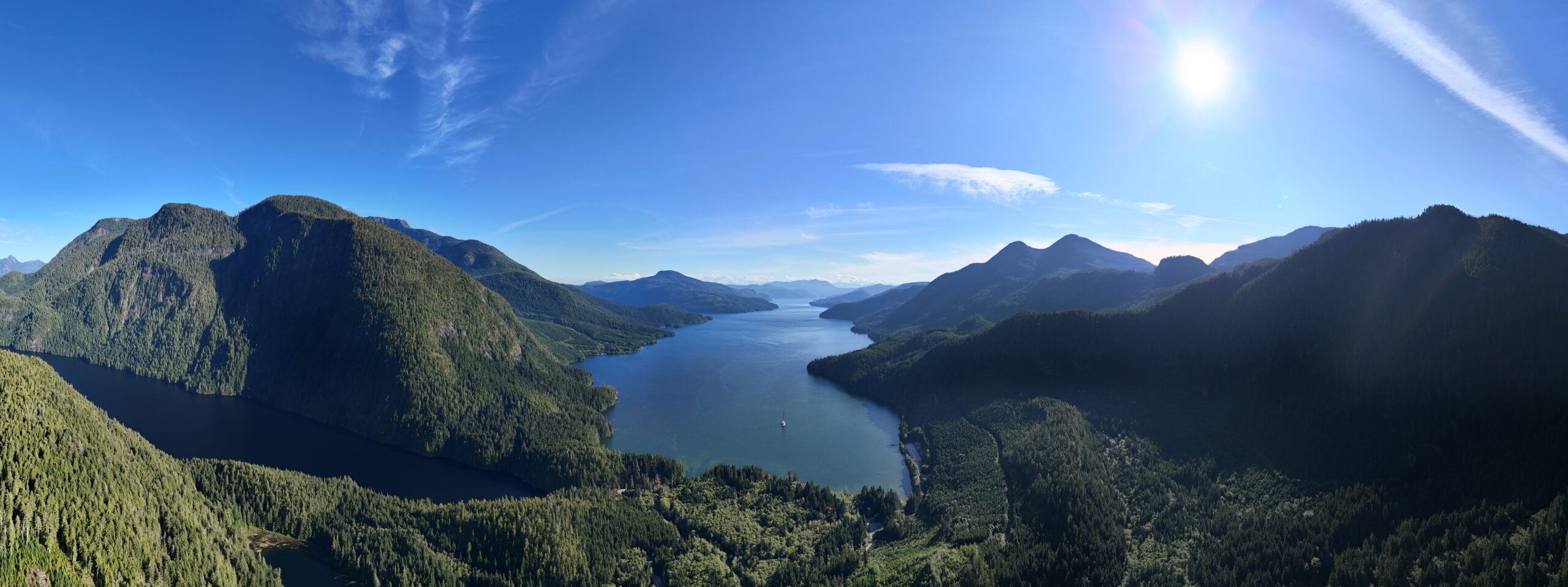
After a year in the South Pacific, Seahawk turned north, swapping warm turquoise waters for the crisp air and long summer days of Canada’s west coast. A brief stop in Ensenada for hull repairs behind us, we crossed into British Columbia and into a dramatically different world.
 

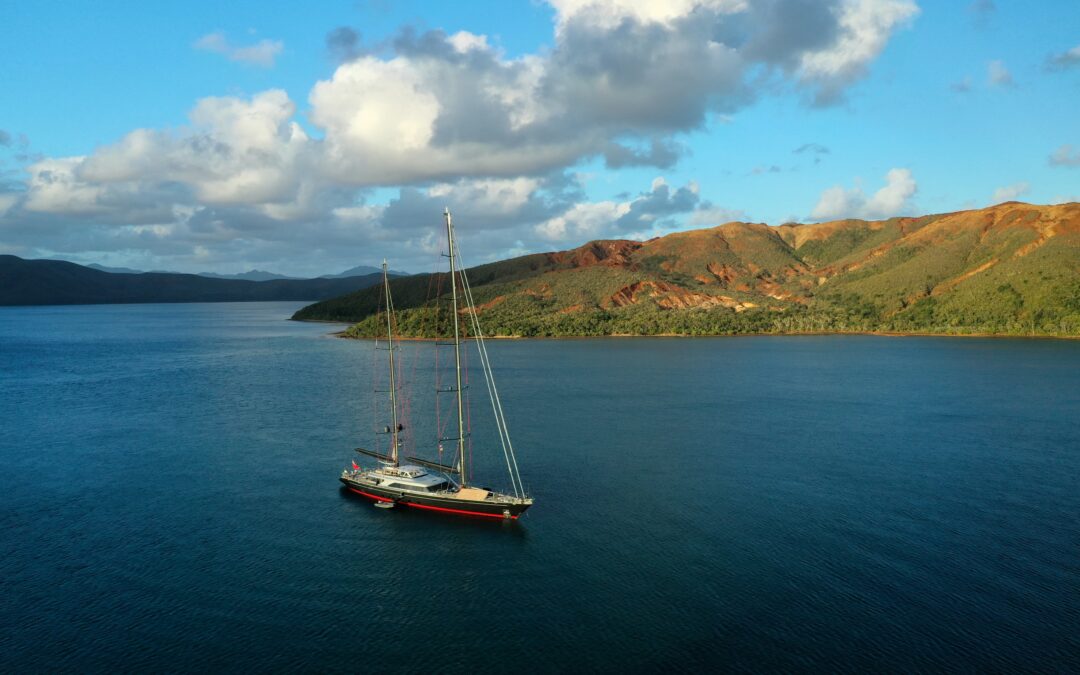
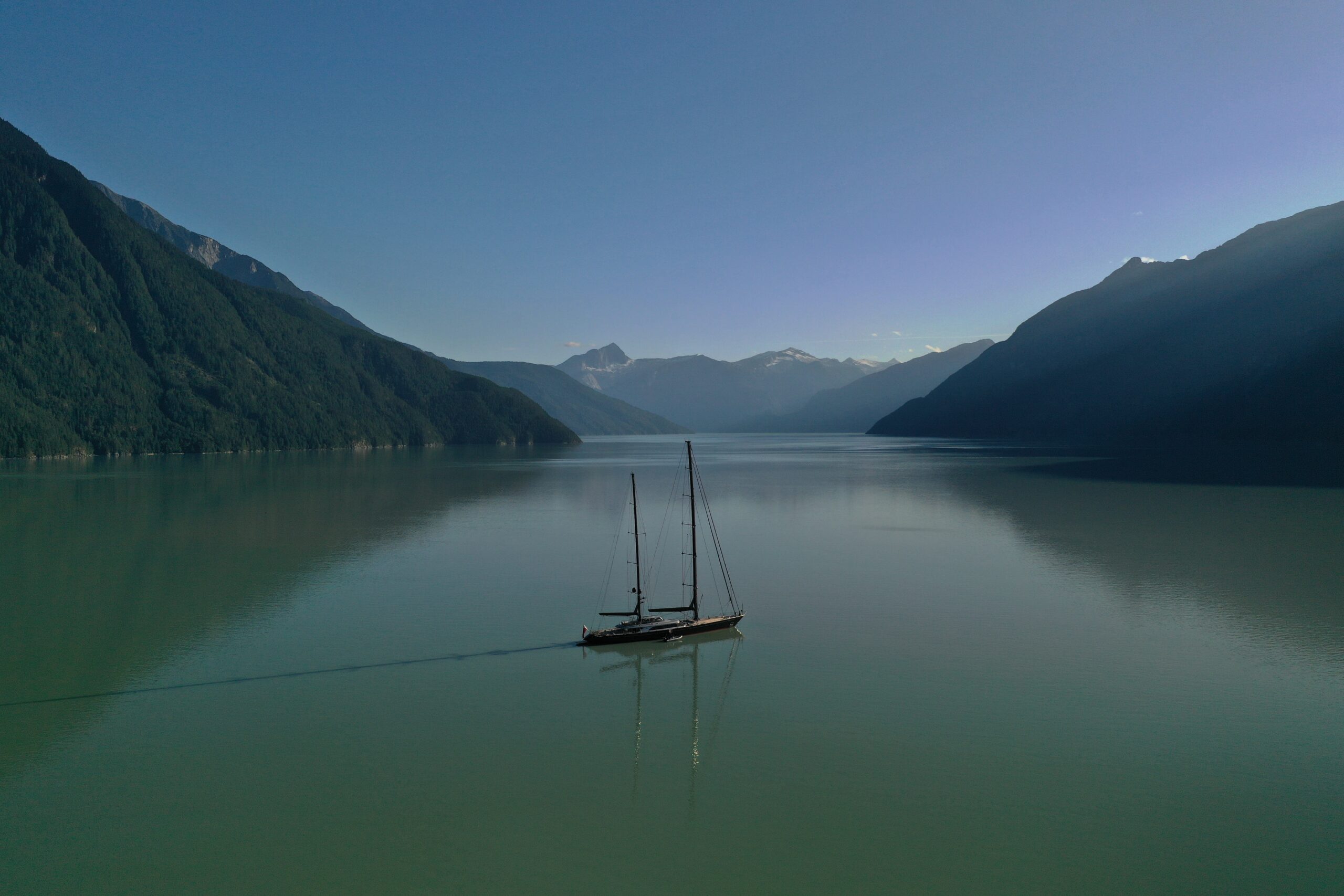
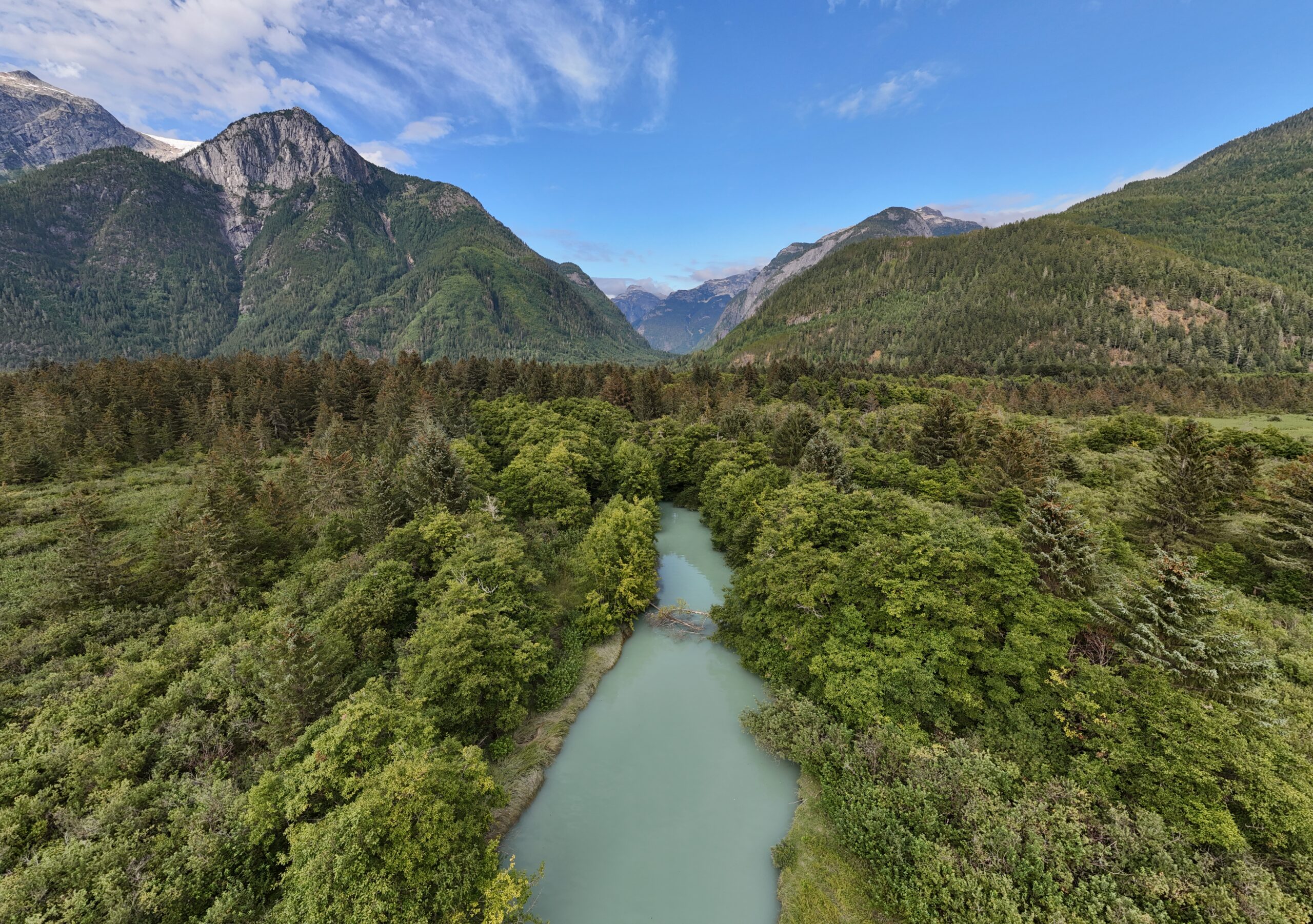
Kalig drone shot

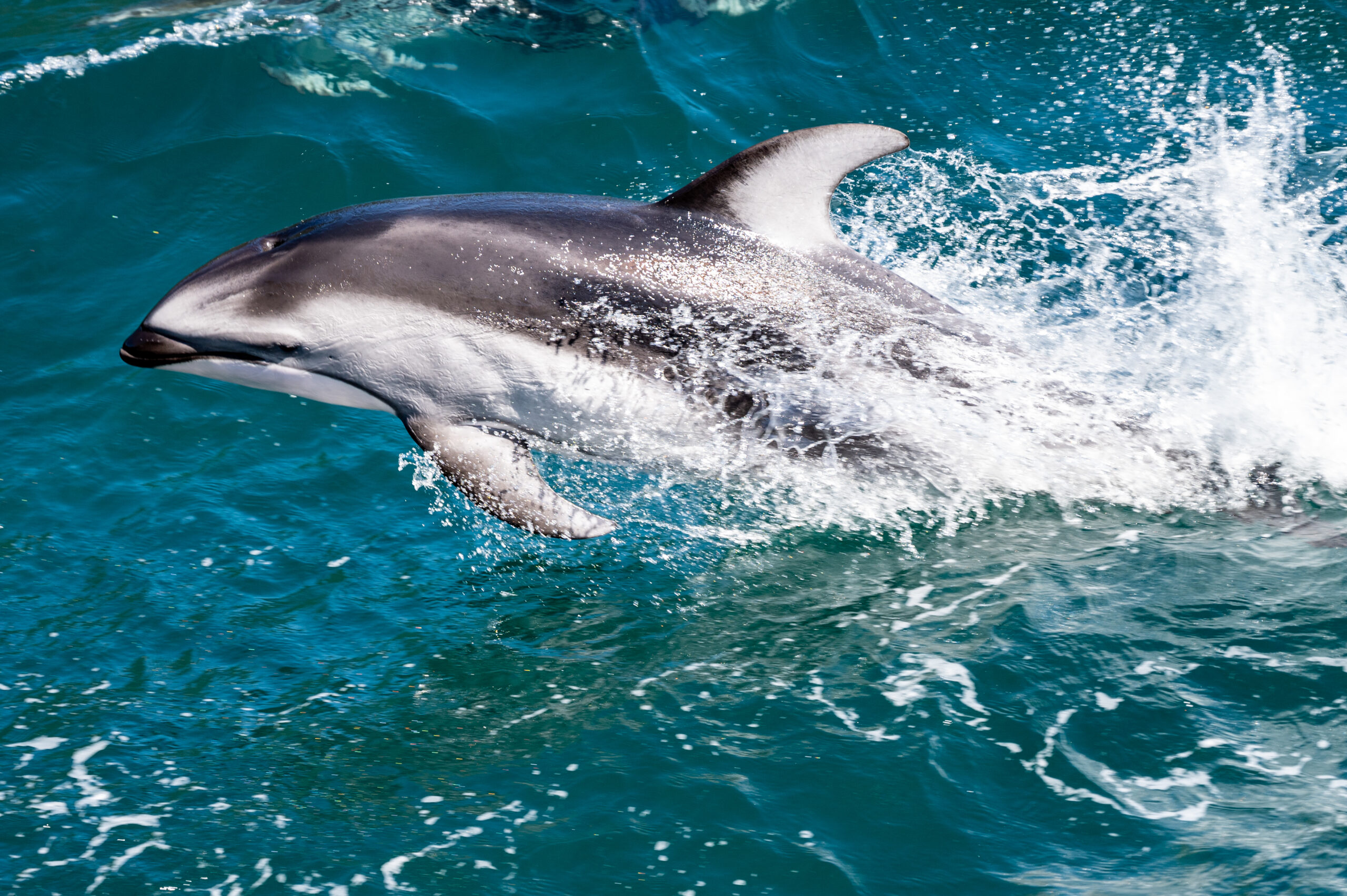
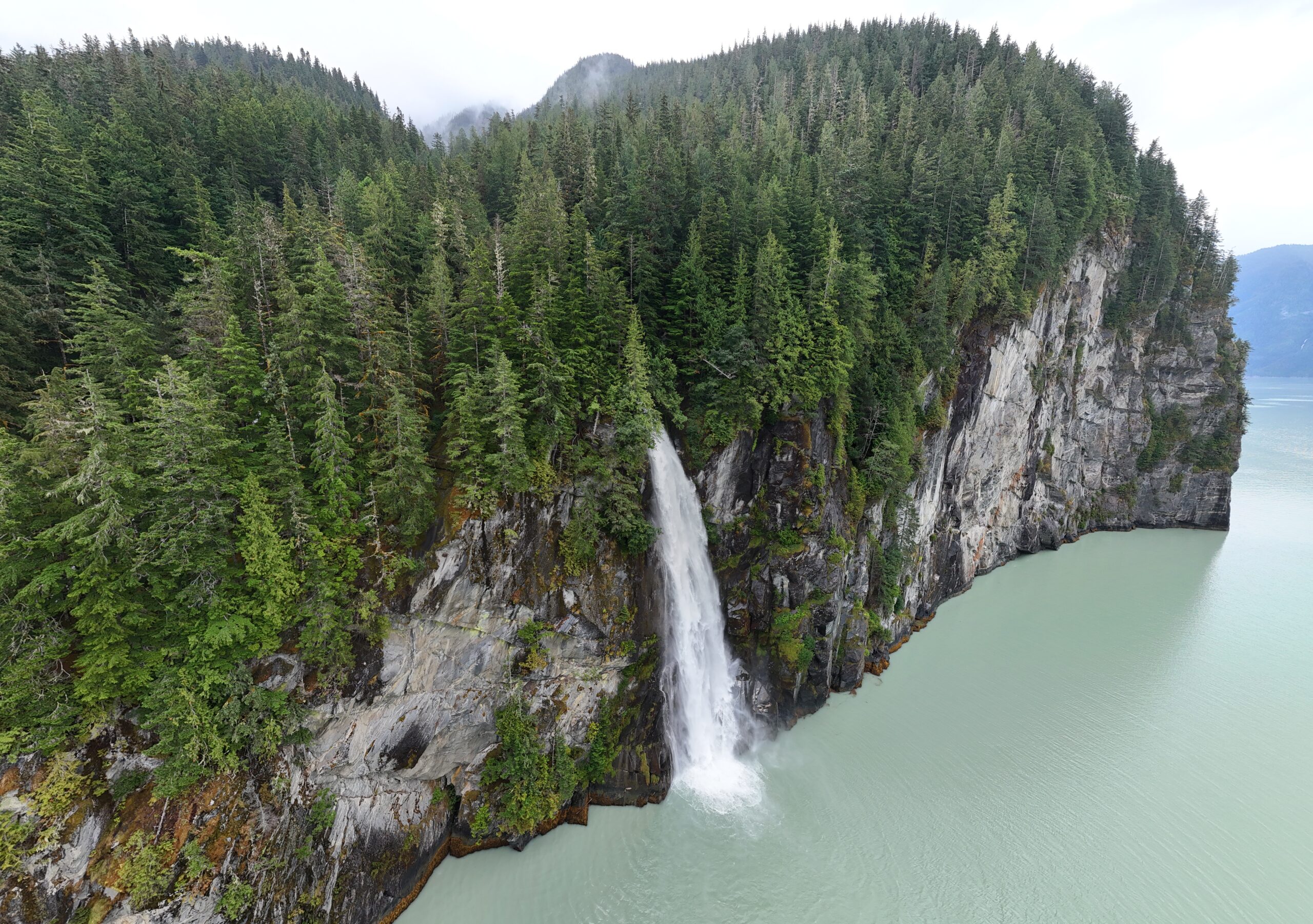
Pacific white-sided dolphins surfed in our wake, humpback whales breached in the distance, and glacier runoff transformed the sea into luminous shades of turquoise. Logs drifted silently past, curious seals surfaced to inspect us, and the vast forests felt wonderfully untamed.

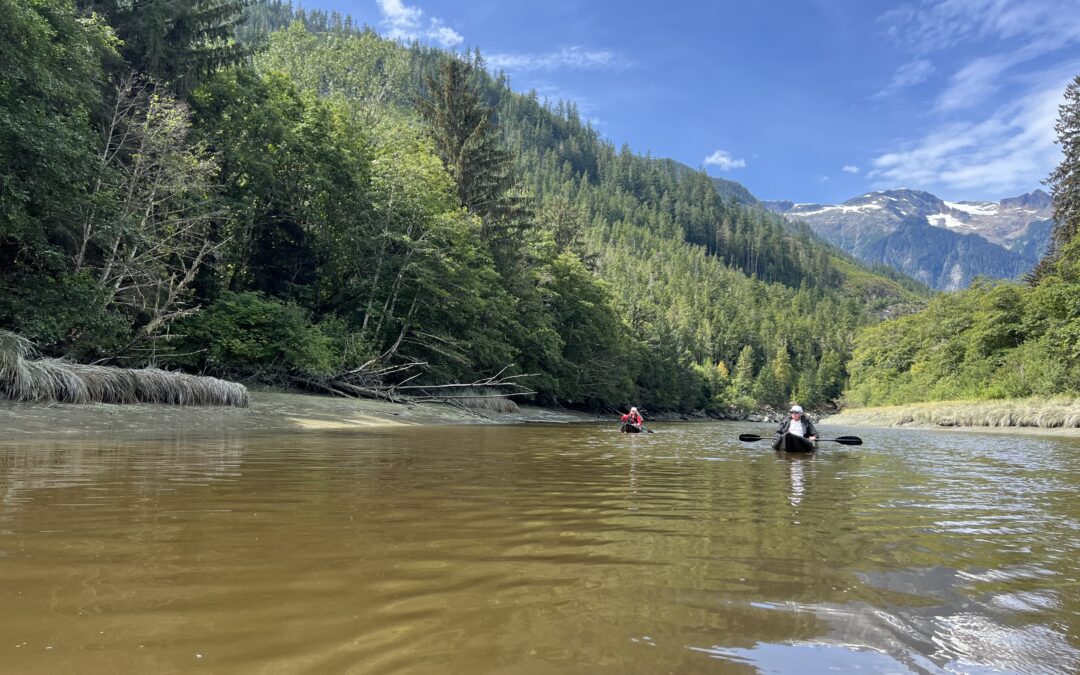
Ashore, we wandered through Rebecca Spit gathering wild blackberries and kayaked quiet rivers, always mindful that this is bear country. Near Knight Inlet, we observed grizzlies and cubs from a safe distance.
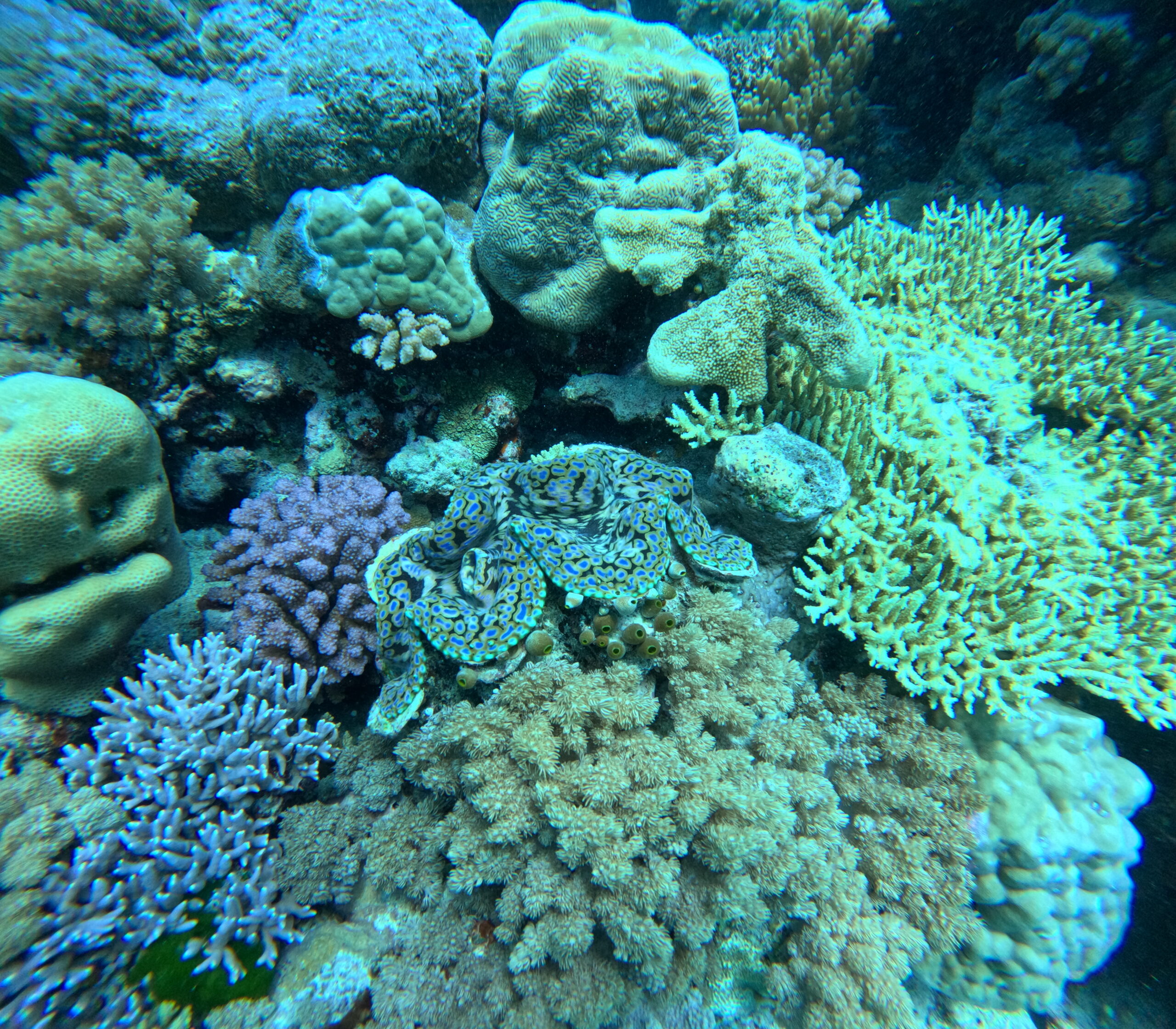
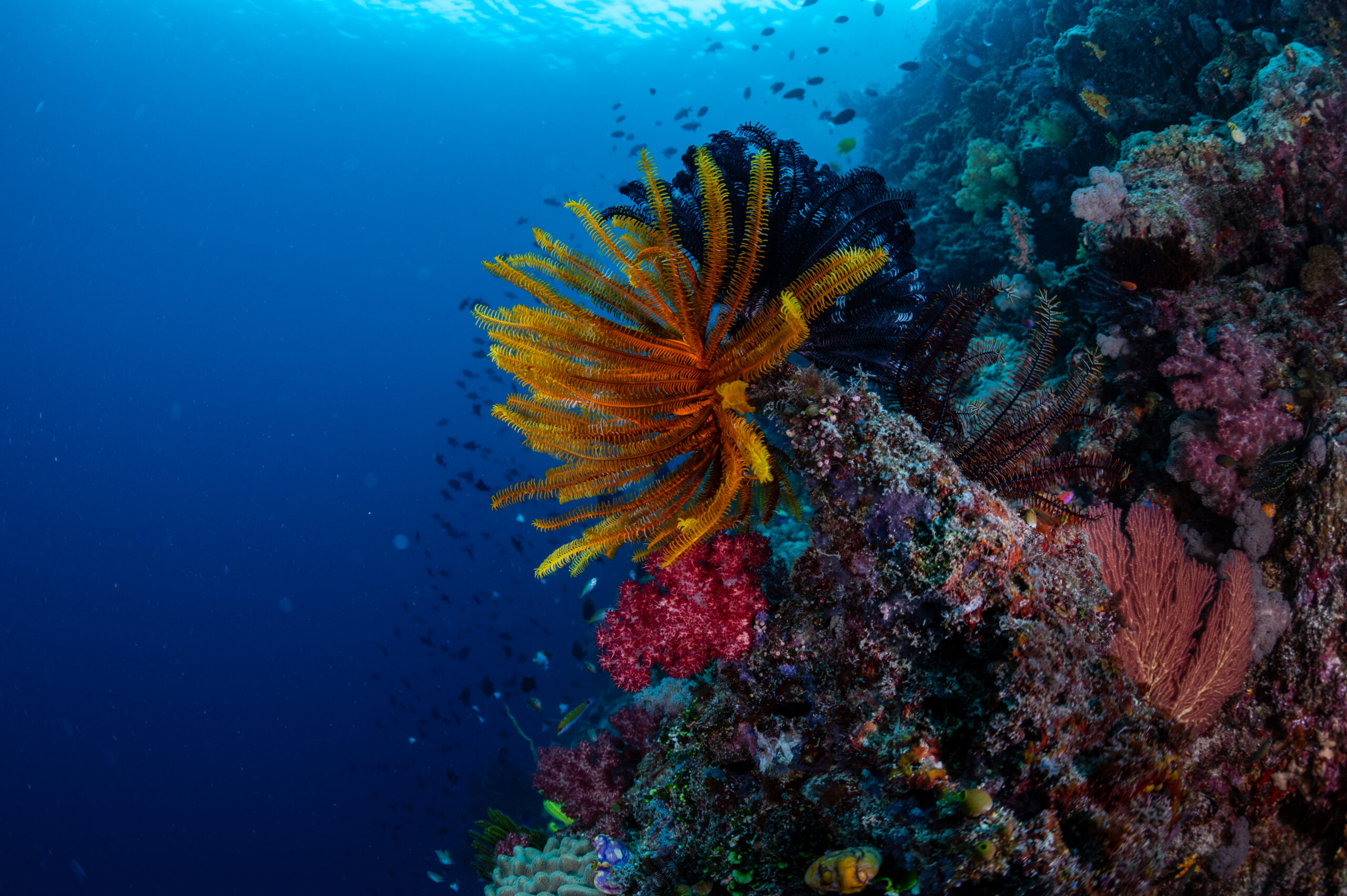
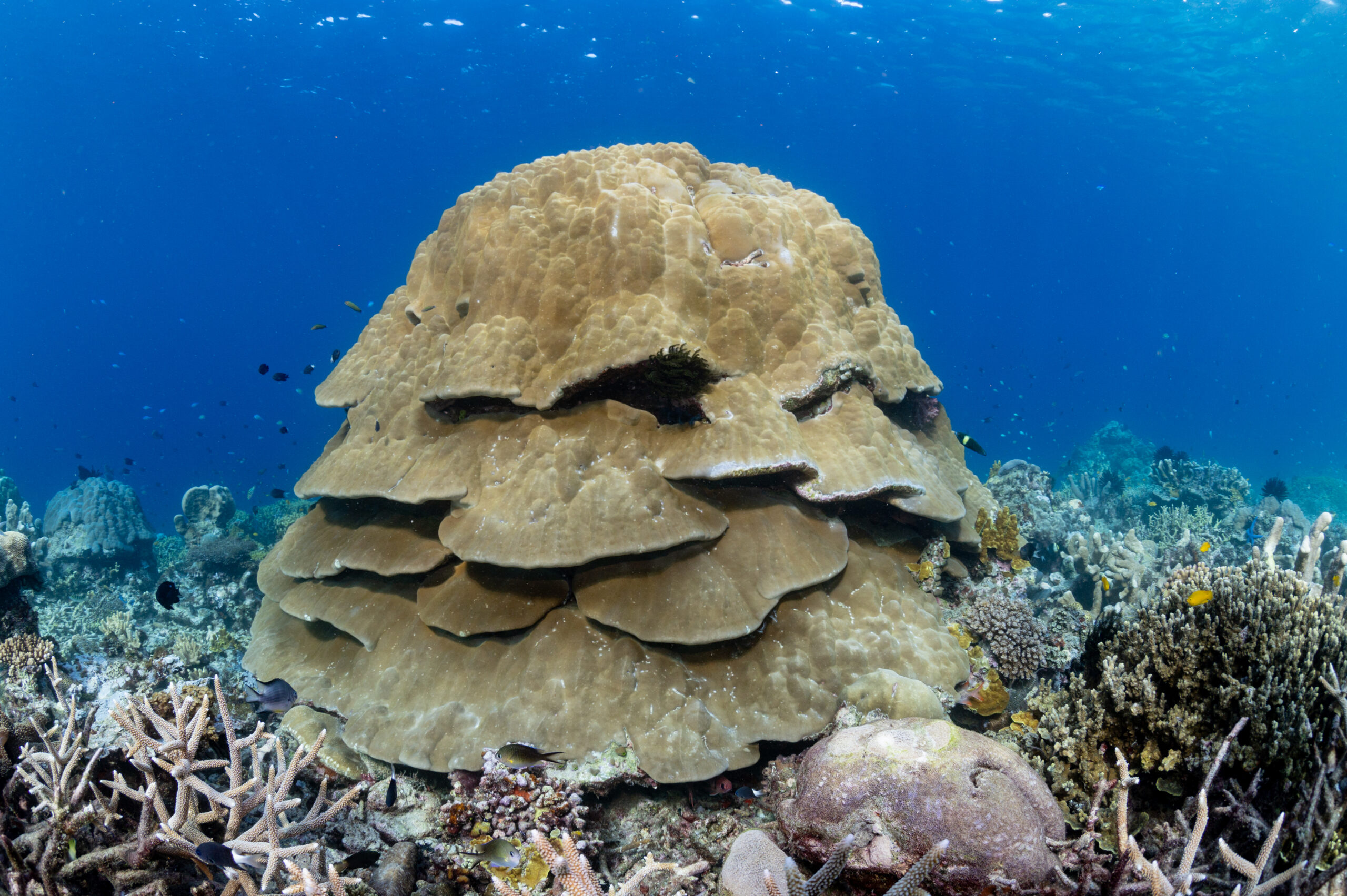
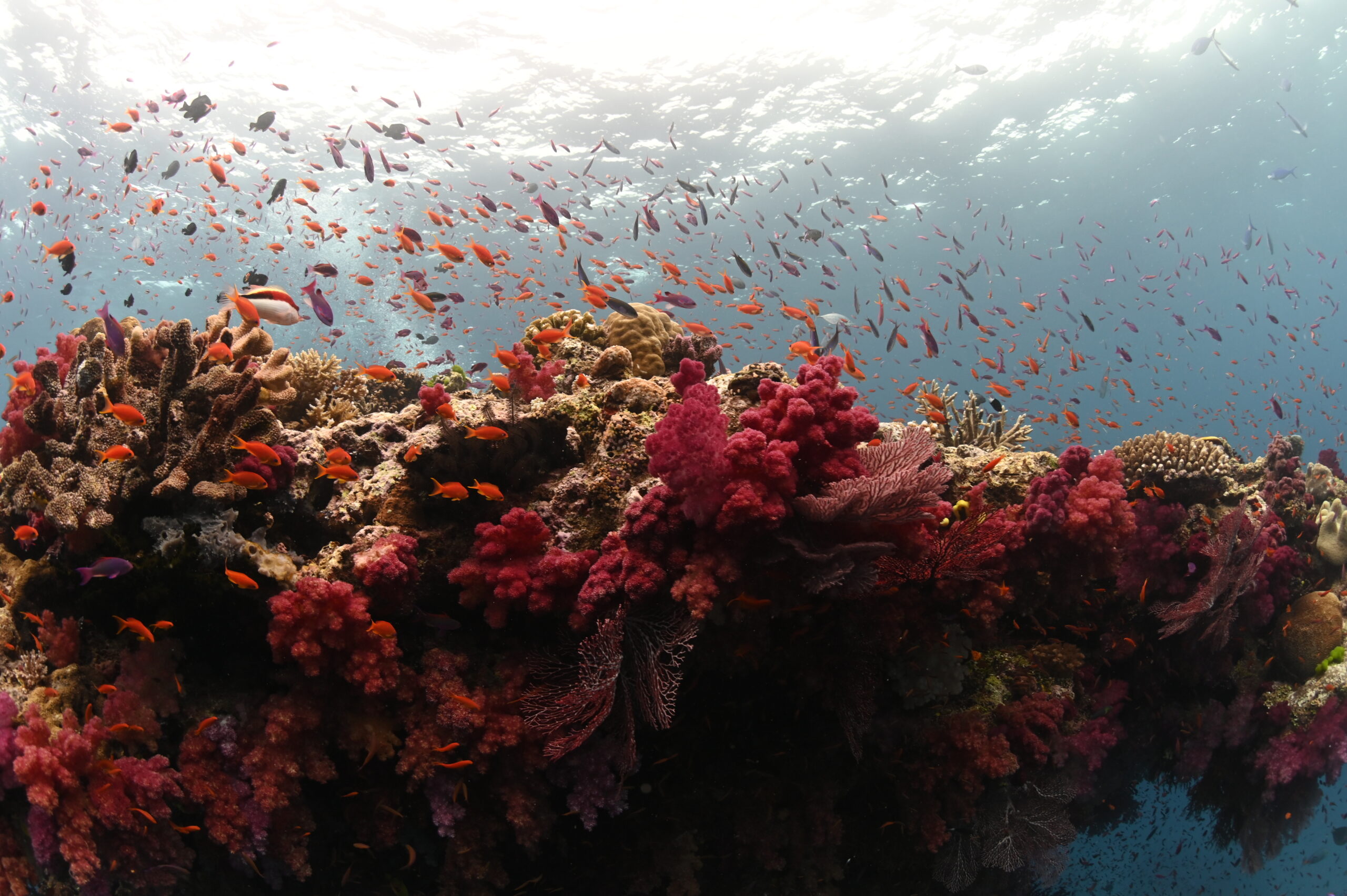
Indonesian Coral

British Columbia’s coastal waters are also home to orcas. The small southern resident population is critically endangered, with only around 74 individuals remaining. Their primary food source, Chinook salmon, has declined significantly, placing immense pressure on their survival. Increased marine traffic and underwater noise add further strain. Without meaningful conservation efforts, their future is uncertain.

In contrast, Bigg’s orcas (also known as transient orcas) appear to be faring better. We were fortunate to encounter a pod near Thurston Bay, easily recognized by their distinctive dorsal fins and markings. It was an unexpected and uplifting moment during our journey south.

The natural beauty is stunning. But perhaps equally impressive is the demeanour of the people. Everyone we have met has been exceedingly friendly, welcoming, and kind. There is also a genuine generosity that transcends the need for conventional transactions. Mostly, though, it is the caring way members of the community treat each other that confirms a superior merit.
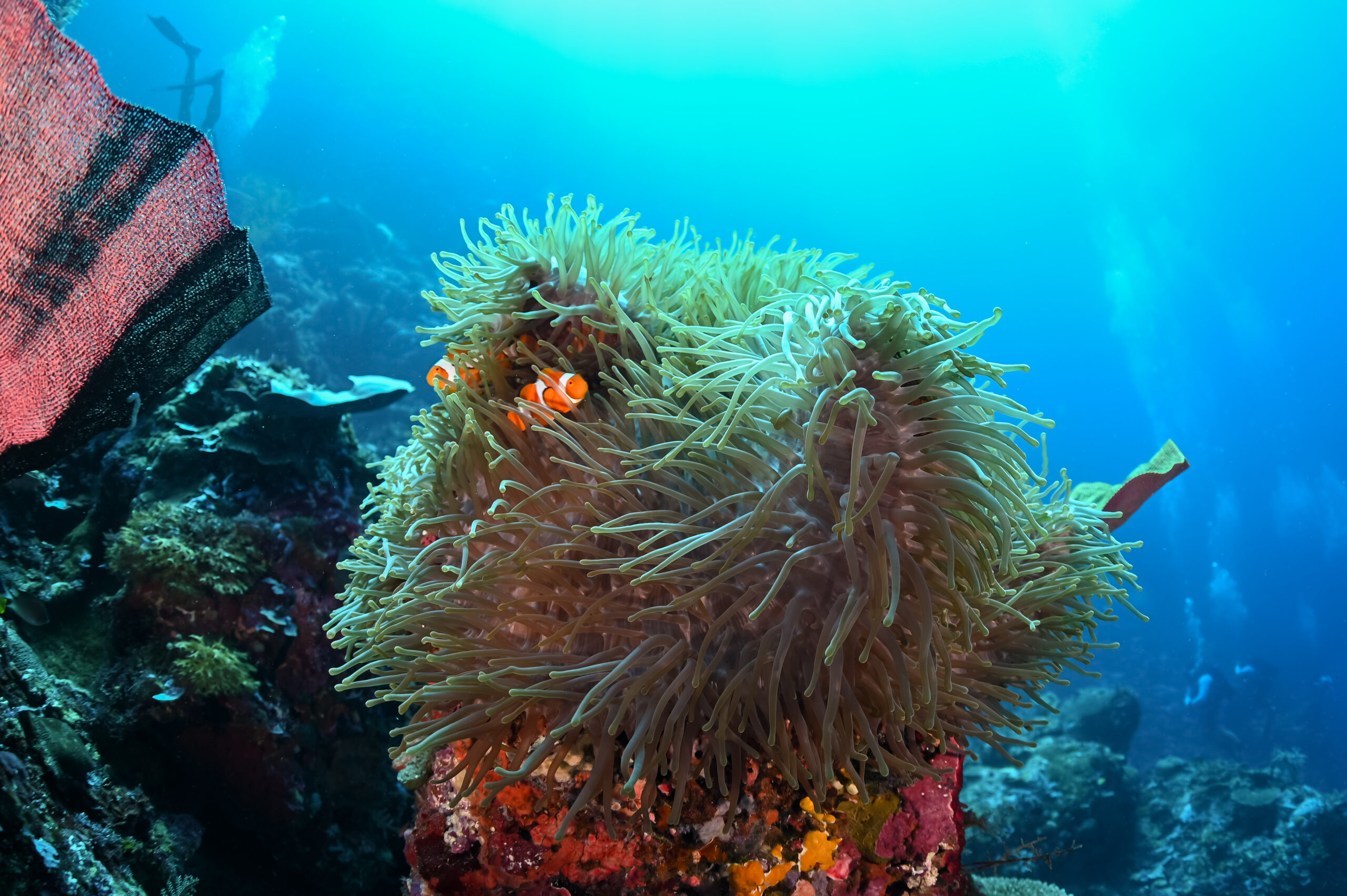
Close up of coral polypus

The Salmon Story

Salmon are woven into the fabric of this coastline. Local fishermen told us the runs have been thin this year, a reflection of broader declines affecting many species across the province. Fresh salmon was surprisingly hard to come by in British Columbia. We received a few puzzled looks when we asked locals if they had any salmon to spare from their catch. Later, we learned that trading or selling recreationally caught salmon is illegal, which quickly explained the awkward glances.


Wild salmon in British Columbia face mounting pressures: climate change, habitat degradation, historic overfishing, and the ongoing impact of open-net salmon farming. While recreational fishing is generally well-managed and localised, both historic commercial harvest and aquaculture practices have left lasting effects.
 

sarah harvesting coral
Open net pen farmed salmon is widely identified as a significant threat to wild salmon due to disease transmission, sea lice, pollution, genetic impacts from escapes, and other operational risks. It is frequently cited as a contributing factor in the decline of wild salmon populations in southern British Columbia. In response to these concerns, the Government of Canada has announced a plan to transition away from open net pen salmon farming in British Columbia’s coastal waters by June 30, 2029, with the stated goal of protecting wild salmon. More information on open net pen farmed salmon can be found at https://www.wildfirst.ca/issue/

Sources of Salmon:

Best Choice: Opt for wild-caught B.C. salmon certified either by Ocean Wise, the MSC, or Friend of the Sea.


Good Alternative: Choose land-based, closed-containment farmed salmon from suppliers like Kuterra or Sustainable Blue.


Avoid open-net pen–farmed salmon from B.C. due to ongoing environmental and ecological concerns.
Coral experiment
Written by Nicola Watton and Kari Morgan

Written by Nicola Watton and Kari Morgan

Chief Stewardess / Deckhand, Dive Instructor and Videographer
Great Barrier Reef 2024/2025

Great Barrier Reef 2024/2025

Please enjoy this video about Seahawk’s cruise around the Great Barrier Reef between October 2024 and January 2025. 

There are few places on Earth that feel truly otherworldly. The Great Barrier Reef is one of them.

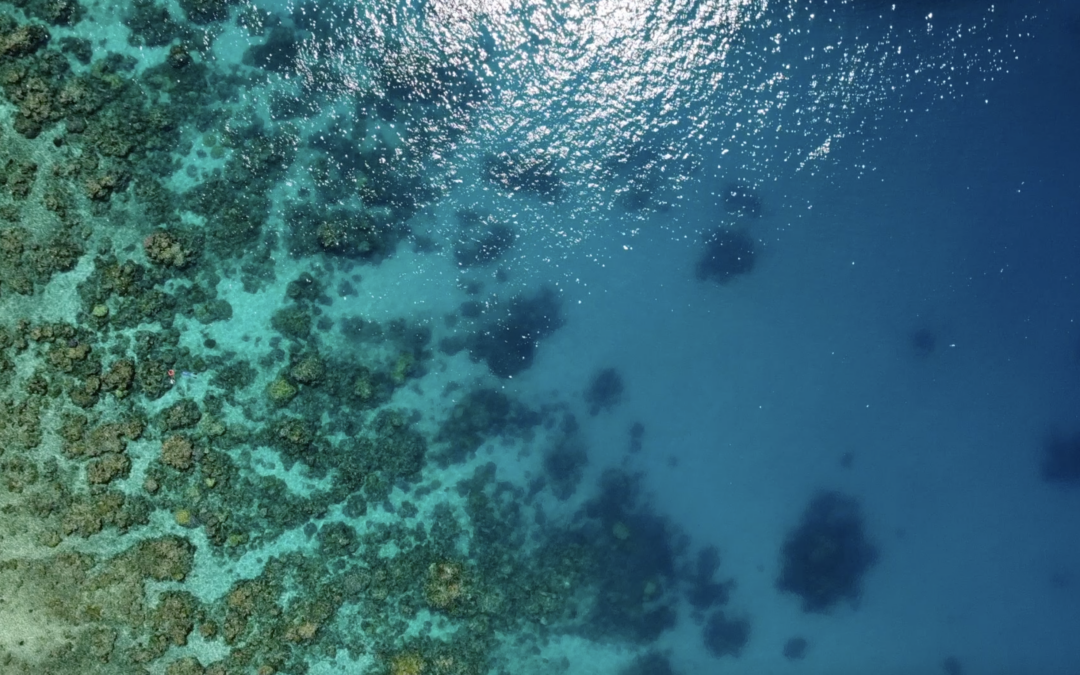
Stretching more than 2,300 kilometres along Queensland’s coastline, it is the largest coral reef system on the planet, a vast mosaic of over 3,000 reefs and hundreds of islands scattered across brilliant turquoise water. From above, it looks almost abstract. Beneath the surface, it is alive with colour, movement and intricate life.

Grey Reef Shark and divers

Seagrass meadows, mangrove forests, sponge gardens and coral lagoons all weave together to form one of the most complex ecosystems on Earth. Coral reefs themselves make up only a small percentage of the Marine Park, yet they are its vibrant heart, home to thousands of species that depend on each other for survival.

Established in 1975, the Marine Park now covers 344,400 square kilometres. It is carefully zoned and managed, balancing tourism, research and conservation. Rangers monitor reef health, protect cultural heritage sites and work to prevent illegal activity. But protection alone is not enough.

The Reef is under pressure.

Rising ocean temperatures cause coral bleaching, a stress response that turns corals white and, if prolonged, can lead to their death. Recovery, once measured over decades, is now interrupted by the next heatwave before it can fully take hold. Agricultural runoff, coastal development, overfishing and powerful cyclones all add to the strain.

BRUV

One of the Reef’s most formidable natural threats is the crown-of-thorns starfish, capable of consuming vast areas of coral during population outbreaks. Targeted control programs now protect hundreds of reefs each year, giving damaged areas a chance to recover.

Each spring, after a full moon and on carefully timed nights, millions of coral polyps release tiny egg and sperm bundles into the sea. The water fills with drifting life. Most will not survive, eaten by fish or carried away by currents, but those that do – settle onto the ocean floor and begin building the next generation of reef.

It is fragile, it is extraordinary, and its future depends not only on local protection, but on global action to address the climate forces reshaping it.

The Great Barrier Reef is not just a natural wonder; it is a living reminder of both the beauty of our planet and the responsibility we carry to protect it.

3 passes at Tahanea atoll
Written by Nicola Watton

Written by Nicola Watton

Chief Stewardess

Solomon Islands

Solomon Islands


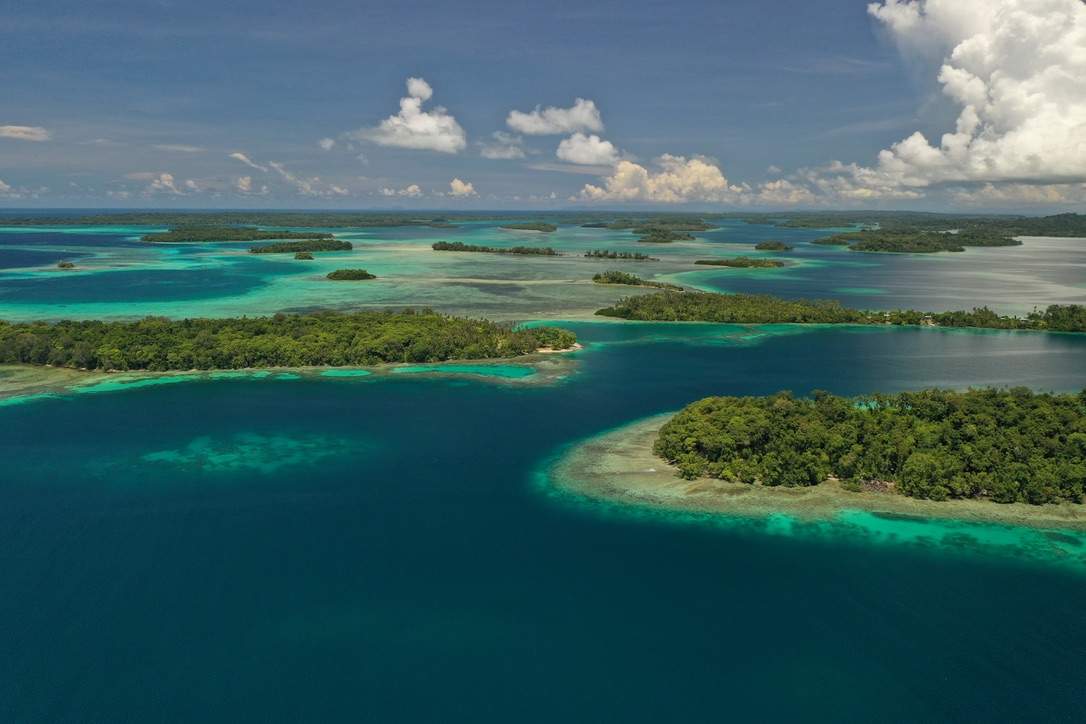
During mid October to early November 2024, Seahawk’s mission continued to the Solomon Islands where we spent 3 weeks exploring this beautiful tropical archipelago.

The striking thing about cruising these islands is that on one level they look and feel very unspoiled, untouched and stunning but this first impression belies the islands turbulent past and the onslaught of relatively recent misguided economic policies.


Scratching beneath the surface you are soon aware of past events, most notably the indelible footprint and scars on the land and seascape of WW2.

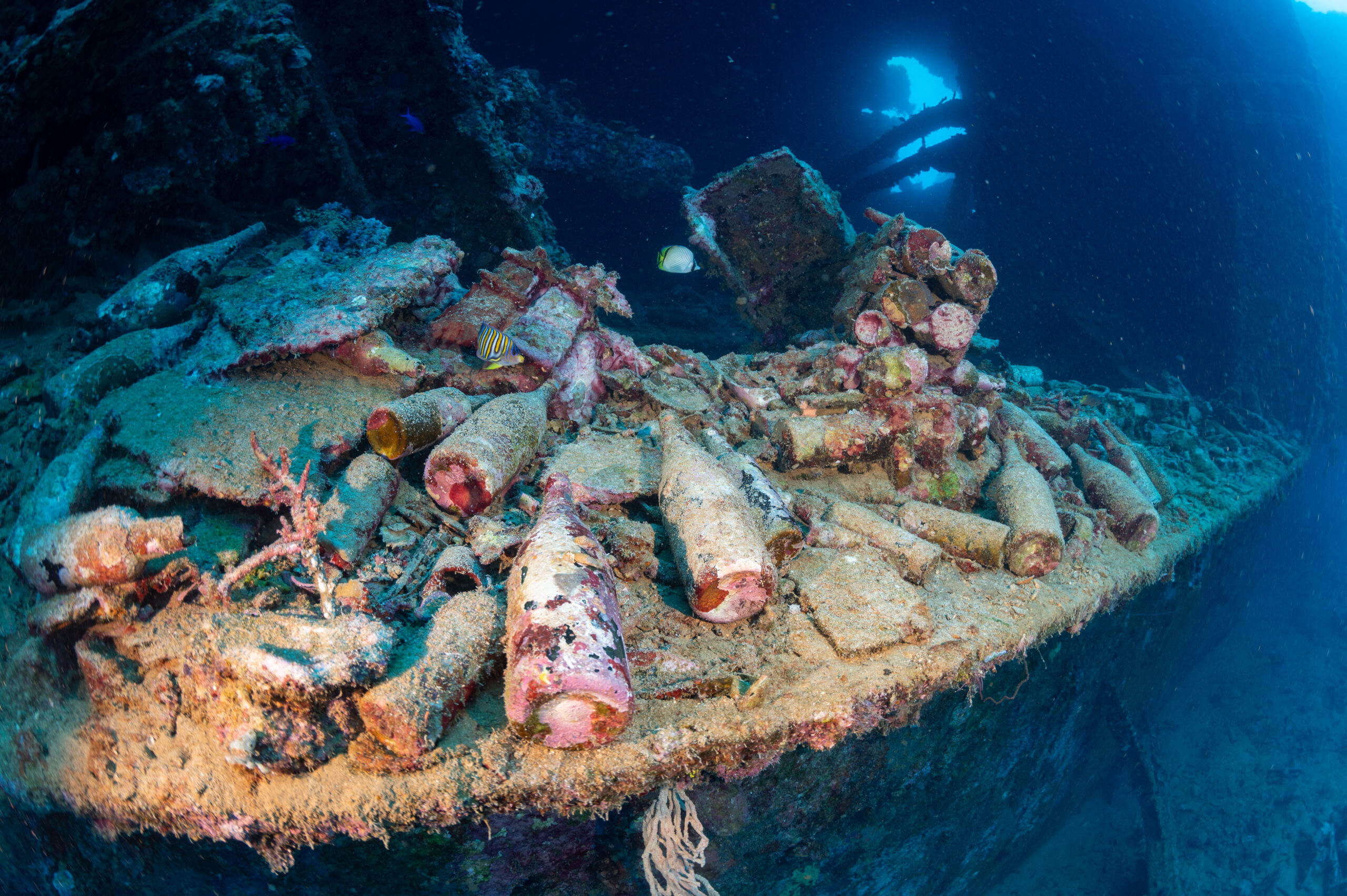
Tao Maru Wreck

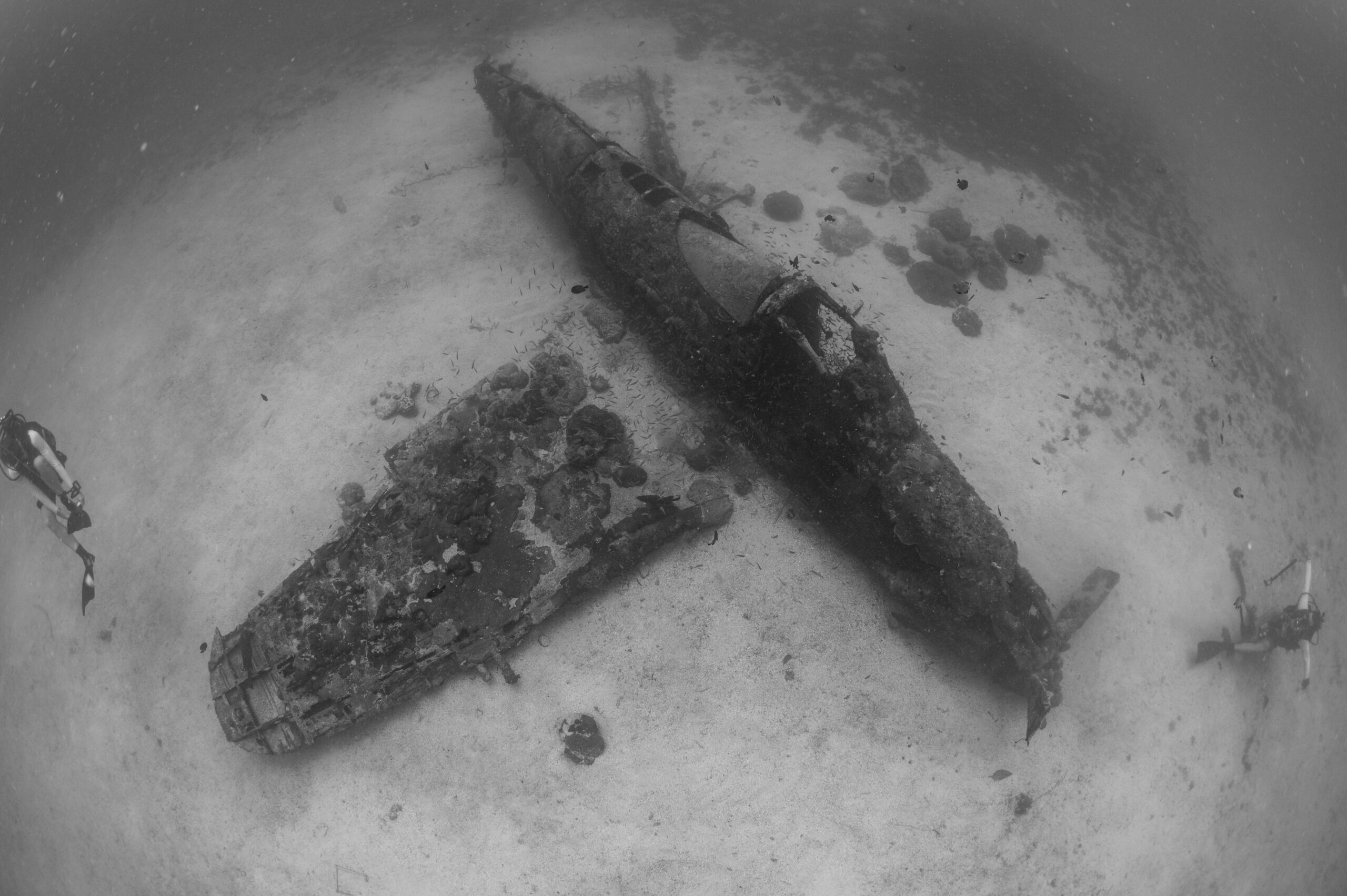
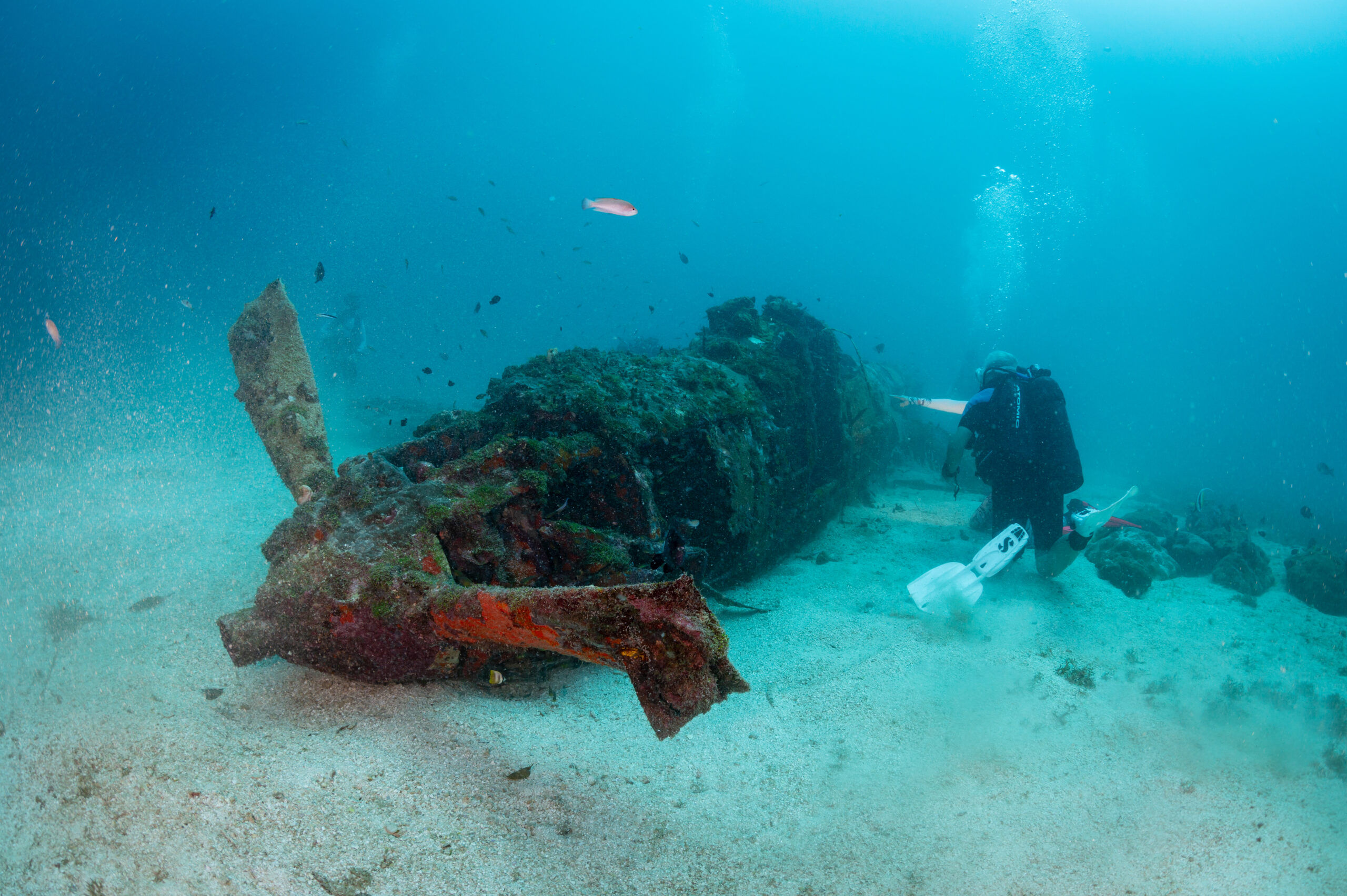
One of the most infamous battles of WW2 between the allies, primarily the United States, and Japan took place at Guadalcanal in the waters famously called “Iron bottom Sound”. This name refers to the huge numbers of aircraft and ships lost during the battles in this stretch of water. Reportedly some 111 shipwrecks and 1,450 airplanes are at the bottom of this sound. One striking statistic is that many of the wrecks along the shore are Japanese vessels. This was because at the time the Japanese were under considerable pressure from the allies with much disruption to their supply lines and army presence. To preserve life and as many of their supplies as possible, should a ship be hit and at risk of sinking, the Japanese sailors would literally drive their ship aground to salvage what they could.


The many wrecks in this area and other locations around the islands provide rich pickings as far as interesting dive sights today.

Photo by Rodolphe Holler

Beyond the “man made’ dive sites, the Solomons offer rich and beautiful coral dive spots populated with a multitude of reef fish and other creatures. These all look very healthy and are thriving.

Sadly however, there is a notable lack of larger pelagic fish in this area. Misguided economic policies have allowed large commercial factory fishing vessels to operate along the near coastal areas of the Solomons that are wiping out large populations of the larger fish stock either by design or through the inevitable destructive and indiscriminate “by catch” that is associated with the use of miles of large nets.

The other devasting destruction the Solomon Islands have experienced in the past was the logging of huge areas of the old forests. This commercial activity left large areas of unvegetated ground that was then eroded by the regular tropical downpours of rain this area experiences. The knock on effect of this led to soil run off into the surrounding waters that stifled and killed off coral reefs.

Thankfully this activity has now stopped, the vegetation is recovering rapidly and notable improvement to once devastated coral reefs is being observed in a relatively short time period.

Computers and iPads

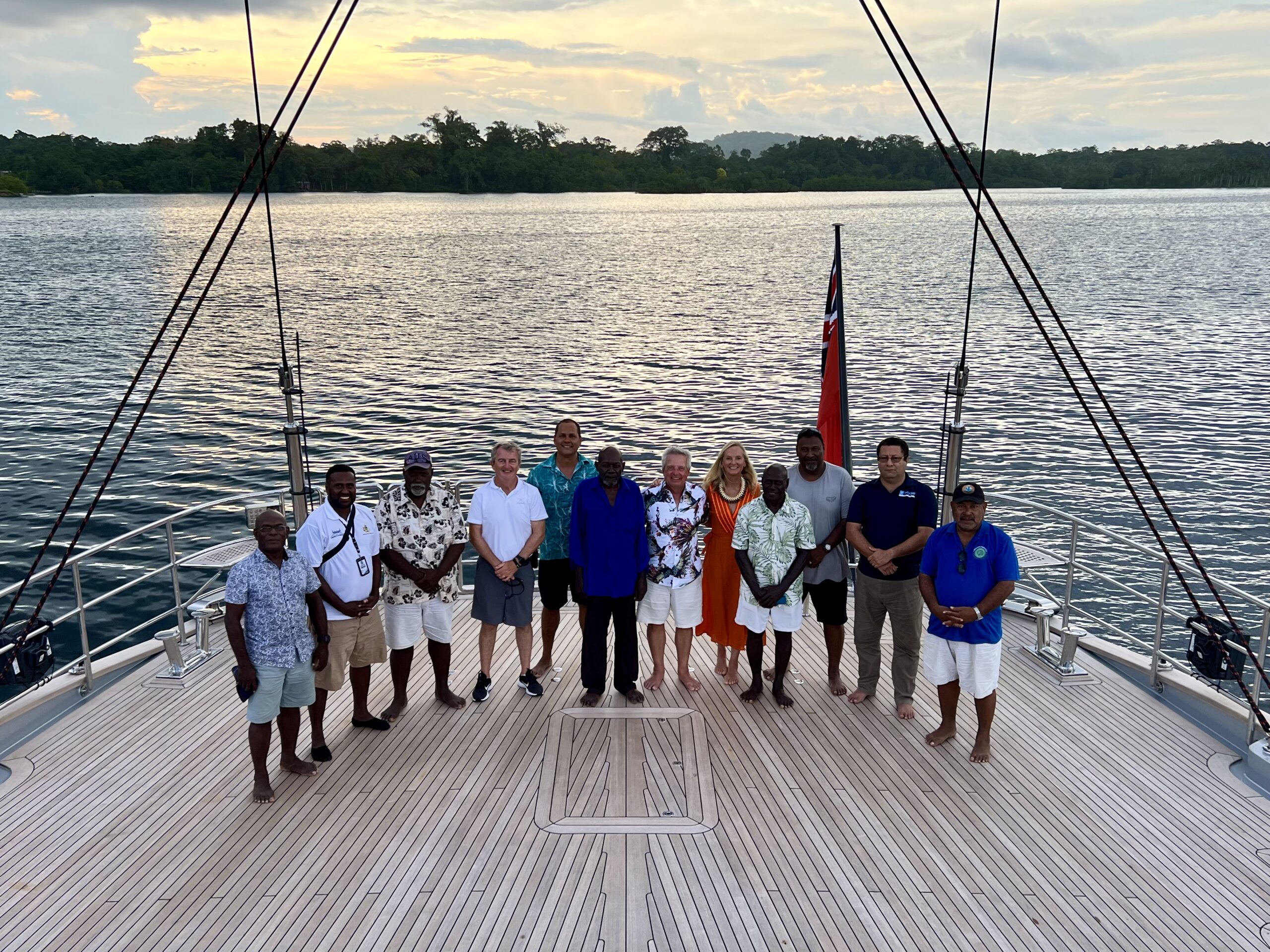
During our stay, Seahawk partnered up with local conservationists to help lobby to establish an MPA ( Marine Protection Area) in the Munda province. A meeting was held onboard Seahawk with local politicians and key community leaders to discuss and agree a Memorandum of Agreement to establish an MPA.

The Munda MPA area is a beautiful area that needs protection from indiscriminate fishing. The hope is to show the importance of conservation and how marine life will thrive if protected. The meeting onboard was regarded as a great success with the community leaders and politicians present agreeing to and signing the Memorandum of Agreement to establish the MPA.

Photo by Rodolphe Holler

Touristically, the Solomon Islands are relatively untouched but one of the islands greatest assets is their marine life and environment. Protect this and they will protect a sustainable source of economic activity that will be good for both the islands ecosystem and their population if managed well.

Mass overfishing and deforestation is not sustainable but sadly the politicians of the islands have gone down this route in the past and continue to do so. By helping to try and establish an MPA we hope to have helped move the needle just a little in the right direction and maybe, just maybe, helped shift political thinking into a more sustainable and brighter future for the islands.

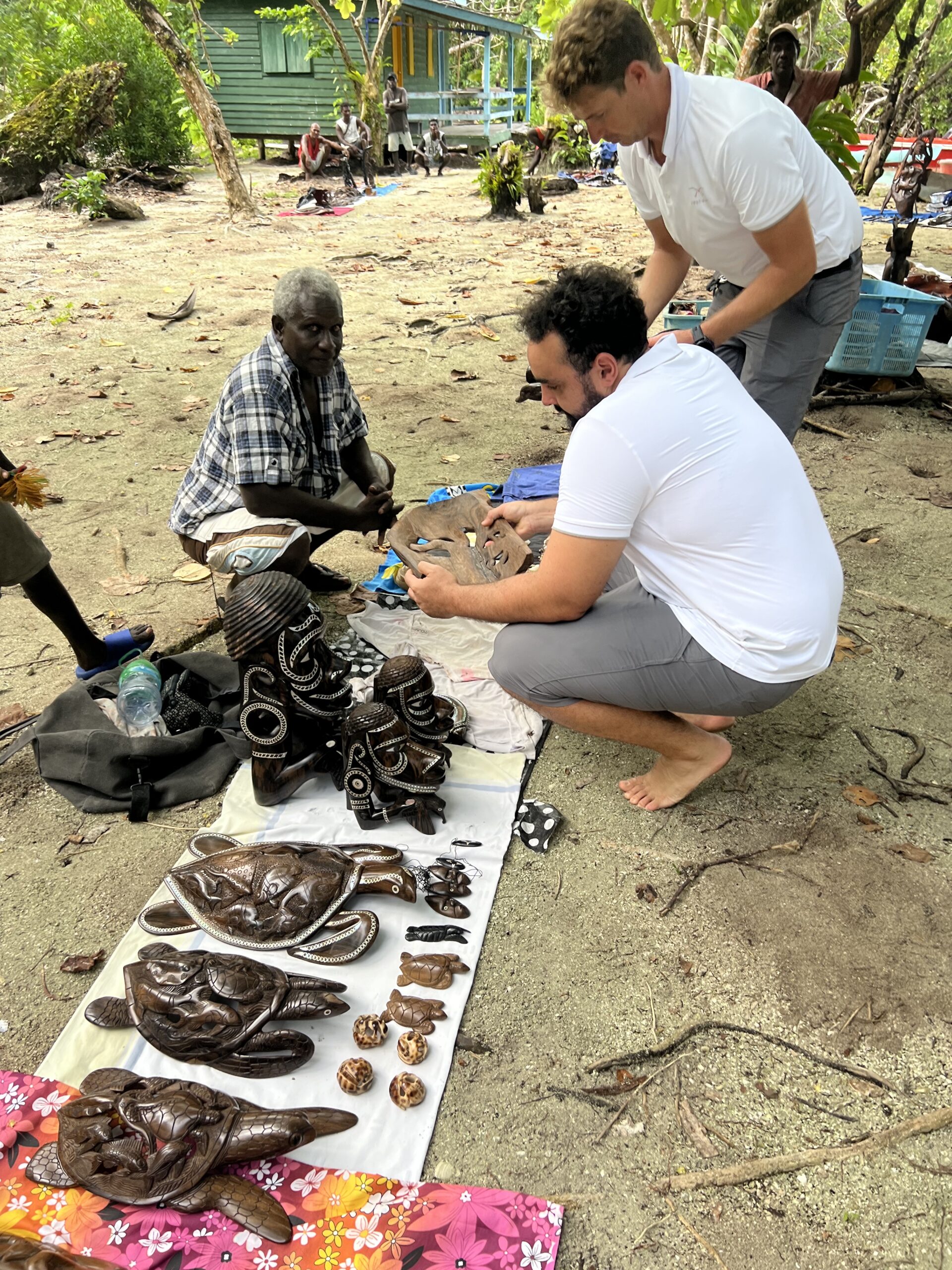
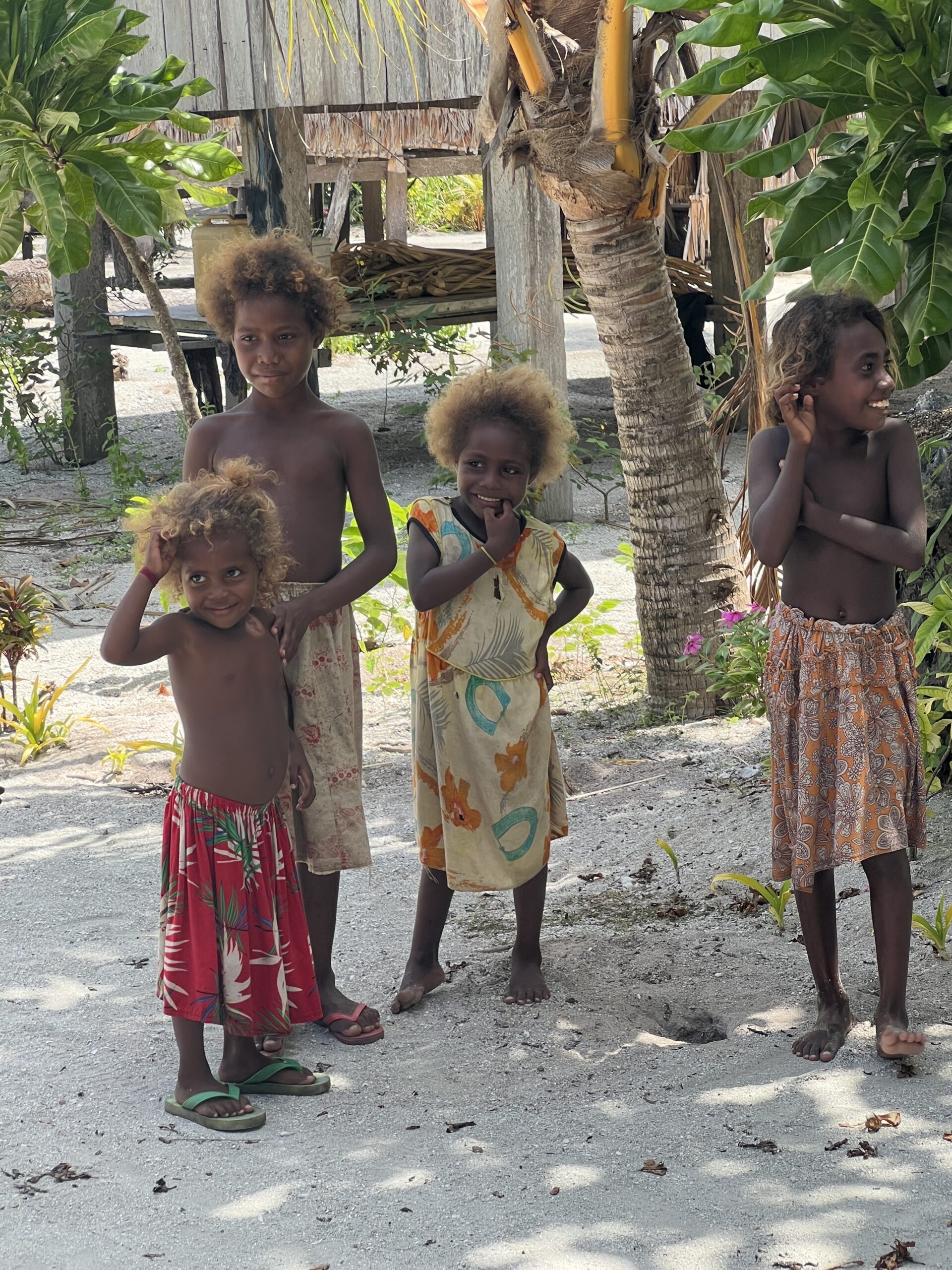
One insight I took away from these beautiful islands is that a large percentage of the local population live in small, disconnected villages on the numerous islands in the Solomons. We were fortunate enough to visit and interact with the local people in various villages. Among their numbers were many skilled artisans who produced amazing wood carvings of local culture and marine life. All onboard Seahawk came away with stunning souvenirs of their visit to these wonderful islands.


I felt that although the villagers led a life of simple subsistence living, they all seemed happy, content and living at one with their environment. Although their lives are physically hard in comparison to so many of us they already seem to have what many of us aspire to have that is sometimes missing from our, arguably, over complicated lives.


Written by: Guy Hayward

New Caledonia – Cruising Around Noumea

New Caledonia – Cruising Around Noumea

Seahawk left New Zealand in August 2023 after finishing the 10-month refit it went under in Auckland. It was exciting to say goodbye to the city and re-start our navigation program. It had been waiting for way too long!

Our first stop was Noumea, New Caledonia. Home to the second-largest reef system in the world after the Great Barrier Reef, New Caledonia is renowned for its rich biodiversity of fish and coral structures, and it hosts some of the healthiest reefs in the world.

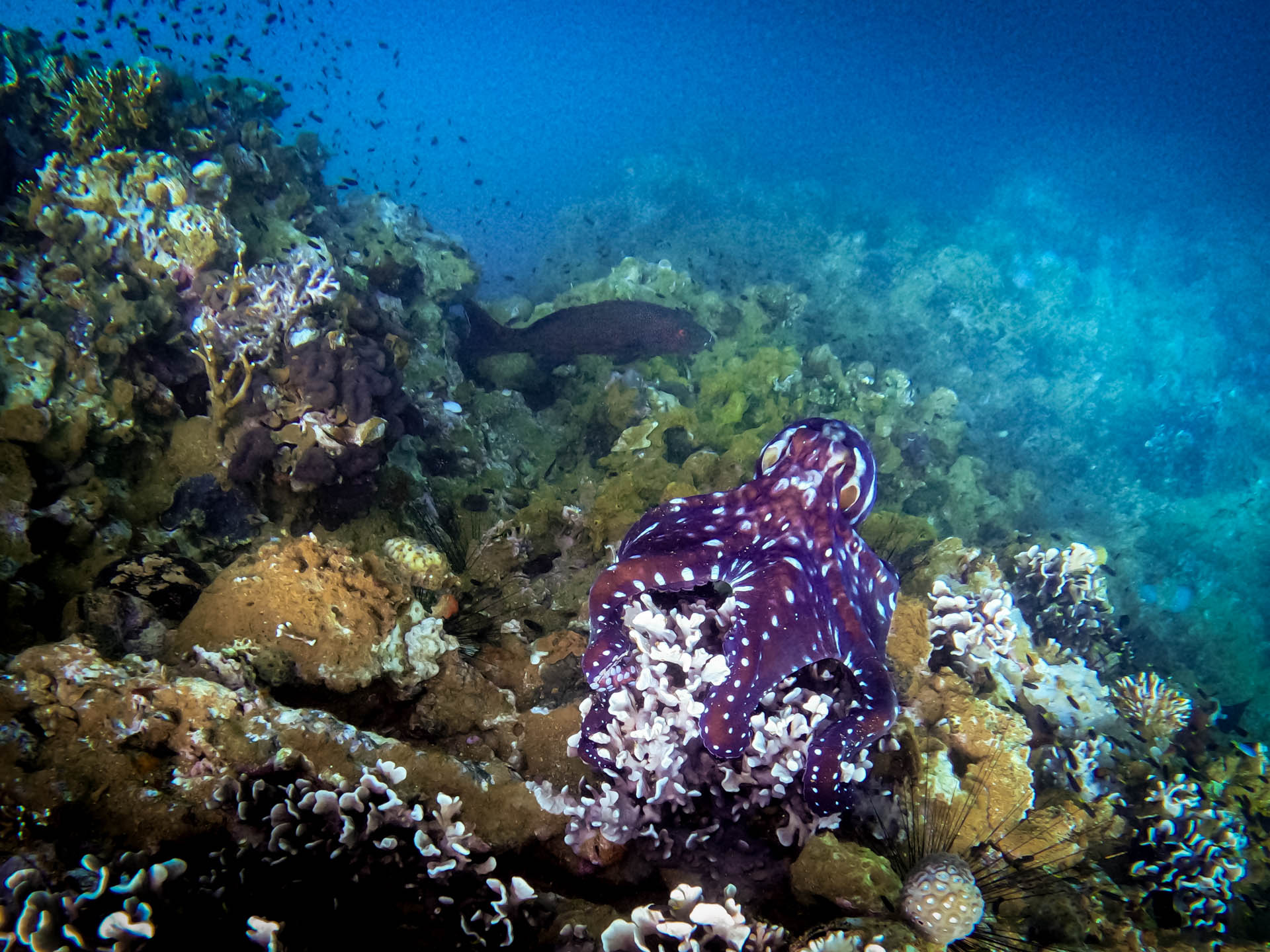
An Octopus on top of Prony Pinnacle in New Caledonia's Prony Bay

The first trip of the year would take around two months and it would be a circumnavigation of the country, in search of pristine coral reefs and new landscapes. Seahawk was also going to take part in a new science mission organised by YachtAid Global to support researchers in their study of migration patterns of manta rays and leopard sharks in certain parts of New Caledonia. As the regional marine wildlife faces environmental threats from mining, commercial fishing and climate change, further research and conservation is necessary to protect this unique part of the world.

But as so many know, when it comes to boats, plans often change quickly and one must adapt to new circumstances. A combination of some mechanical, weather and personnel issues arose during our cruise, which required us to restrict our trip and head back to Auckland. This advanced our schedule for finishing some necessary warranty work before heading further north.

As described in the owner’s log:

High on the list of mechanical worries was the failure of the rescue tender’s crane system. The rescue tender, a Pascoe diesel craft, is heavy, hence the need for a fairly robust crane assembly. Further, the reef area where the science activity was to take place has very little protection and poor anchorages. While there is an improvisation that leverages the mizzen boom for Pascoe deployment, leadership determined that this system would not be sufficiently robust in the event of a worst-case combination of poor weather and some other kind of emergency that would demand the need to deploy expeditiously. I would note from experience captaining aircraft that often big problems/accidents result from a chain of events. It is rarely one thing. There is truism in flying I can paraphrase: “I would rather be on the ground wishing I had taken flight than in the air wishing I had remained on the ground”.

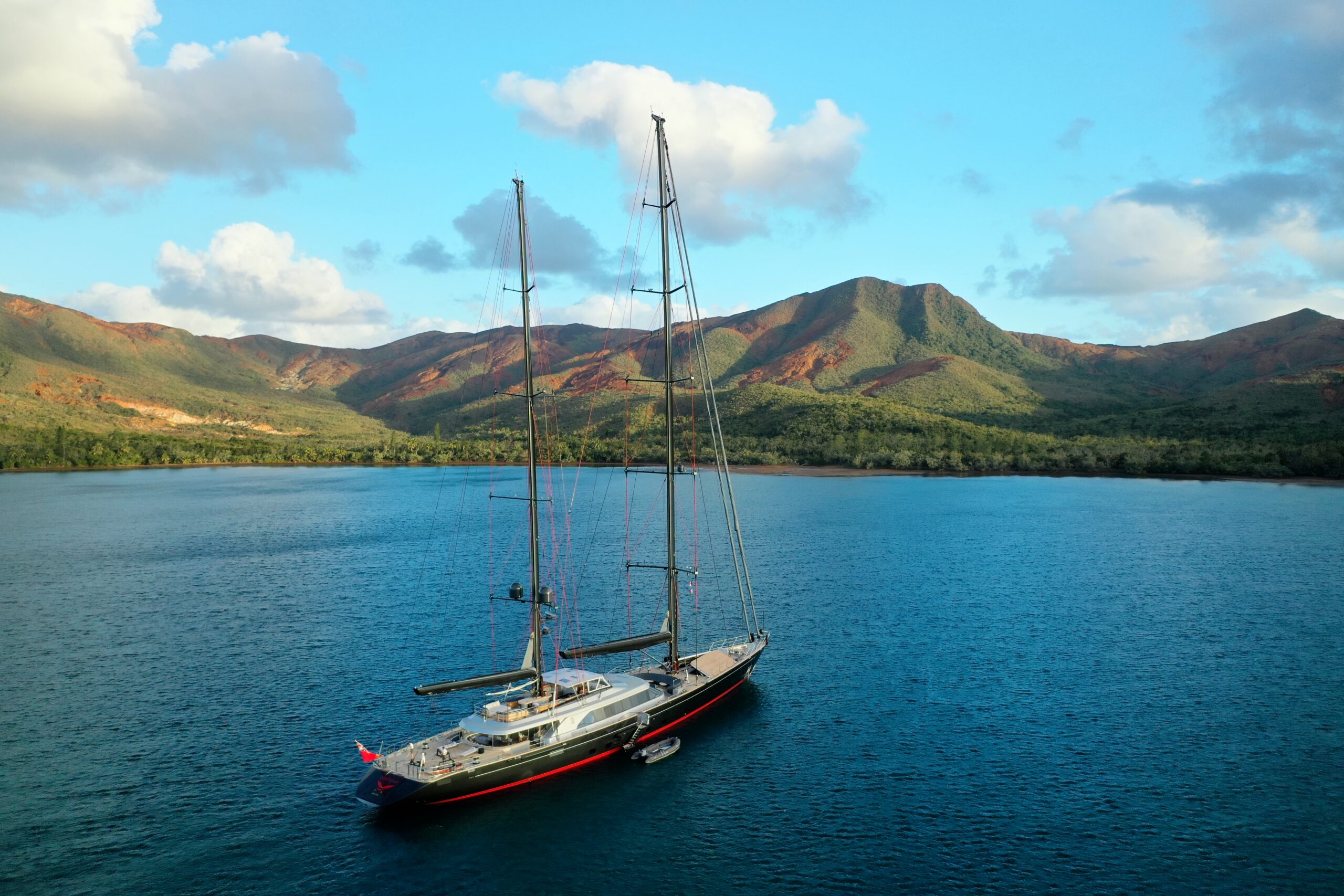
Seahawk in New Caledonia

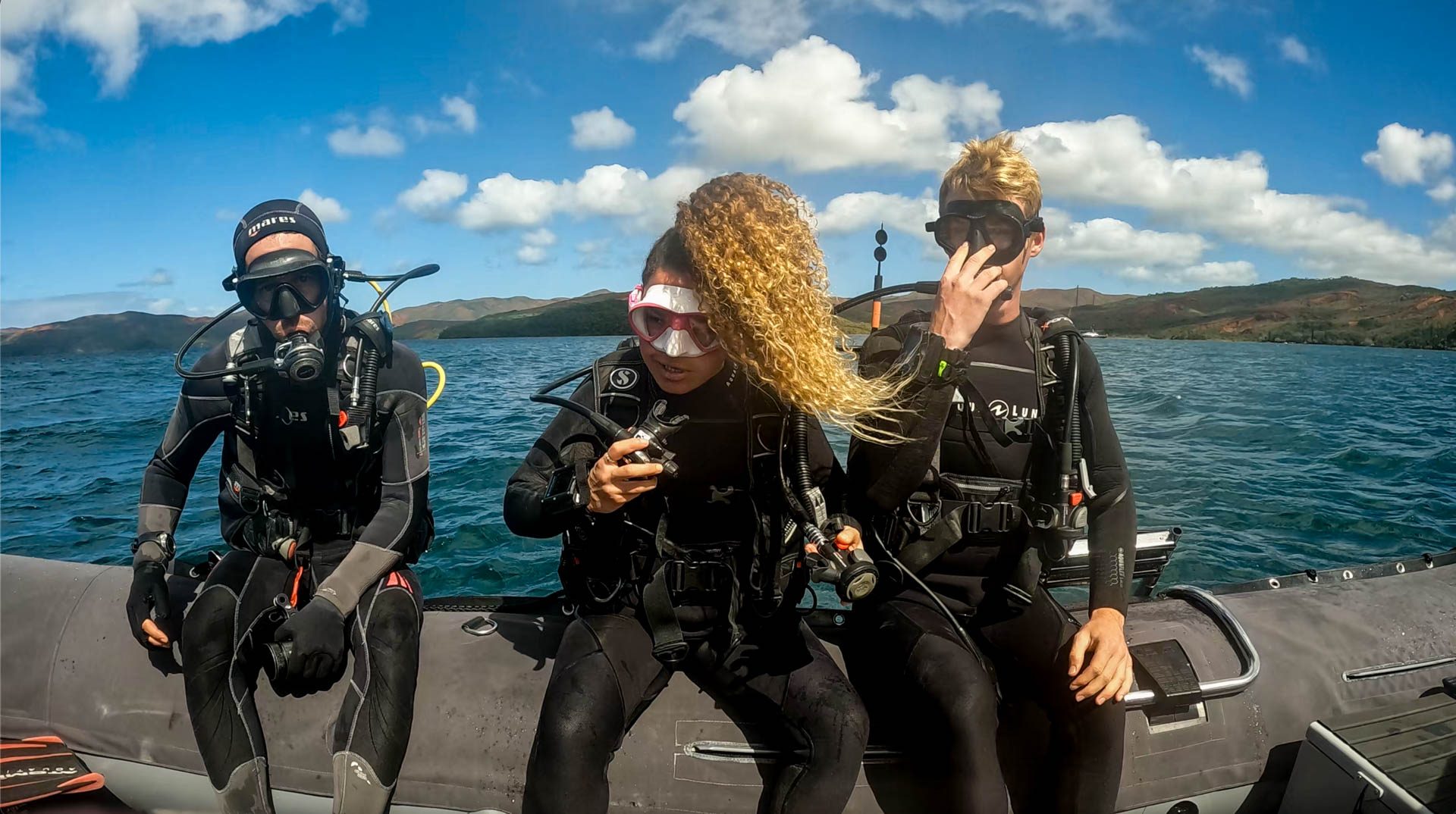
However, as short as our time in New Caledonia was, we had the opportunity to cruise for 10 days in the southern part of the region, during which we visited some beautiful dive sites and explored some of the land.

During our dives, we witnessed New Caledonia’s thriving marine ecosystem. Calling it “Green Turtle Paradise” would not be an exaggeration. Or maybe we got lucky with the amount of sightings of these animals. Sea snakes have also found a haven in many of the small islands we visited. Manta rays, humpback whales and even a dugong cruising in the bay of Anse Vata were also some of the exciting sightings, as well as the endless amount of fish and the explosion of colour in the coral systems we visited.

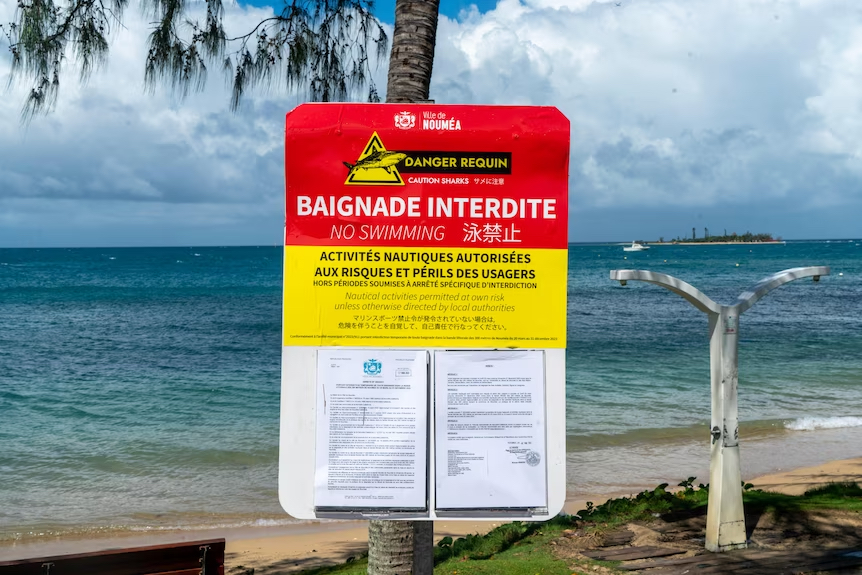
On the other hand, we found concerning the news regarding the shark culling that is ongoing in the country, a response to some attacks that occurred earlier in the year. As some of the targeted species (tiger sharks and bull sharks) remain vulnerable, such a controversial action raises a lot of questions about the future of these animals and the ecosystems in the region. Sharks play a vital role in the health of the marine environment, and culling campaigns haven’t shown to be an effective way of tackling the problem regarding shark attacks. As some environmental organisations have raised their concerns about this practice, it is hoped that a better solution will be brought to the table when it comes to this matter.

Noumea beaches were closed due to recent shark attacks

As for our little expedition, we experienced many diverse landscapes in a relatively small cruising area of the island. From the paradise that is Amédée Island to the dark red hills of Prony and the mangroves of Bouraké, we are still curious to see what the rest of the country looks like. Hopefully, we will be back someday and finish what we started.

For a taste of what Seahawk has been up to in New Caledonia, you can watch the latest video made by Kari Morgan, our dive instructor and videographer on board.
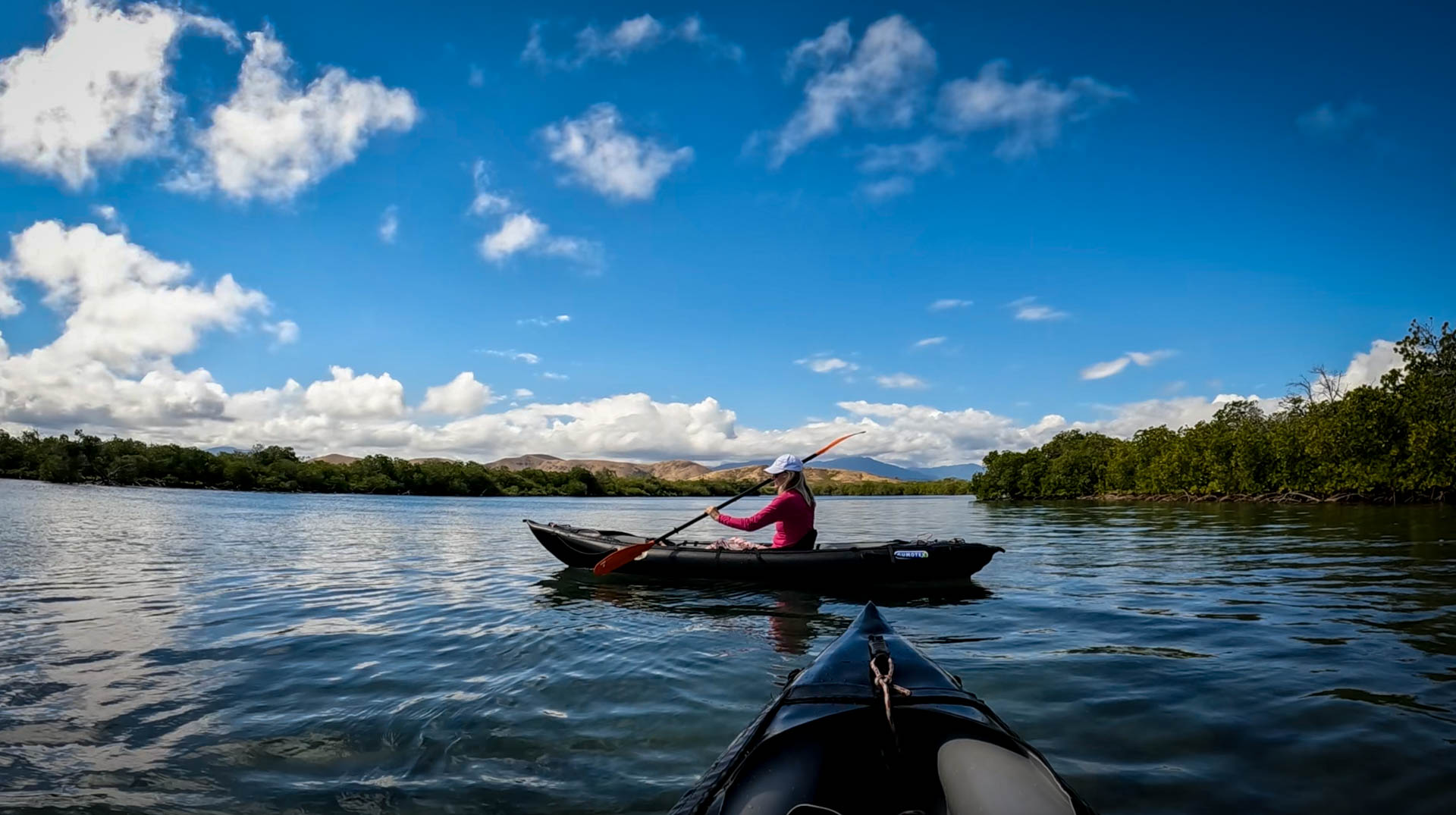
Kayaking in the mangroves in Bouraké Lagoon

References

Chahrazade Douah (2023, August 18th). Outcry in New Caledonia Over Shark Culls and Net Plans Despite Attacks [Article]. Retrieved from https://amp.theguardian.com/world/2023/aug/18/outcry-in-new-caledonia-over-shark-culls-and-net-plans-despite-attacks

Pew Charitable Trust(2021, June 4th). New Caledonia’s Marine Ecosystem, Among the Healthiest on Earth, Deserves Stronger Protection. [Article]. Retrieved from https://www.pewtrusts.org/en/research-and-analysis/articles/2021/06/01/new-caledonia-marine-ecosystem-among-the-healthiest-on-earth-deserves-stronger-protection

Unesco WHC (2018). Lagoons of New Caledonia: Reef Diversity and Associated Ecosystems. Retrieved from https://whc.unesco.org/en/list/1115/

Fiji, Part I – Cruising Yasawa, Vanua Levu, and Rabi

Fiji, Part I – Cruising Yasawa, Vanua Levu, and Rabi

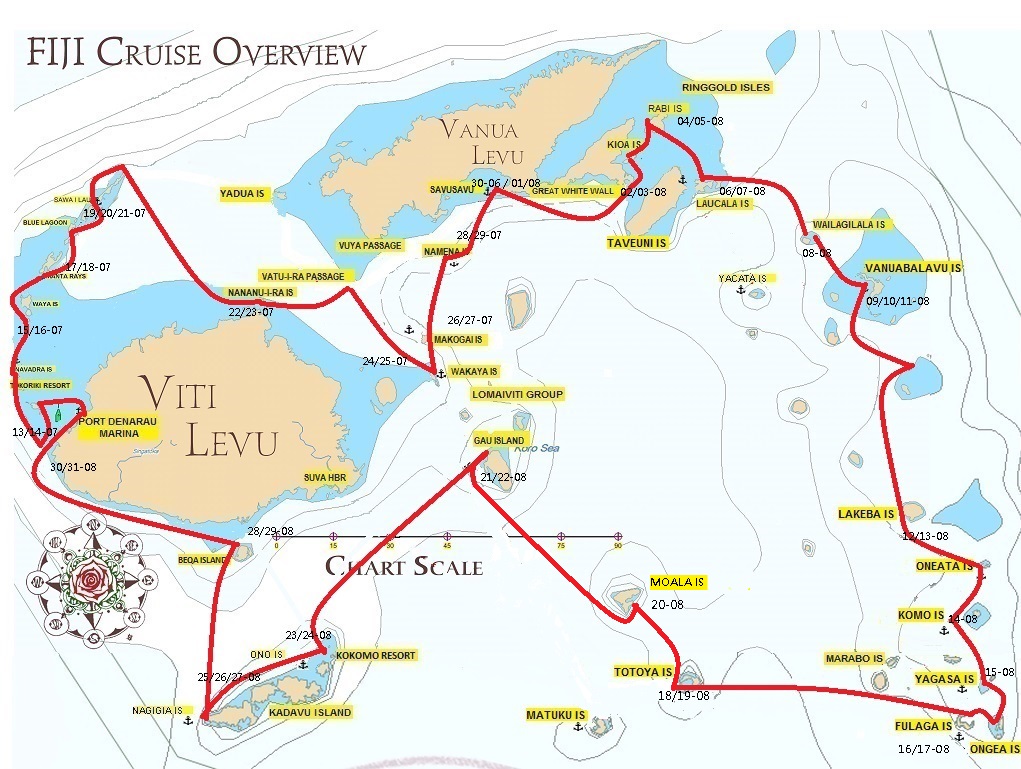
10 days after departing from Tahiti, Seahawk finally arrived in Viti Levu, Fiji’s biggest island and Seahawk’s base for the first 5 weeks in the country.

Port Denarau, located on the west side of the island and near the city of Nadi, is an oasis filled with resorts, shops, and restaurants for the tourists that visit, as well as the start line for those wishing to cruise further into some of the 300 islands that belong to Fiji.

It was here where Seahawk started her 7-week voyage around the archipelago. An expedition that showed us the many contrasts of a country that manages to hold on to its traditions and culture, while communities on the different islands of the vast archipelago take pride in their unique history and land.

To help navigate our journey we were joined by Valu Tamanivalu, an experienced local guide who has worked on yachts for many years. Valu started his career in the 80s as a dive instructor and has great knowledge of the best diving spots across the country. This made him the perfect fit for Seahawk. Valu was also our guide and mentor throughout our discovery of Fijian culture. His years of experience traveling the country, getting to know many of the villages and cultural idiosyncrasies made him the perfect liaison. Coming from Kadavu island, Valu is also the chief of his village, Nacamoto; our neighbor island village welcomes were to say the least very regal.

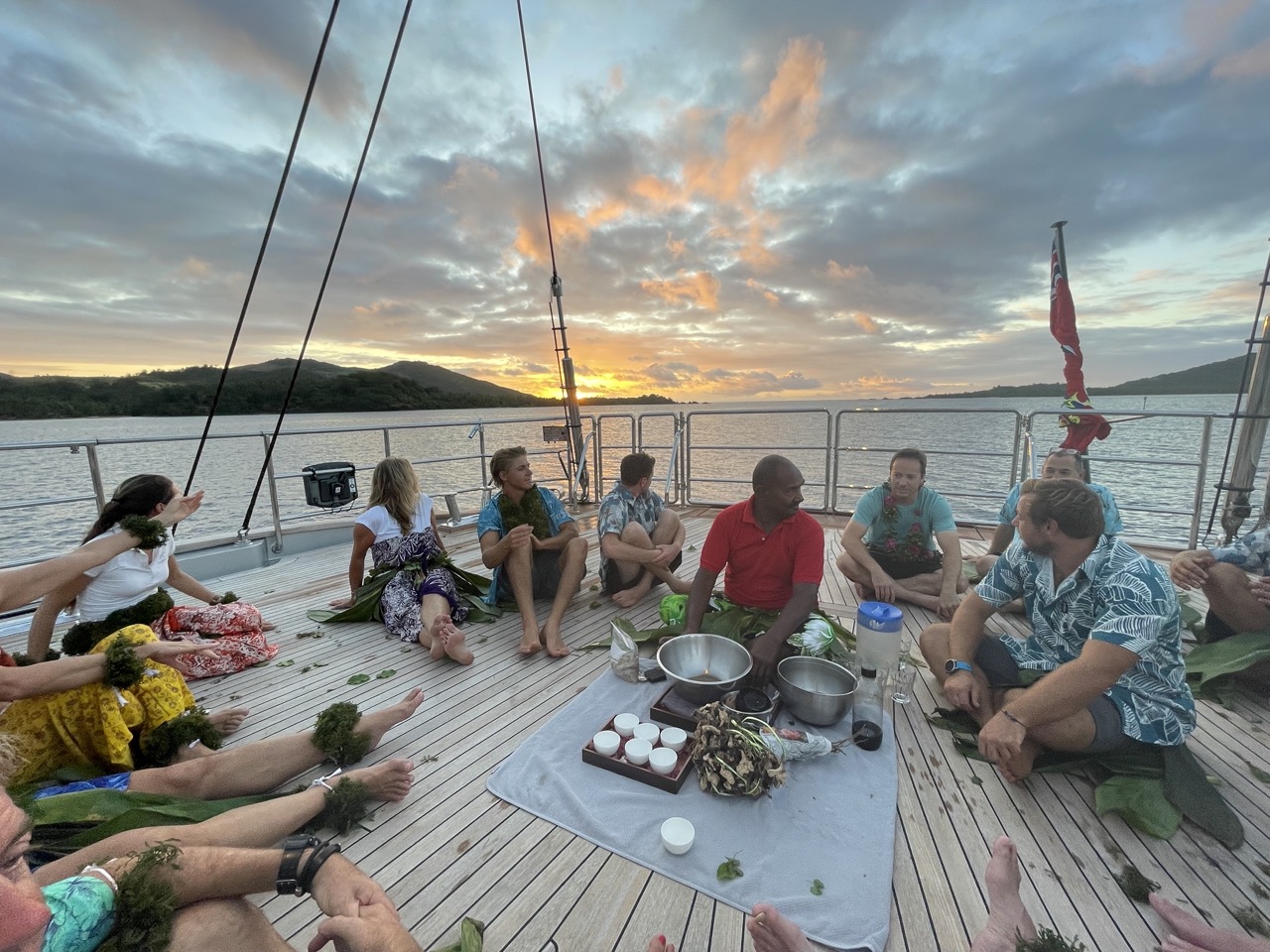
The first ten days of our trip were characterized by a relaxed cruising around the Yasawa and Mamanuca Islands, where guests on Seahawk enjoyed sightseeing, hiking and even tasting Kava for the first time. Kava is a traditional drink in Fiji made by using the crushed root of the Kava plant.

The drink is often shared during a kava ceremony; participants sit in a circle around the kava bowl (Tanoa) as the ceremony leader prepares the beverage and serves it one by one. Drinking Kava is not only a social ritual to bond with the community. Kava also gives the drinkers a mild sedative feeling, one that makes their mouths go numb and their thoughts slow down. Our first Kava ceremony was conducted by Valu on the boat, as he taught us all about this tradition and the meaning it has for Fijians.

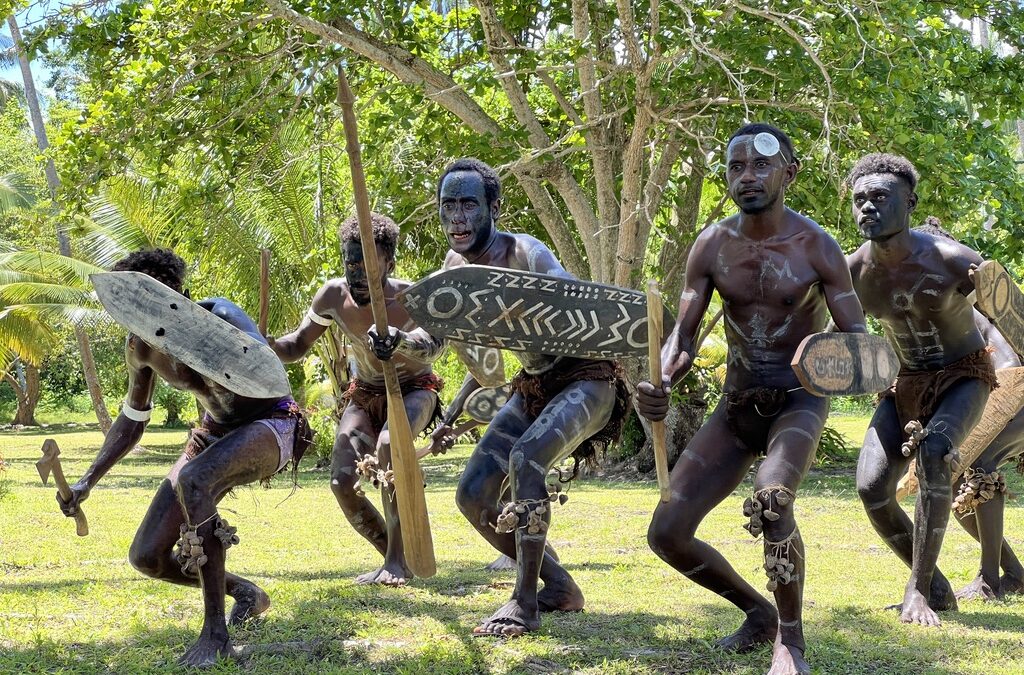
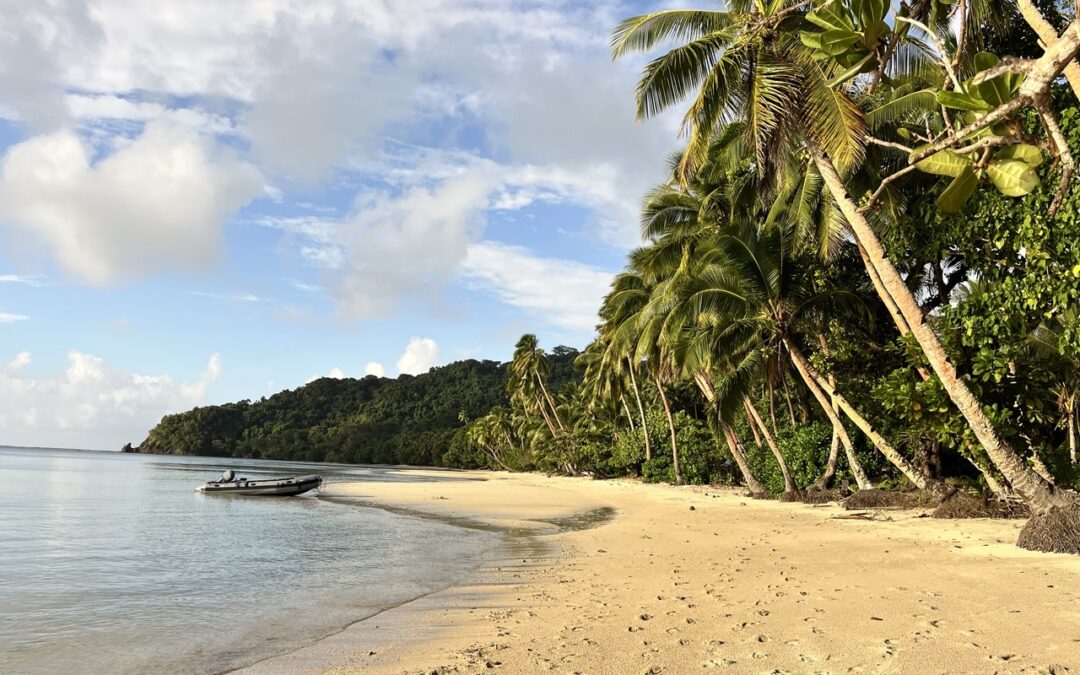
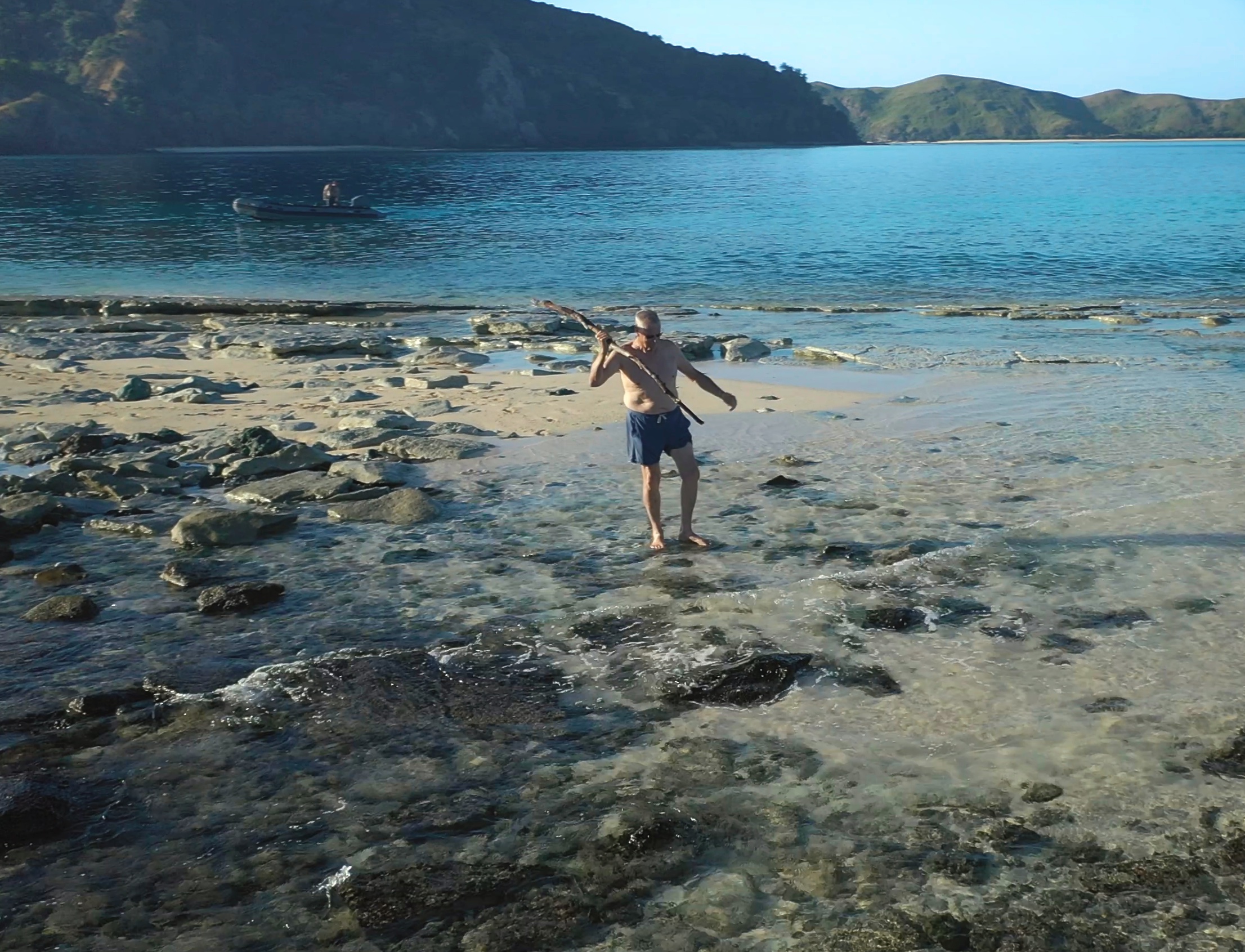
As we made our way through the central and southwest side of the archipelago, we encountered beautiful natural wonders, such as the Sawa-I-Lau caves in East Yasawa, or the white sandy beach on Monuriki island (A.K.A Castaway Island), where we attended a traditional dancing ceremony. Caught up in the moment, some of the guests acted out the famous Tom Hanks scene where his character, Chuck Noland, is trying to stab fish with a spear.

Moving north within the Fiji archipelago, we switched gear into action mode. Vanua Levu, Fiji’s second biggest island, offered stunning natural beauty with spectacular vistas, exotic flora, and even medicinal mud hot springs. It was in Savusavu, one of the larger towns on the island, where we met Sharon, an American expatriate who owns a guest house and also conducts personalized tours around the area. A knowledgeable naturalist guide, she taught us about the local flora and its medicinal properties, and also took us on a journey to find waterfalls and hot springs tucked away in the forest.

Sharon moved to Fiji some 20 years ago and raised her two sons there. They have grown up in the male-dominated environment that Fiji has, but with an extremely talented (and strong-willed) mother who has succeeded in developing a business and meshed into the community. Quite an achievement.

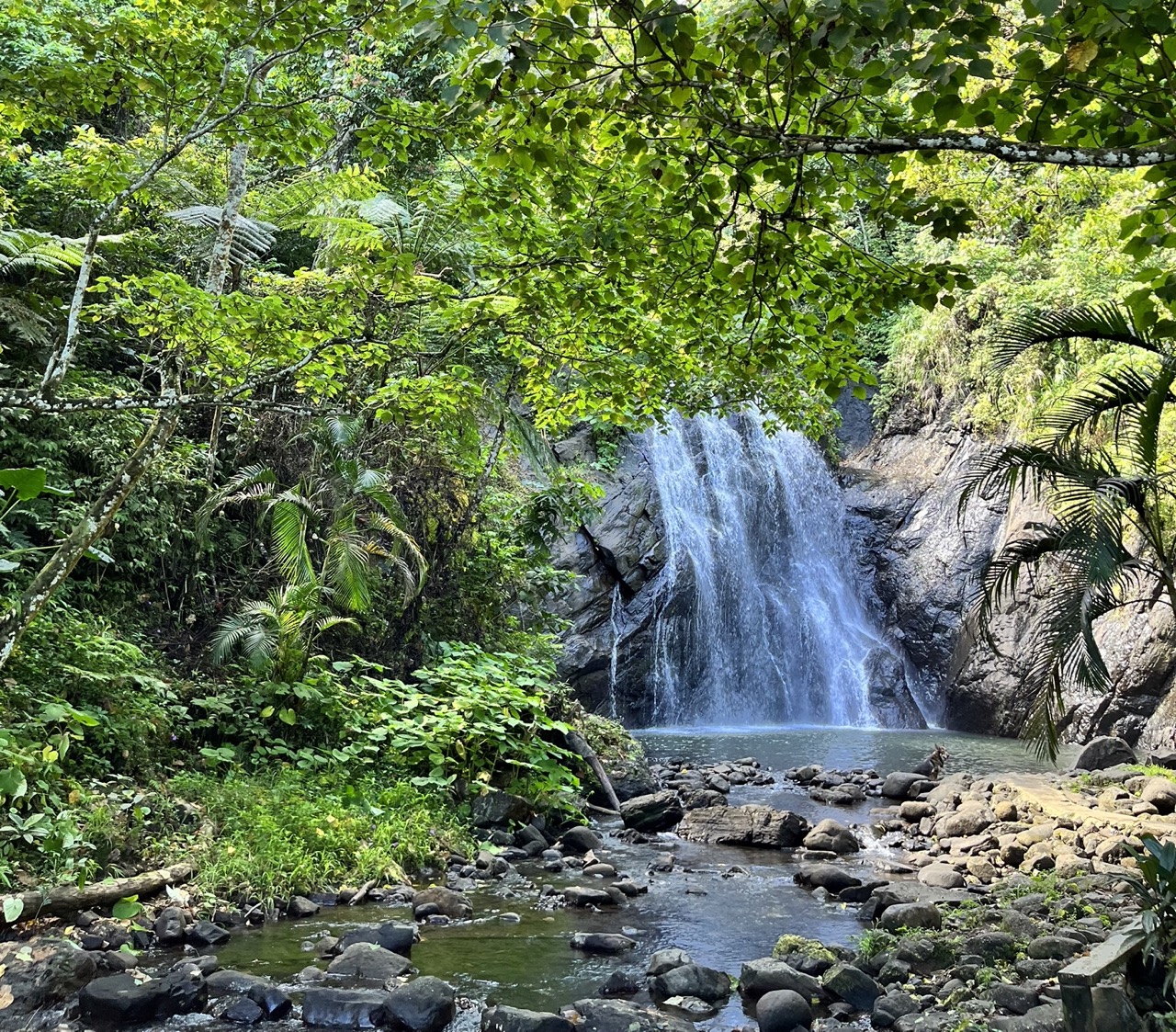
As Seahawk kept sailing east, the natural beauty of the islands was once again fully revealed. The island of Taveuni, notorious for being home to Fiji’s most spectacular waterfalls, was stunning. The owners and crew enjoyed a full day of exploration, trekking through the lush rainforest on the island, and eventually enjoying a delicious swim in the pristine lagoons located at the bottom of Taveuni falls.

Our last stop before venturing further east was in Rabi island, located north of Taveuni, where Seahawk’s owners switched roles and lead the crew on a discovery dive as part of their Divemaster training. With its amazing topography and abundant fish life, the dive site turned out to be a nice surprise. Hence, an impromptu additional day’s stay was added to the agenda. 

Rabi was a good opportunity for everyone to brush up on their diving skills, as we spent the days that followed focused on diving and exploring some of Fiji’s most magnificent dive sites within the Lau group of islands.

The next leg of the trip was to be focused on a new science mission, this time supporting scientists working to survey remote areas of the country for marine life while also installing a monitoring system to obtain data on sea temperature. The data collected from the monitor equipment ultimately feeds into computer models designed to help better understand ocean fluctuations and climate change.

Click here to keep reading about our expedition in the Lau islands and the Lau Seascape Initiative.

Mexico – Ensenada

Mexico – Ensenada

It was early in the morning when we arrived in Ensenada from the Galapagos islands. As we were approaching the dock, the thick fog on the bay made it impossible to see further than a few meters in front of the boat. The sounds of fishing boats honking and seals barking were all we could hear. But it was only once we were tied up on the dock that we noticed a mariachi band playing in the background, and so we knew that we were in Mexico.

Ensenada was never a part of Seahawk’s 7-year itinerary. After cruising Galapagos, the idea was to cross the Pacific and head to French Polynesia, the first stop on our South Pacific leg. But a last-minute issue made us change our plans.

The said issue came from the hydraulic system; during our previous trip in the Galapagos the keel actuator return hose broke, flooding important components of the vessel with seawater. 

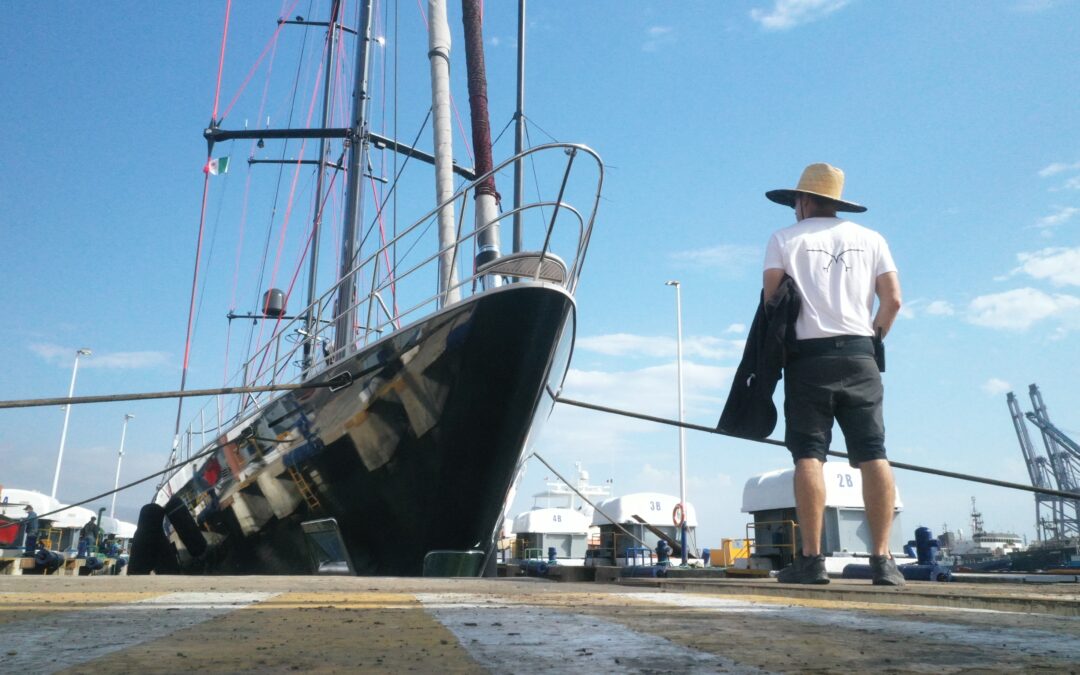
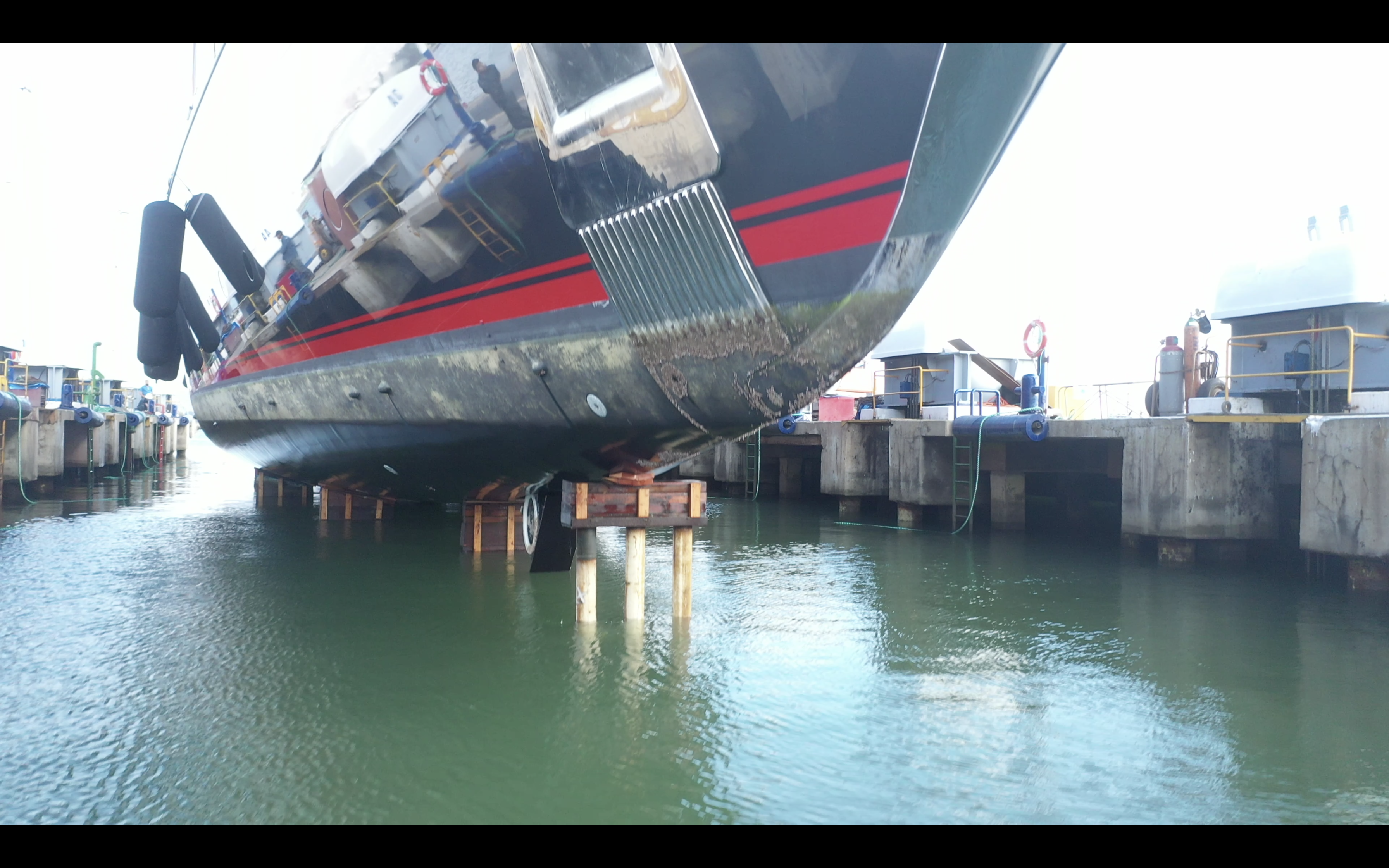
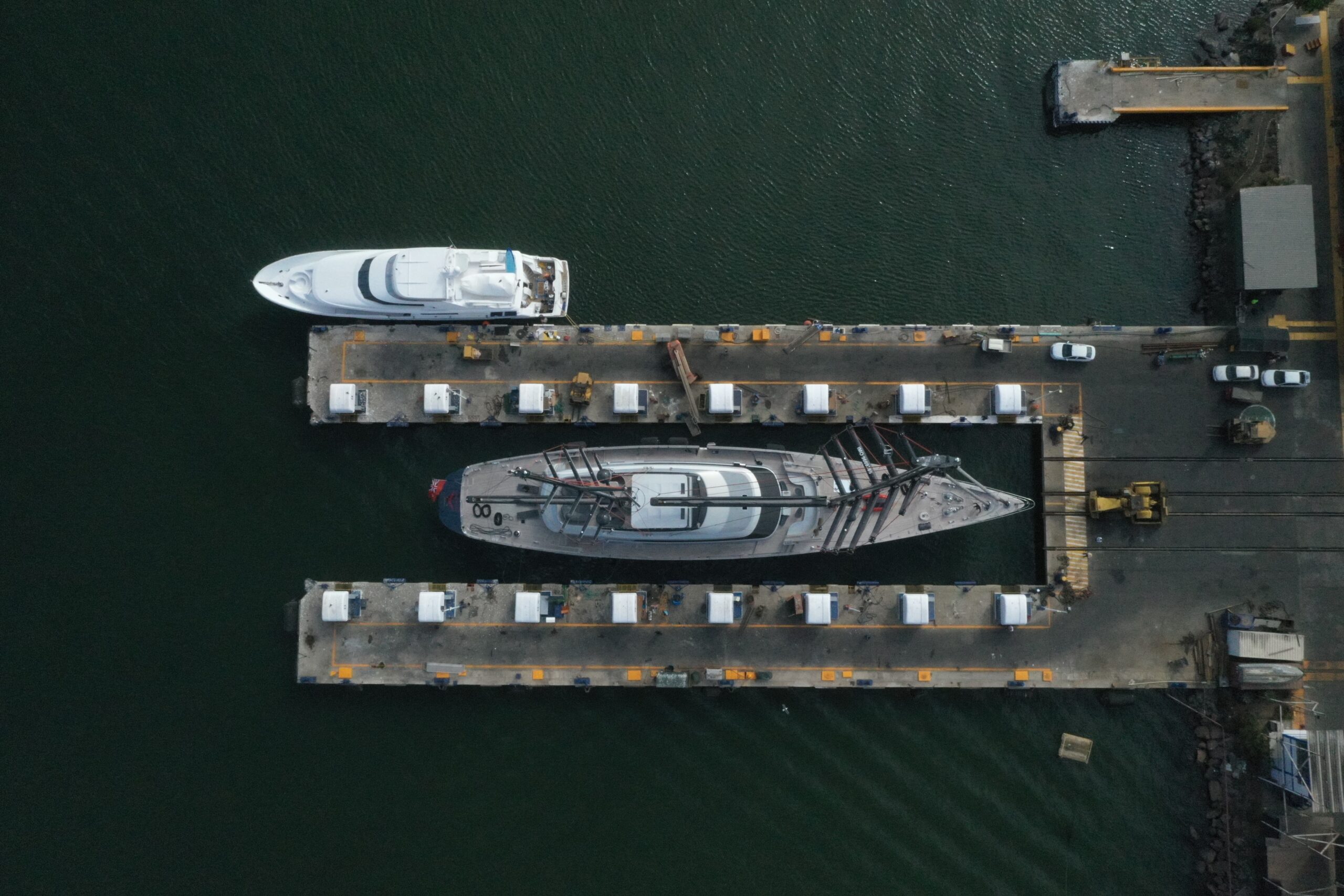
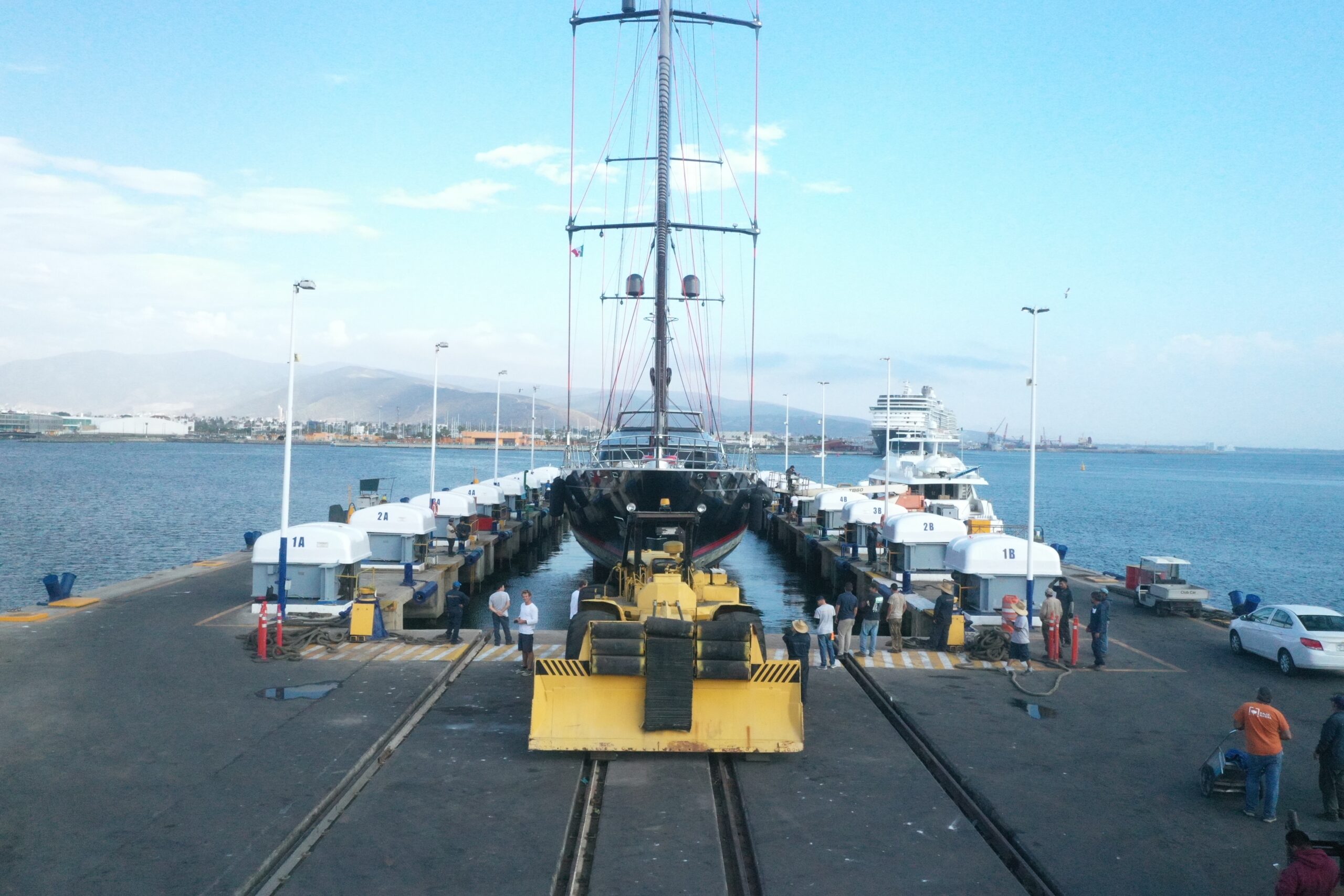
This breakage required us to remove the hydraulic ram that raises and lowers the 60-ton keel. It is surprisingly difficult to haul a large yacht out of the water on the west coast of the Americas, especially a large sailing yacht; removing the keel hydraulics requires the boat to be lifted higher than normal with access from below. There were also visa considerations with a number of our crew being South African nationals, and US visas were still unavailable due to embassy closures still in effect from the Covid-19 pandemic. This ruled out the USA and hence San Diego.

Gran Peninsula, the shipyard in Ensenada, northern Baja California, turned out to be the only yard in the region that could do the job. The yard used to be a government-owned facility for building big fishing boats. Presently, it is a private company, still working with fishing boats but wanting to make a name for itself in the yachting industry.

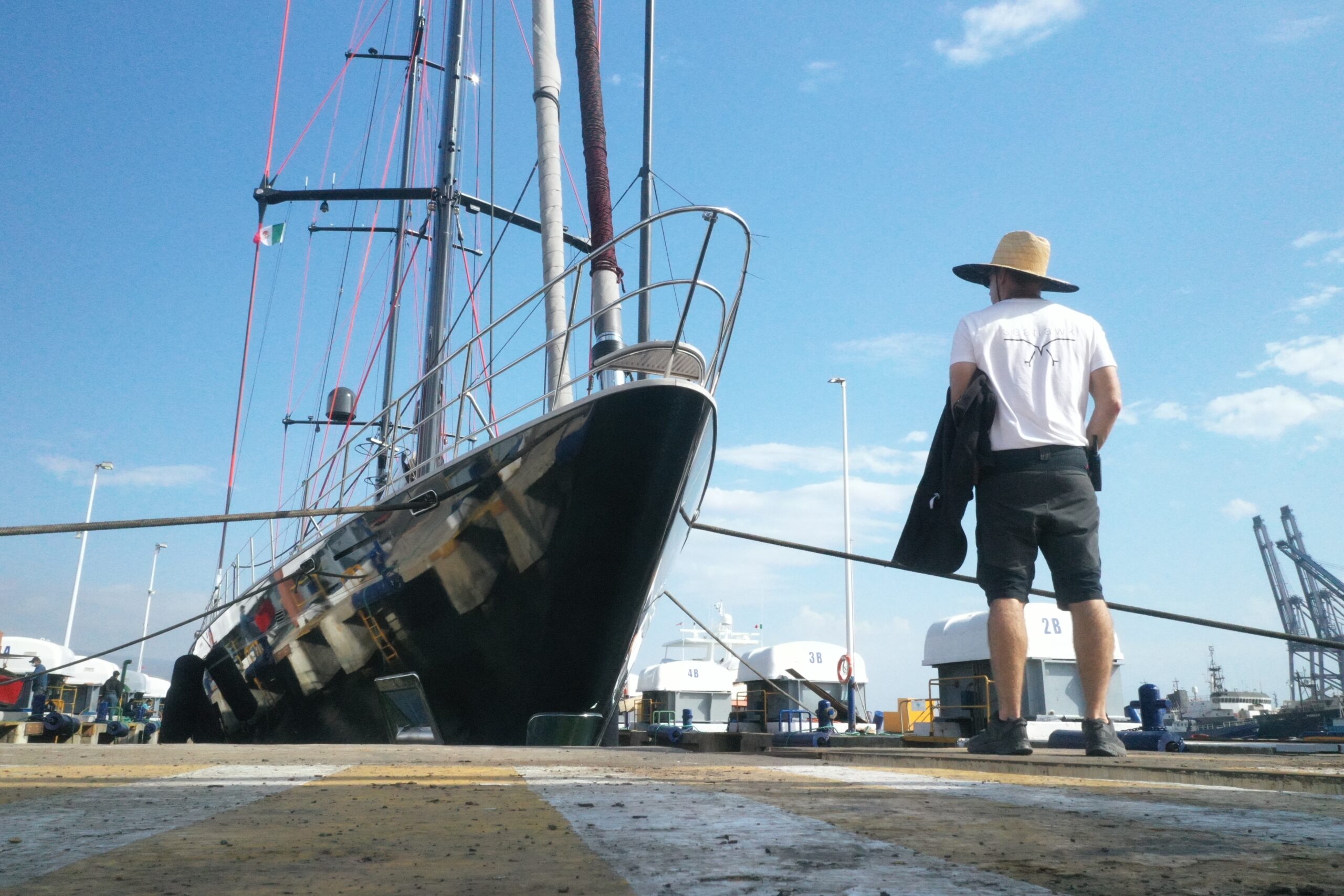
Tomás Fernandez, the shipyard manager, was very cooperative and felt that they could devise a way to cradle Seahawk at their facility. On arrival, everything was ready, and the synchro lift was prepared for us the next day, a process that went extremely smoothly. 

 As captain Steve points out;

 I will not forget the next day when I came down from the boat to find Tomas with his head inside our keel box… I greeted him with the usual “Good morning, How’s everything, OK?” questions… his answer: “No… It’s huge!!” remarking at the size of our keel hydraulic ram, which is hard to visualize until you see it! But his team embraced the challenge and made the necessary repairs (it is always tricky to remove these)

Seahawk remained in Ensenada for 3 months. What was initially thought to be an annoyance, turned out to be a great discovery.

The months spent in the shipyard were an opportunity to explore a city that wouldn’t ideally be the first choice for many visitors going to Mexico. But Ensenada has a lot to offer; the Guadalupe Valley, a wine region with exquisite wines, the vivid nightlife of the city, and the delicious Mexican food gave everyone a real taste of the country. 

Tomás not only made sure that Seahawk’s issues were being addressed, but he also served as an excellent host introducing owners, guests, and crew to the best places, including the family’s local brewery where the delicious “Agua Mala” beer is produced.

The yard period was a success;  largely due to a team effort that had the crew contributing local knowledge specific to the boat, and the yard providing excellent project management and competent/effective technical services. Although a fair amount of improvisation and creativity was needed, all repairs were carried out professionally and enthusiastically. Gran Peninsula is a yard facility definitely worth considering for projects in the region.

As for the boat’s itinerary, we missed our weather window to cross the Pacific, which forced us to come up with a new plan. Instead Seahawk set sail for the Sea of Cortez and the Revillagigedo archipelago, delaying the Pacific crossing until the end of the year.

We departed the shipyard at the end of November, soon to realize that the new itinerary was a very lucky accident. Much of the next month was spent exploring the east and west coasts of the southern Baja California peninsula. The stunning coast around La Paz, the whale encounters as we sailed the Sea of Cortez, and the wonderful dive sites where we spotted bull sharks, hammerheads, giant manta rays, and dolphins leave us with enduring memories from our time visiting this very special place. The Gulf of California and the Mexican Pacific are magnificent jewels.

The lesson learned? That there is a plan, until the plan changes. And that changing plans, sometimes, leads to new paths of discovery and revelation.

Watch a video of Seahawk getting hauled in Ensenada, made by Righardt, videographer and dive instructor on board.