Palau – January 2025
Please enjoy this video about Seahawk’s visit to Palau in January 2025
Children of Palau,
I take this pledge,
As your guest,
to preserve and protect,
Your beautiful and unique
island home.
I vow to tread lightly,
act kindly and
Explore mindfully.
I shall not take
What is not given.
I shall not harm
what does not harm me.
The only footprints
I shall leave are those
That will wash away.
The Palau Pledge is a mandatory, eco-initiative stamped into the passports of all visitors upon arrival, requiring a signed vow to protect the island’s environment and culture.These words encapsulate the beliefs and ideals guiding Palawan people.The Palawan people are deeply connected to nature, practicing animism and subsistence farming. Their culture emphasizes ingasig (compassion), communal living, and, for many, a nomadic lifestyle in mountainous areas.
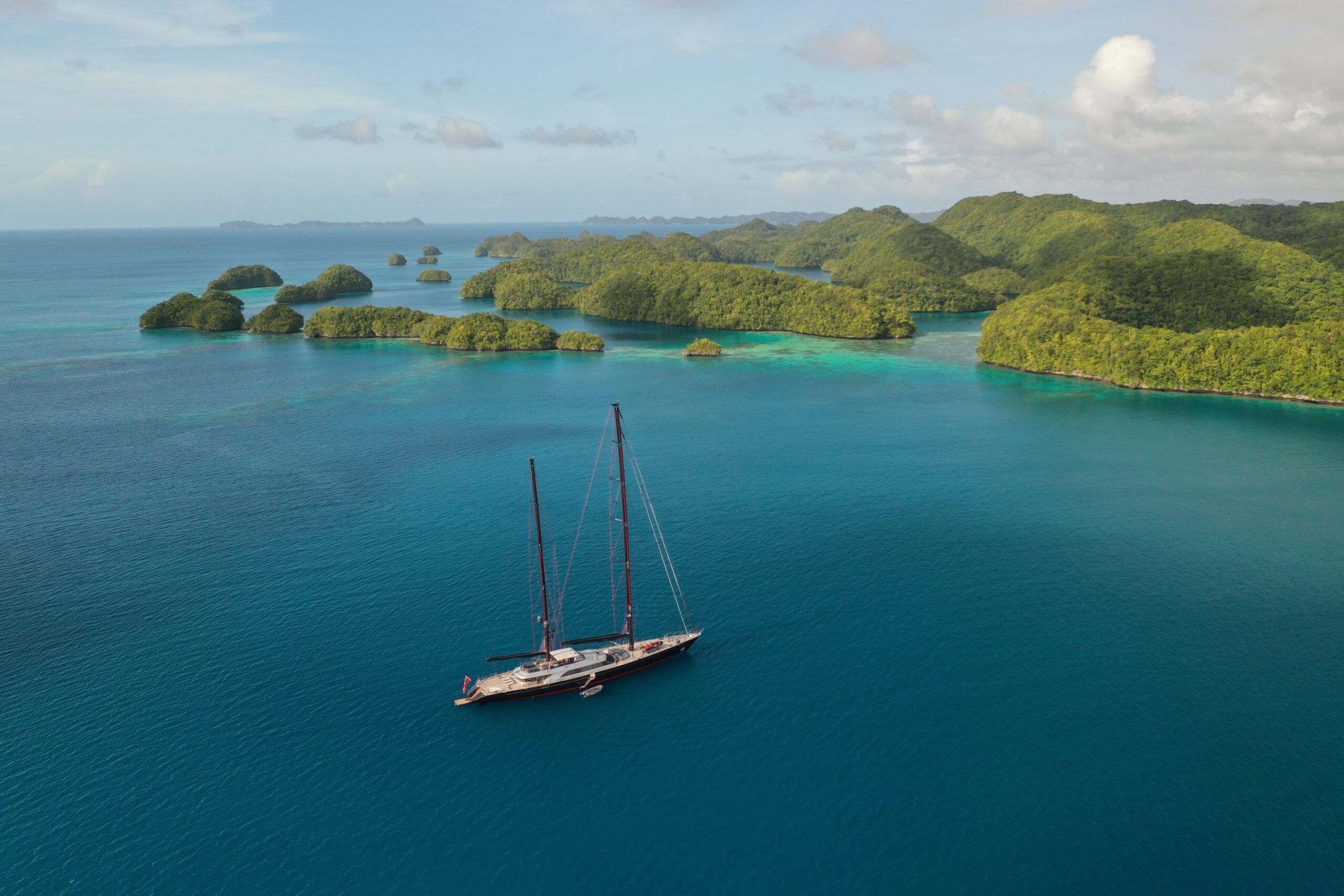
Seahawk arrived in Palau following a two day passage as the next destination following
her extensive cruise of Raja Ampat. The deep connection with nature and compassion
was immediately felt and experienced upon the first contact with the people of Palau
and in the cleanliness of their waters. The people of Palau care deeply for their
environment.
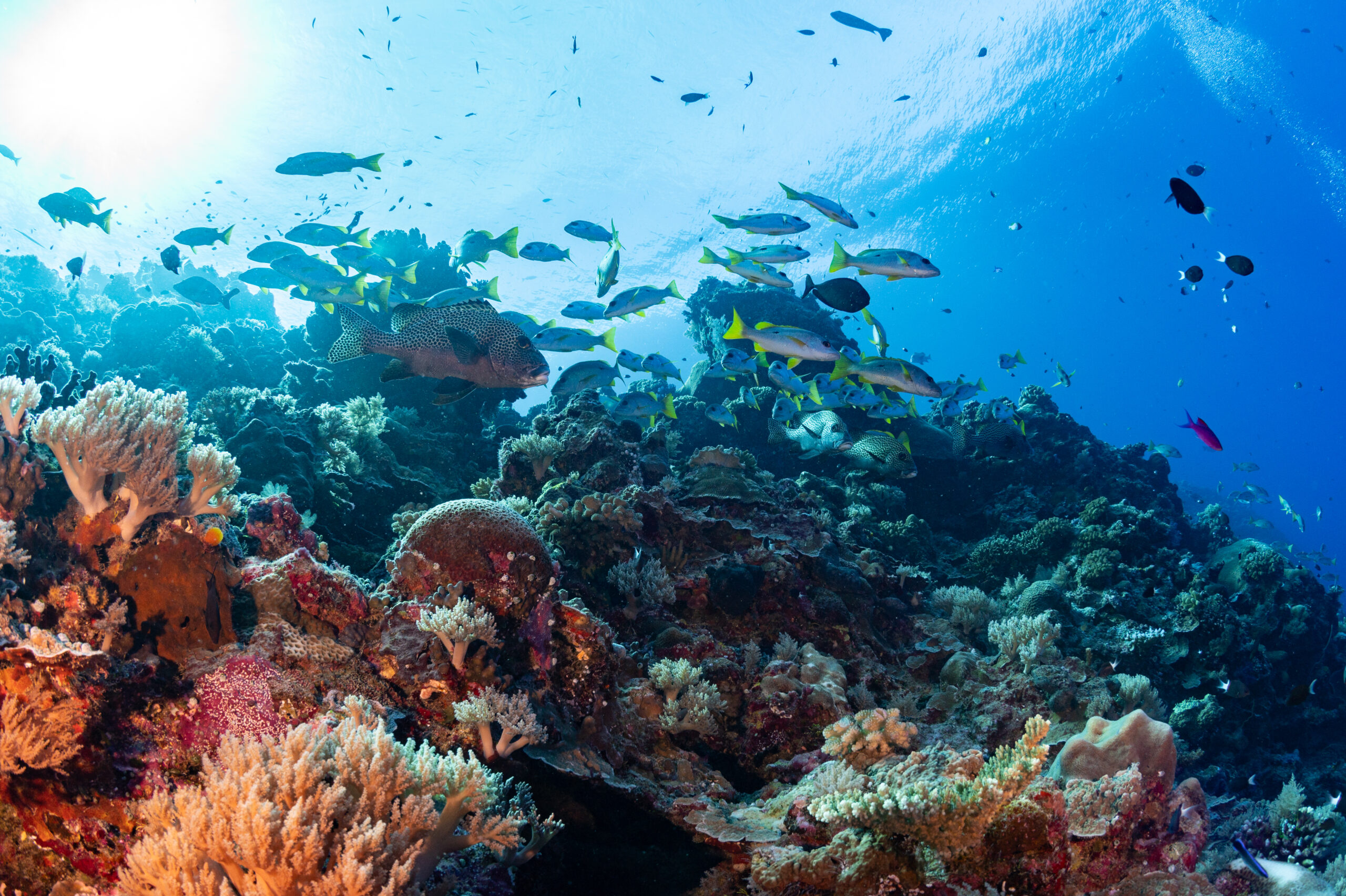
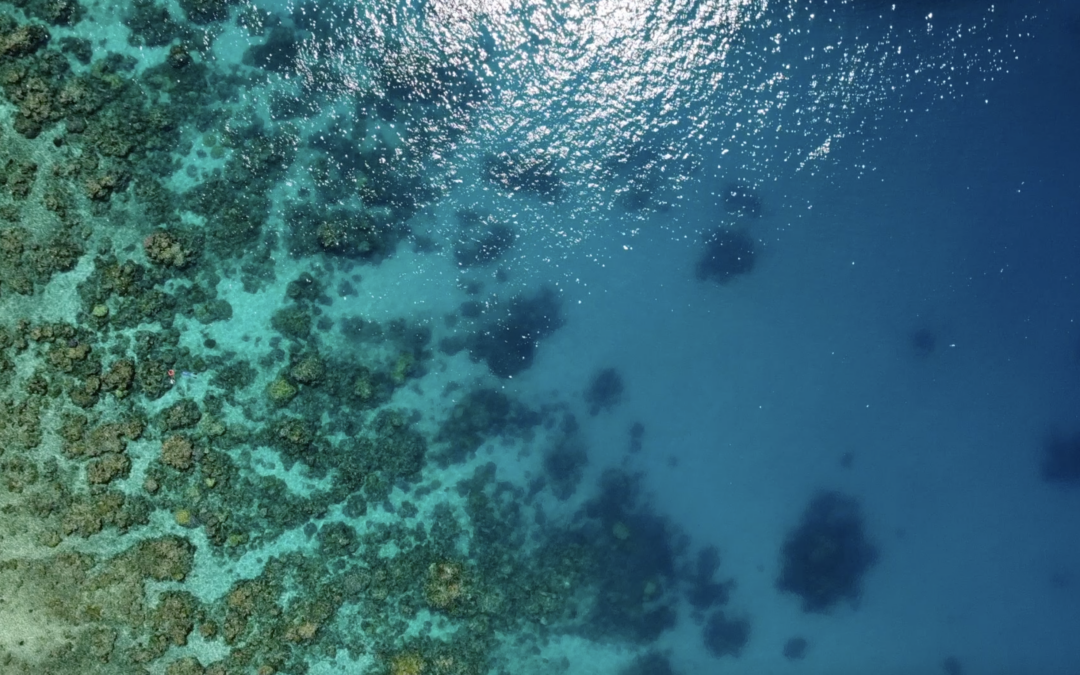
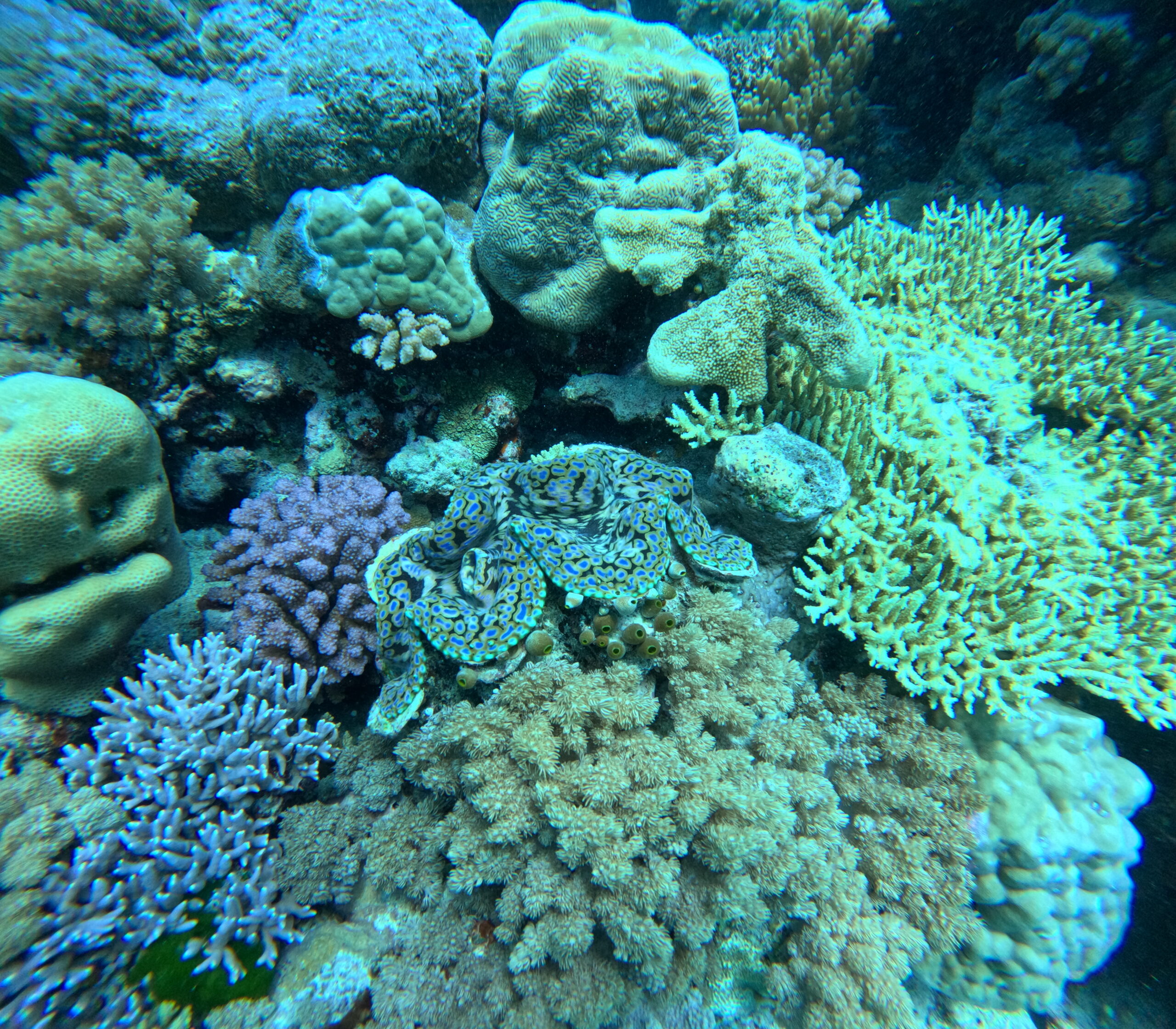
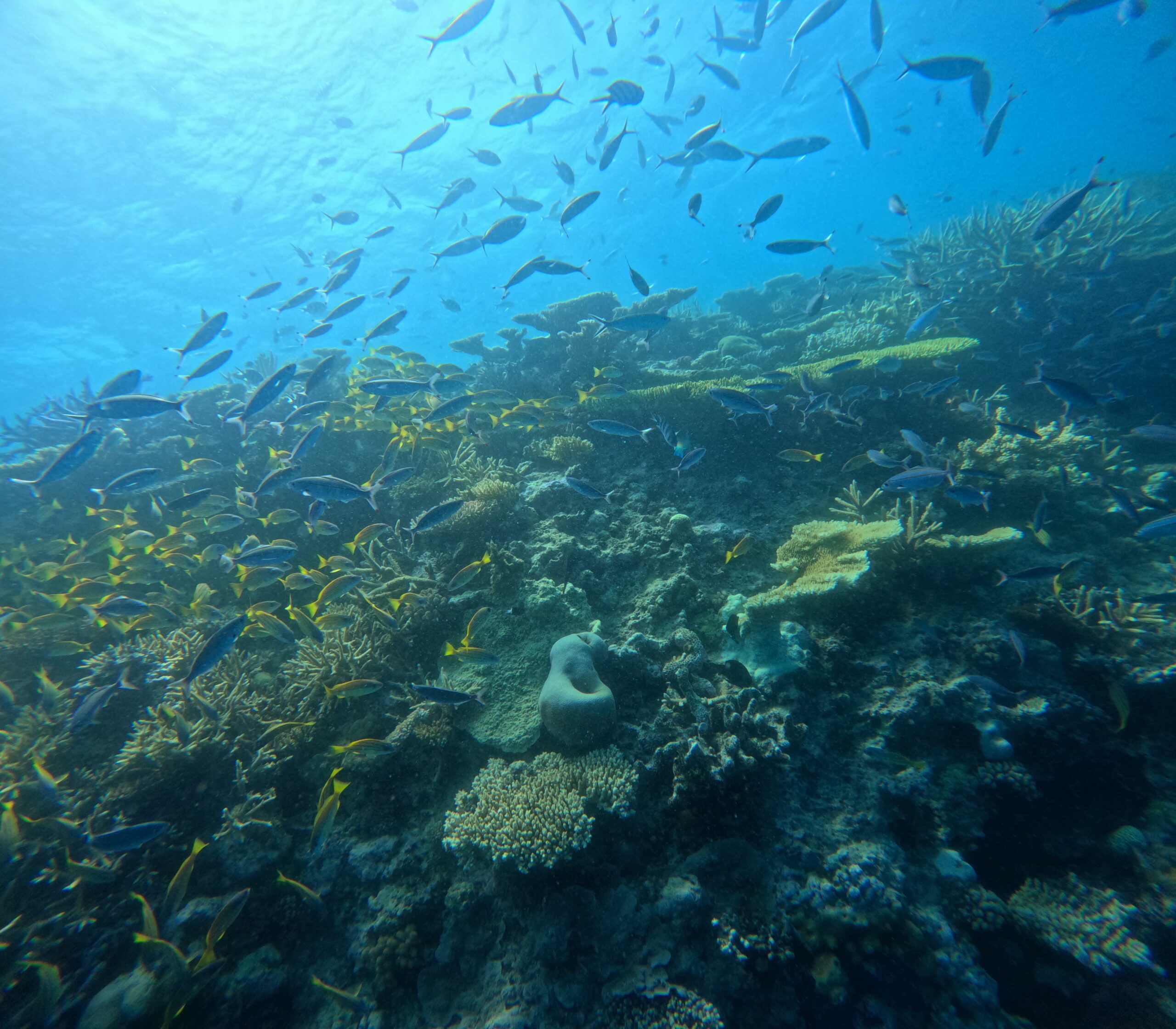
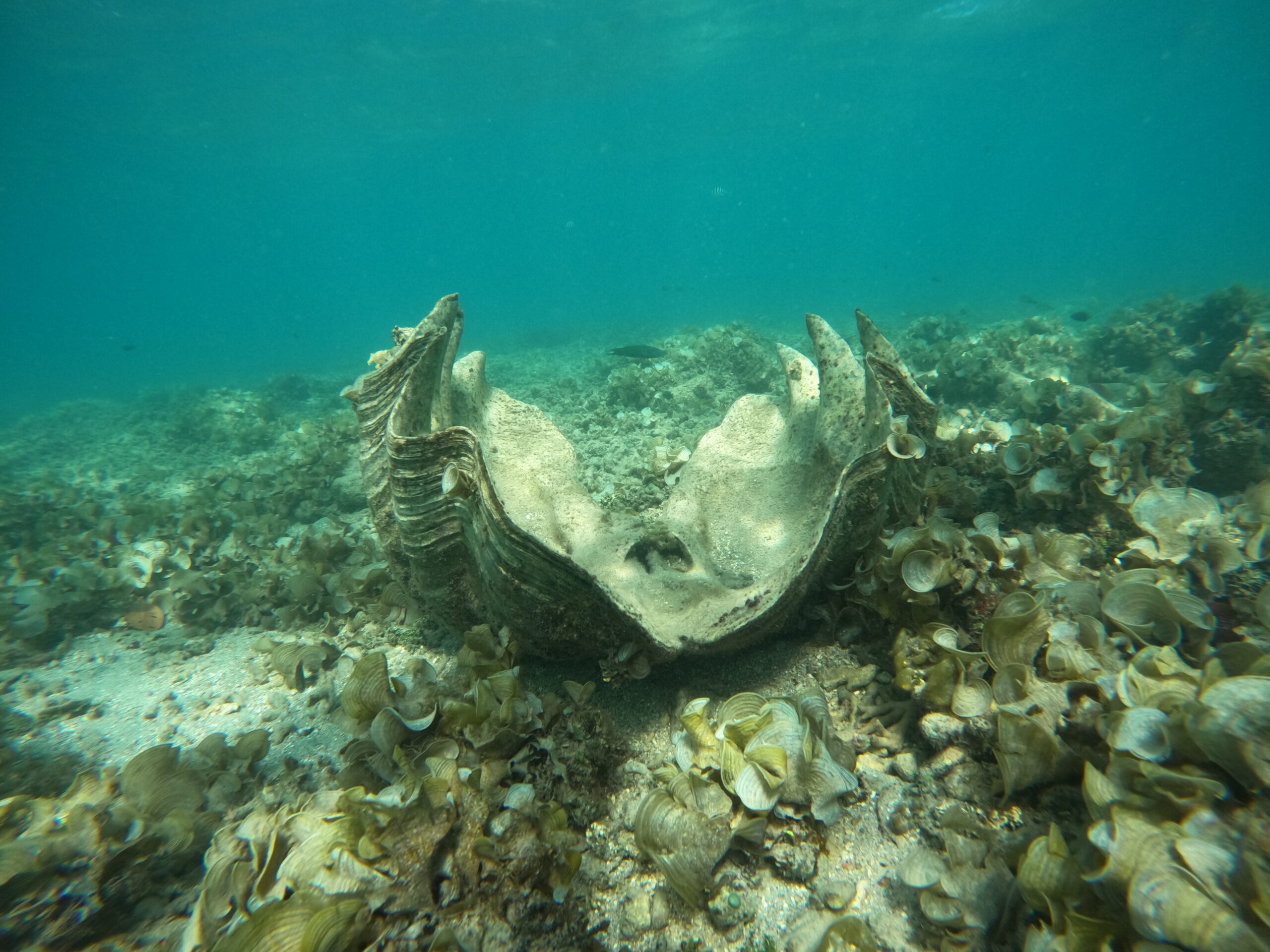
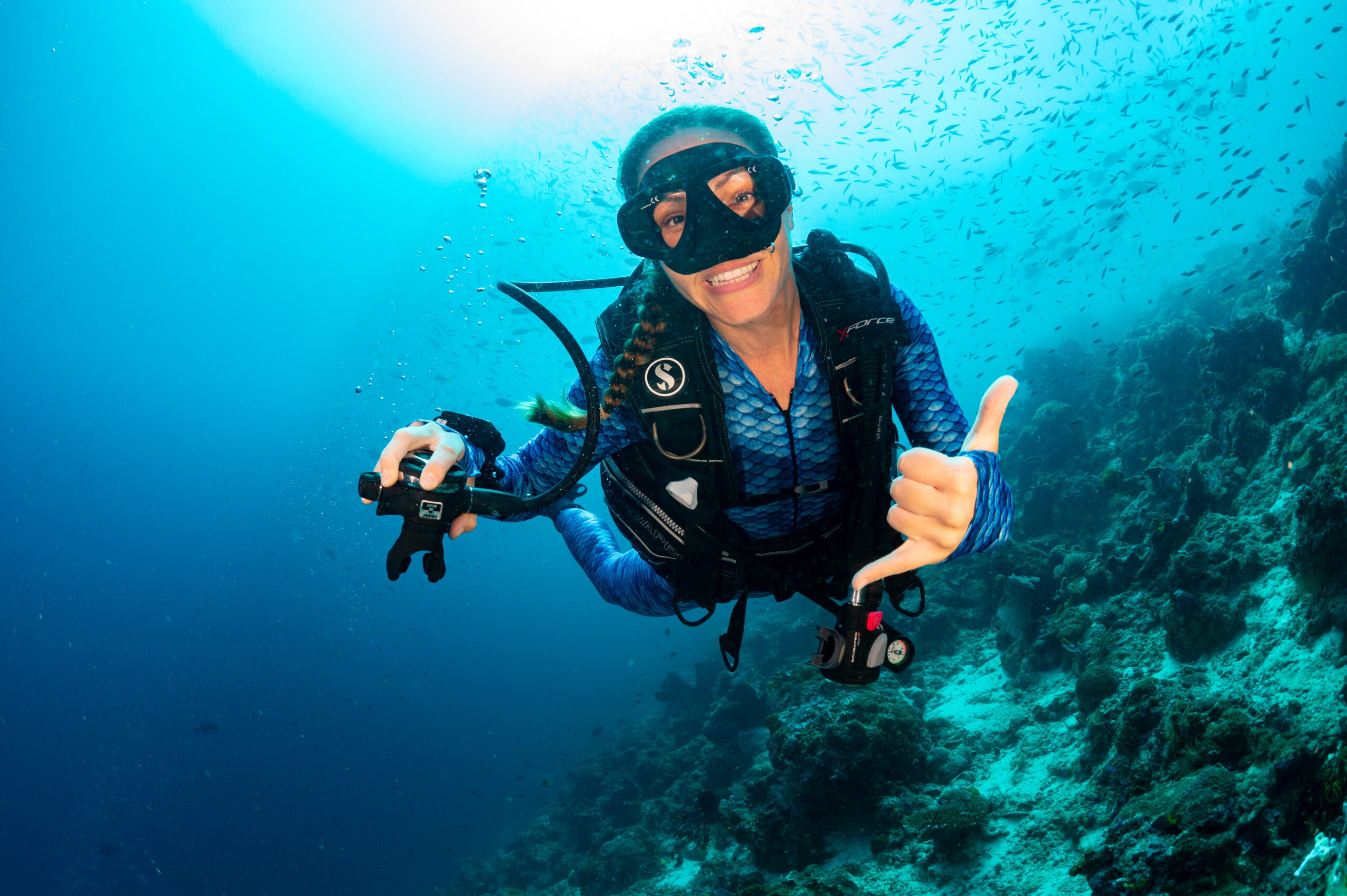
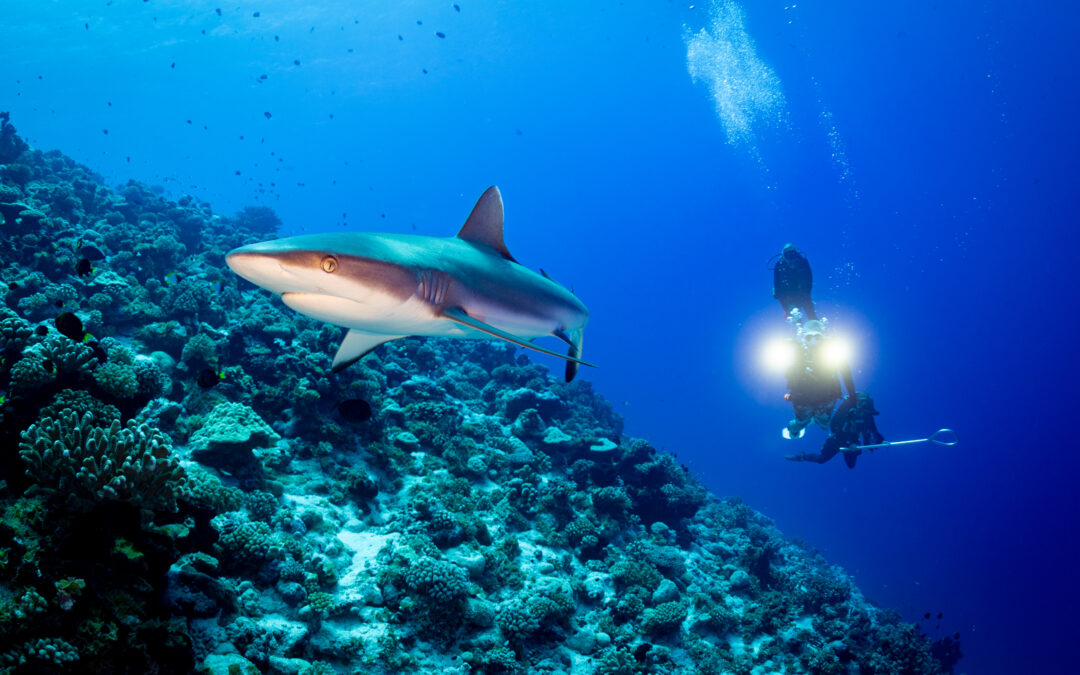
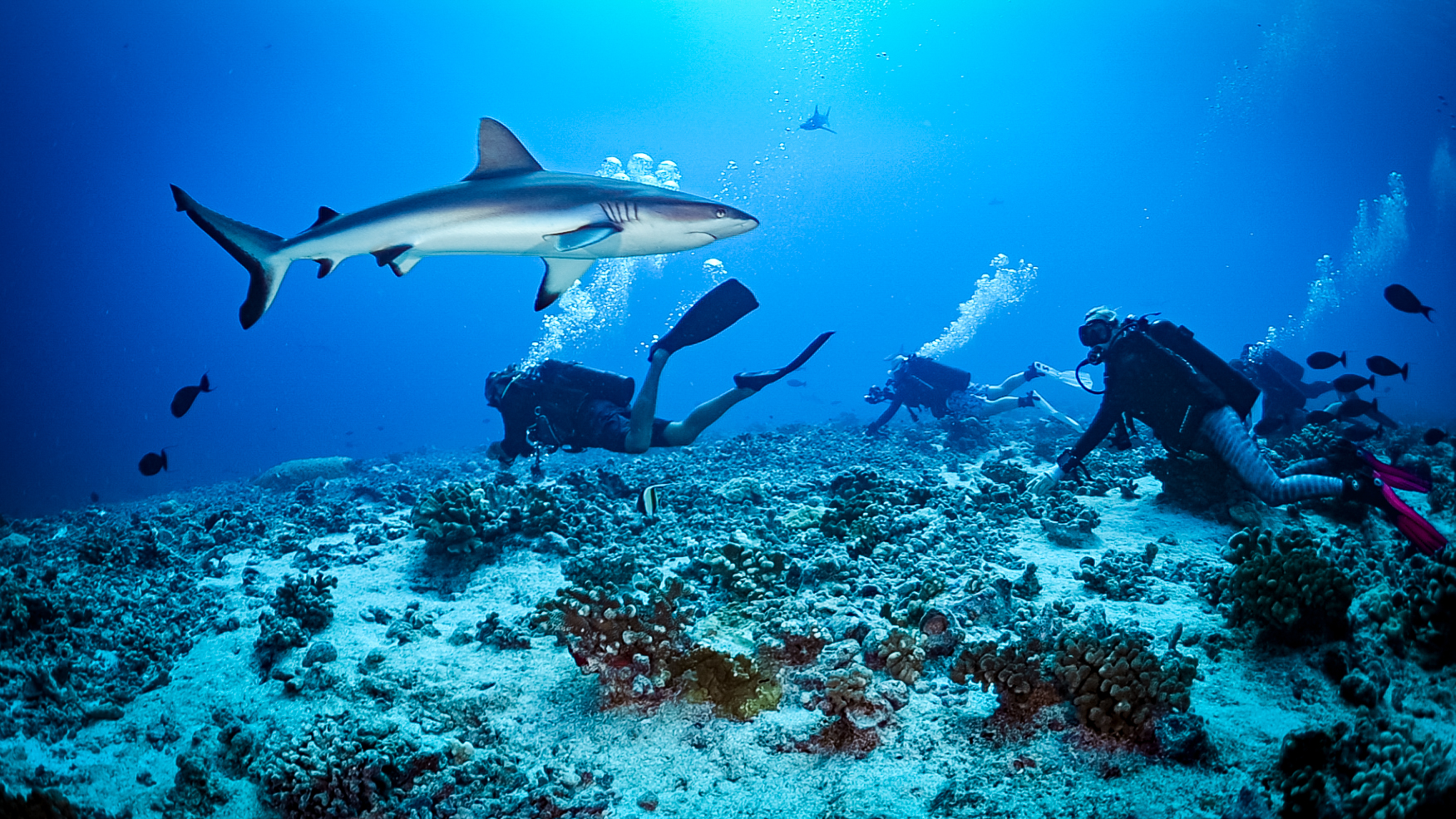
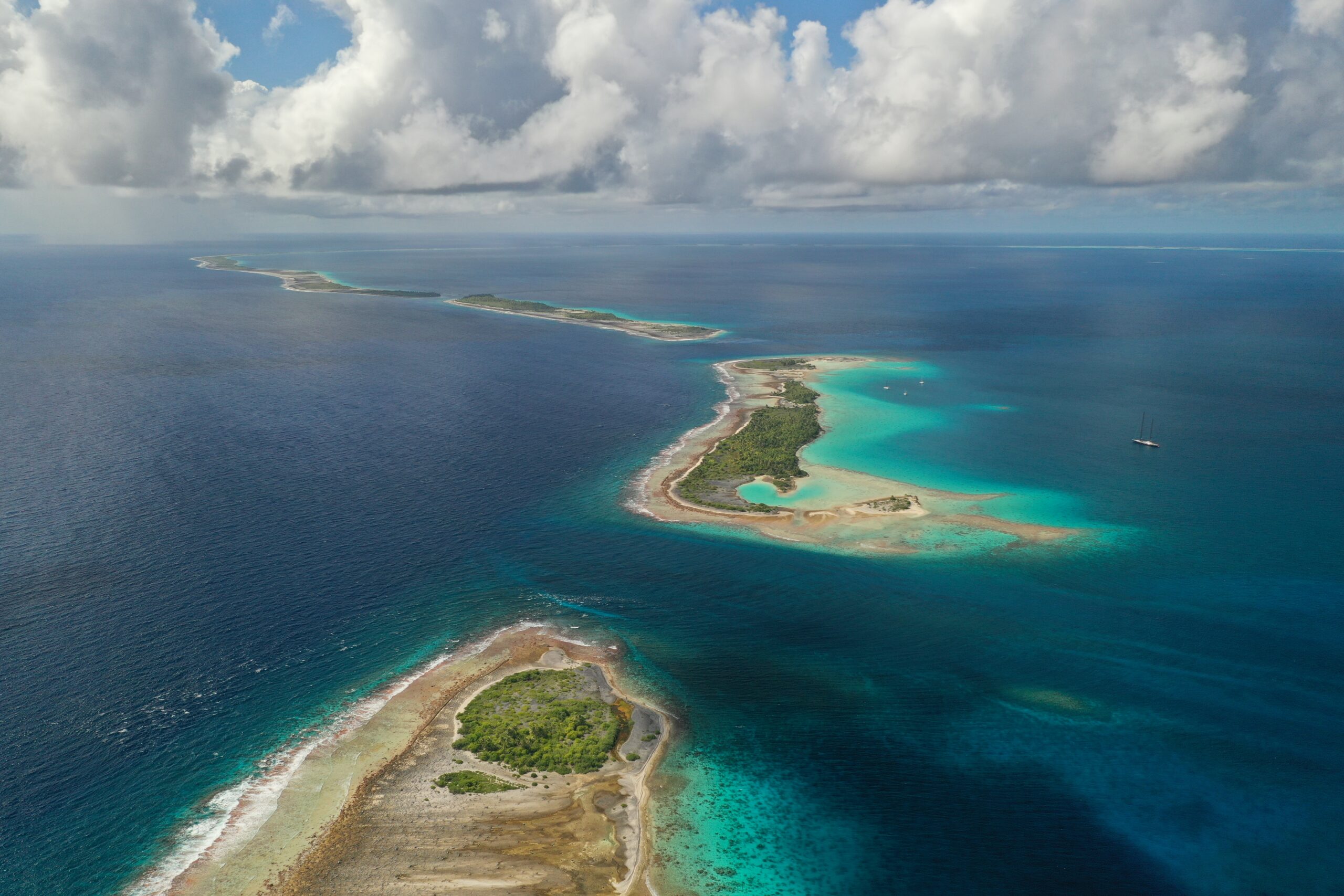
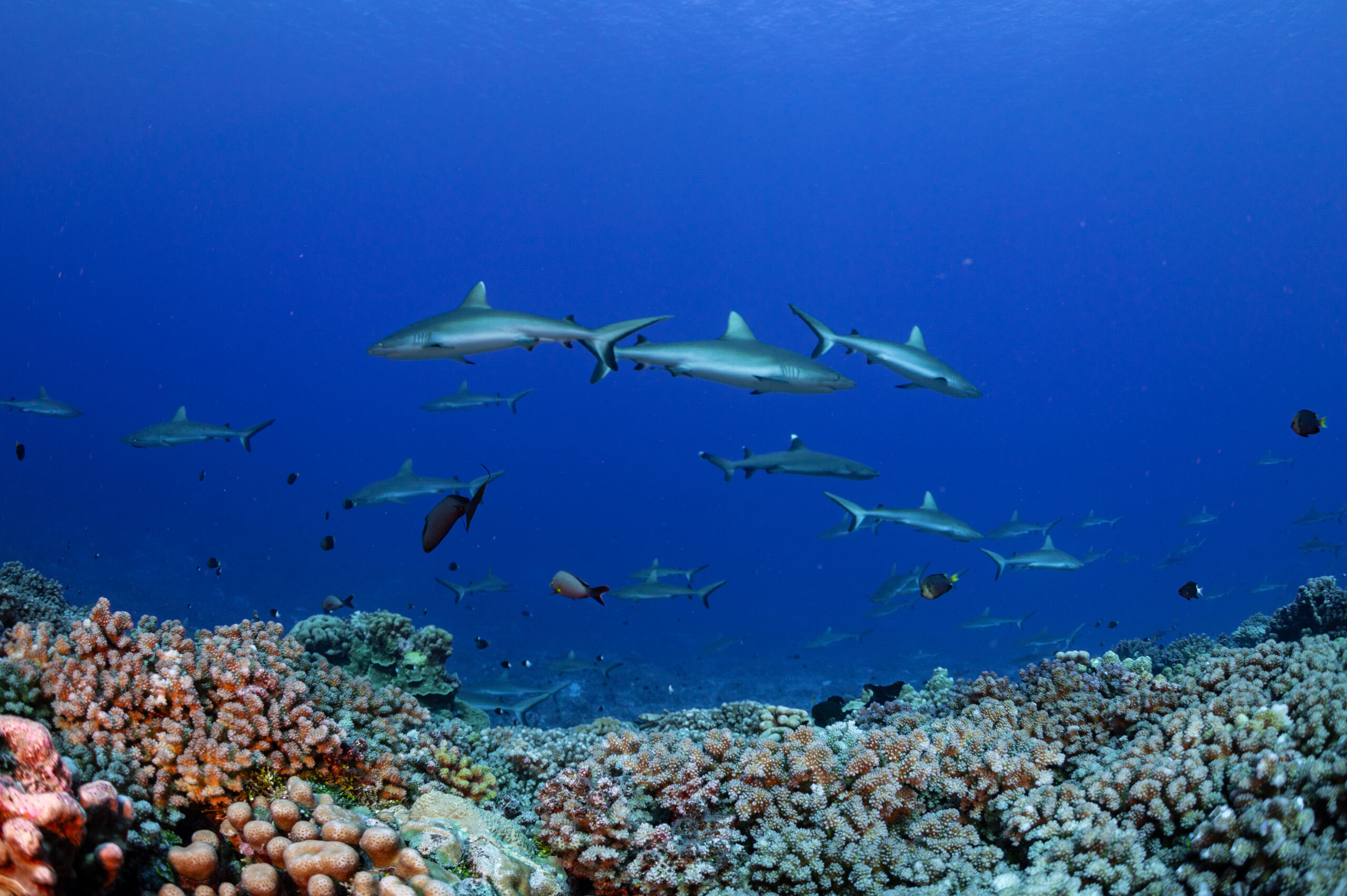
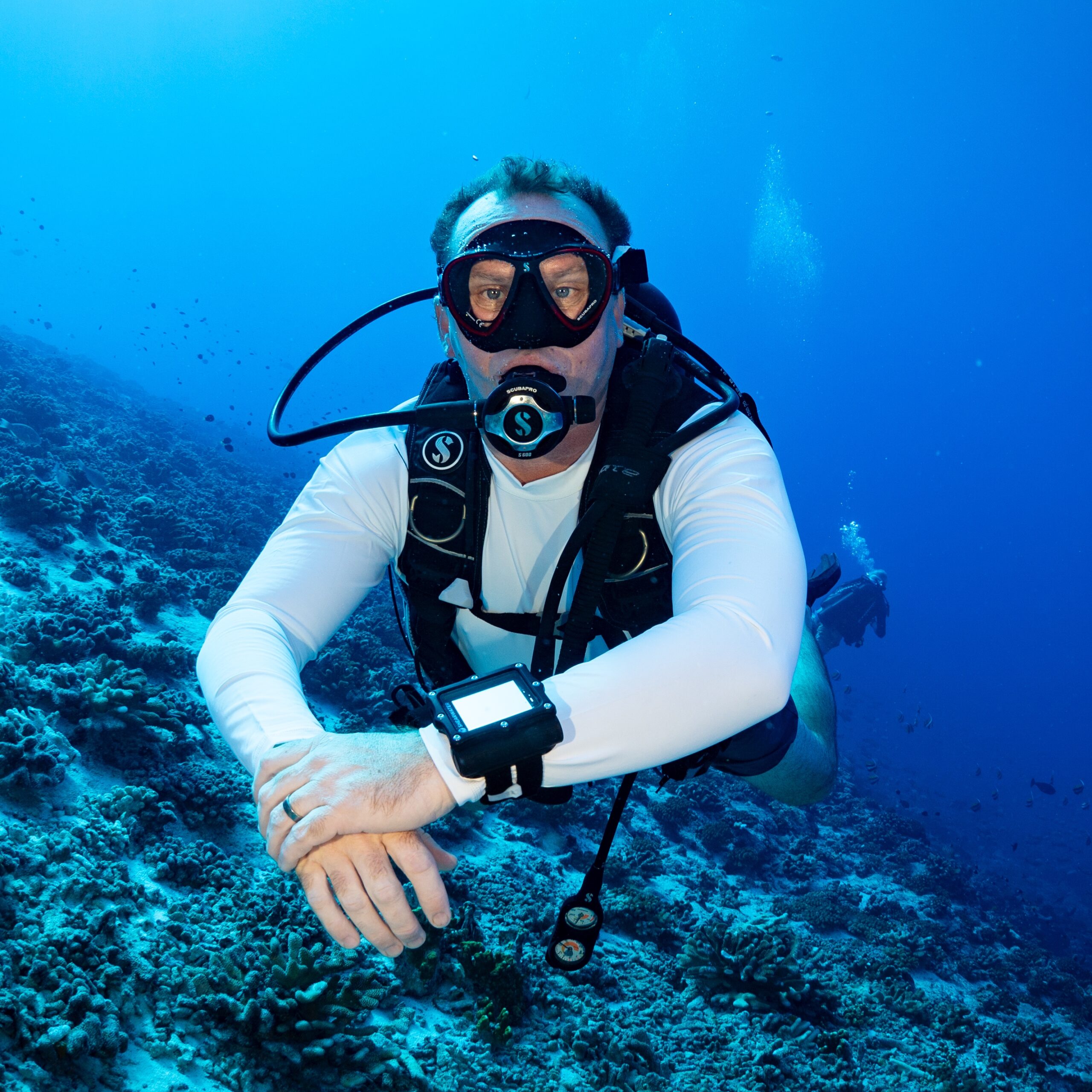
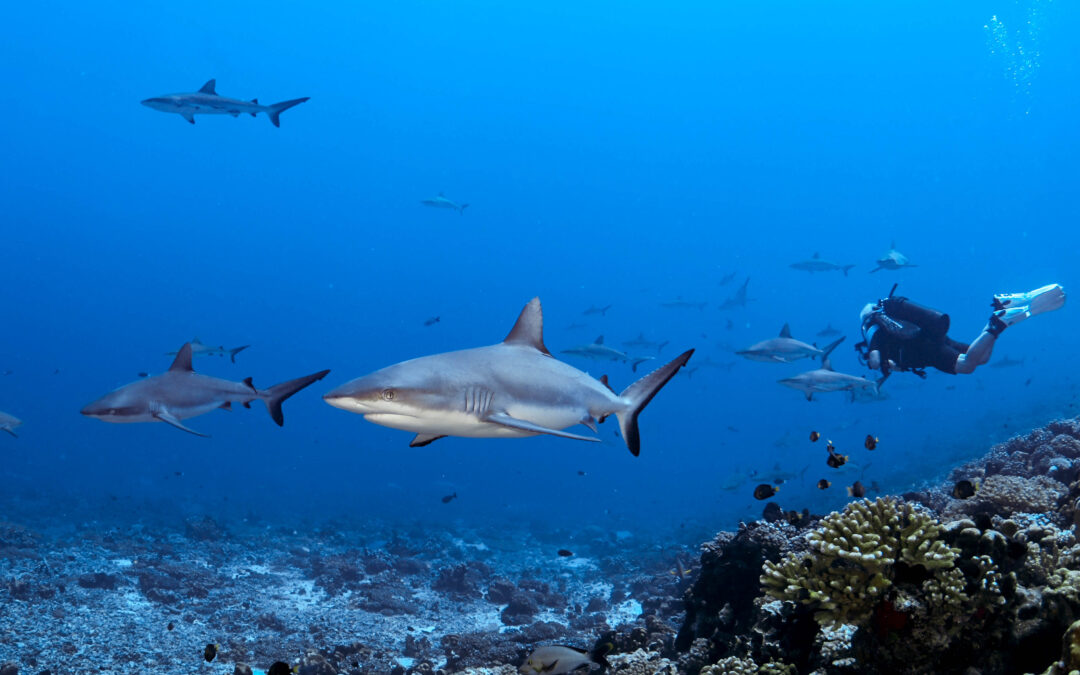
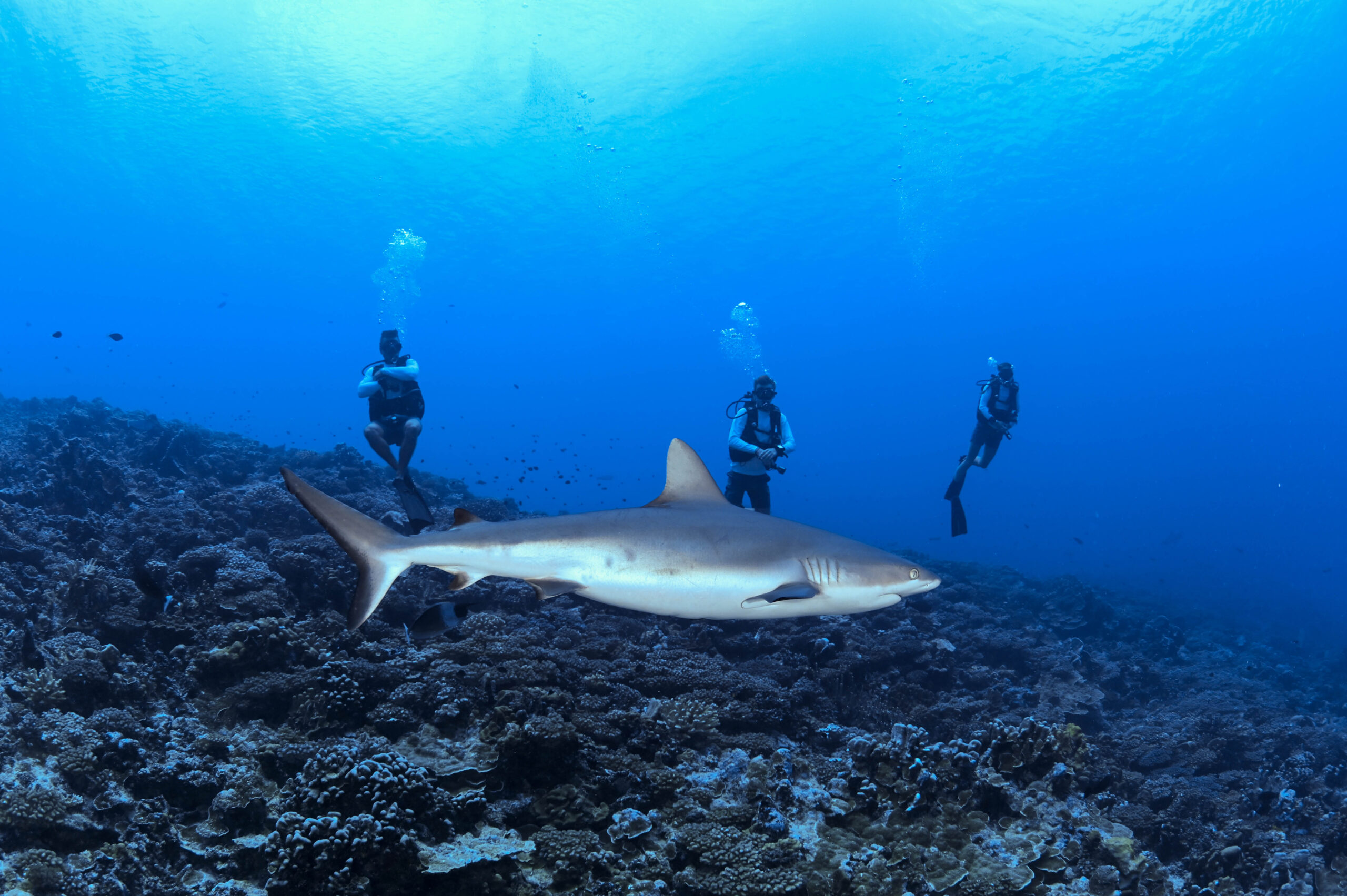
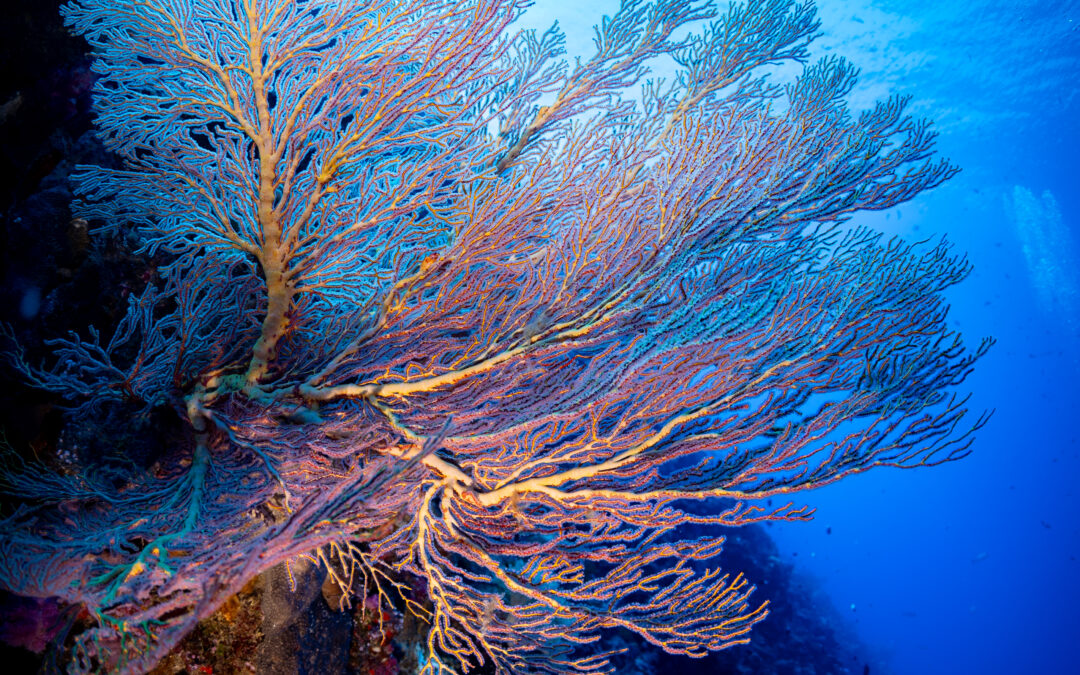
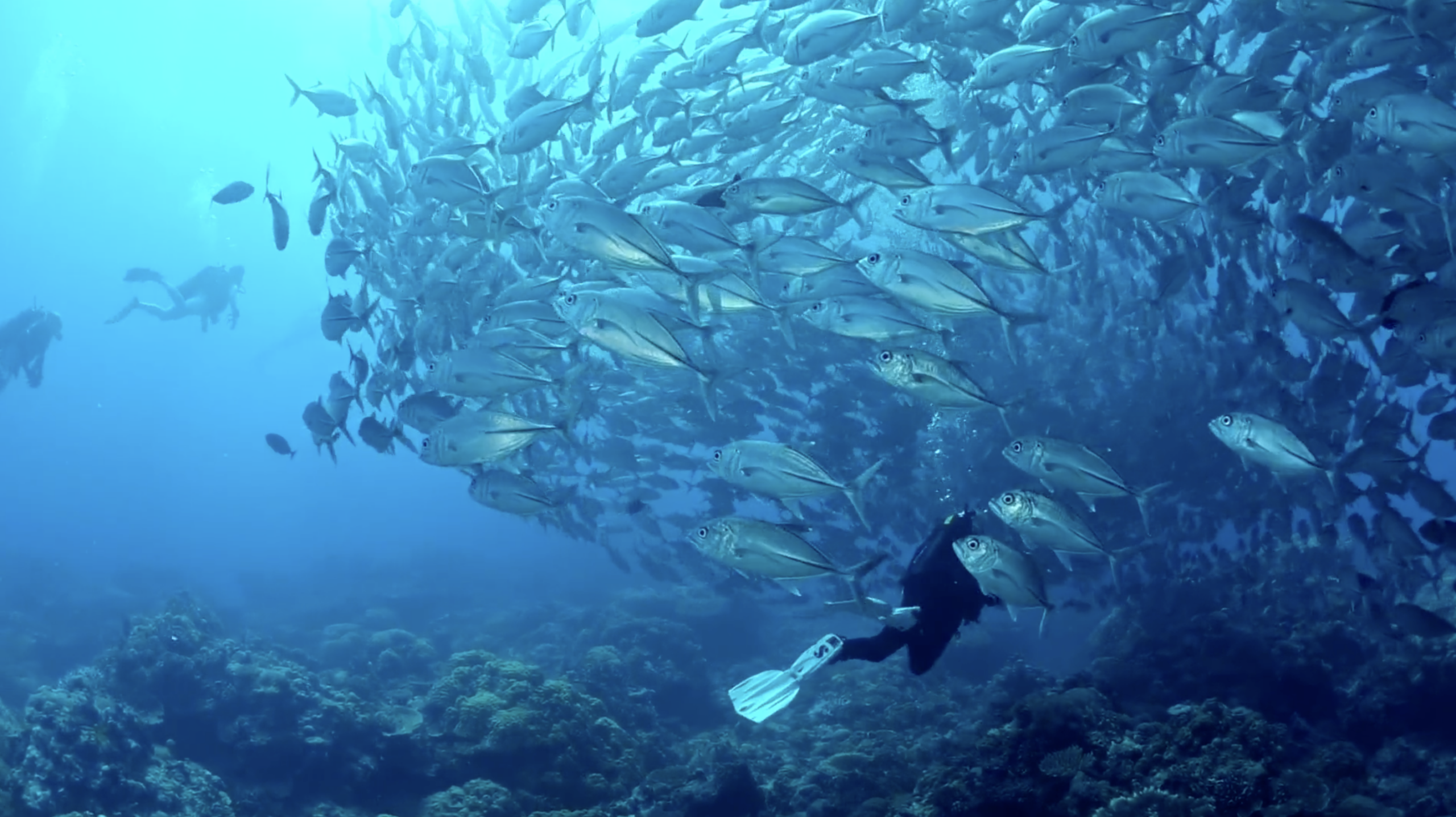
Recreational diving included reefs, caves and wrecks abound. Malakal and the spectacular Rock islands further south was the base for Seahawk from where dive missions were launched to the Ulong channel, German channel and to the outside of the barrier reef. The dive sites we explored on the outside of the lagoon included the German channel (Manta cleaning station), Big drop oQ, New drop oQ, Blue hole and Blue corner. Spectacular scenery and plentiful life would be an understatement, but dying coral was evident.
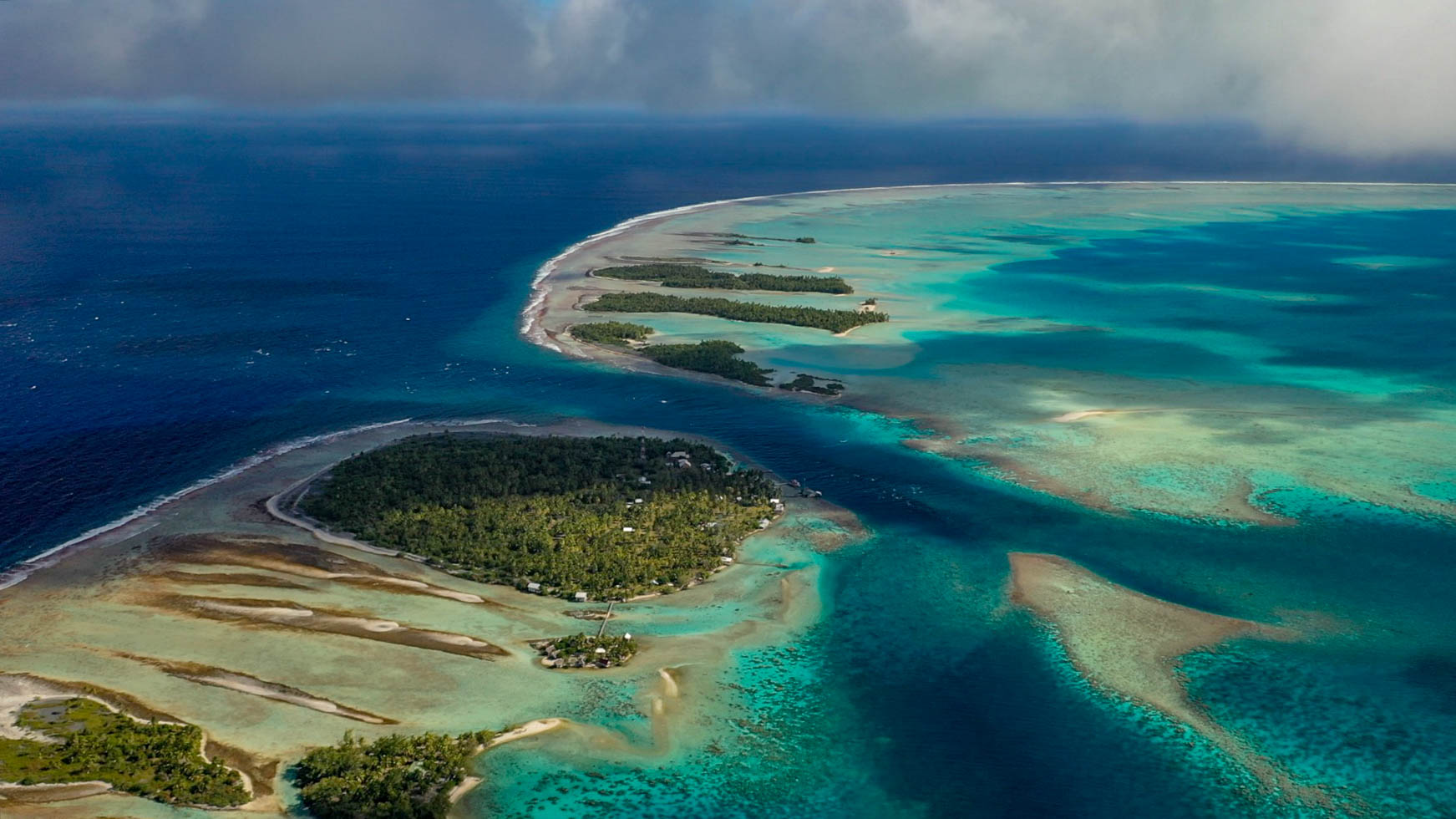
The Rock Islands of Palau were formed by a combination of geological processes, including volcanic uplift, coral reef growth, and erosion. Volcanic activity created an underwater mountain range, which was then covered by coral reefs over time. As sea levels changed, the coral-covered mountain range was uplifted, exposing it to the surface and forming the iconic rock islands. Further shaping of the islands occurred through erosion by wind, waves, and biological activity, resulting in the distinctive features like mushroom shapes and undercut bases.
The channel was created in the early 20th century by German colonial administrators to facilitate phosphate mining and transportation. It was built using blasting and dredging methods. Today it is the primary access to the dive sites that bring in plenty of eco-tourism visitors.

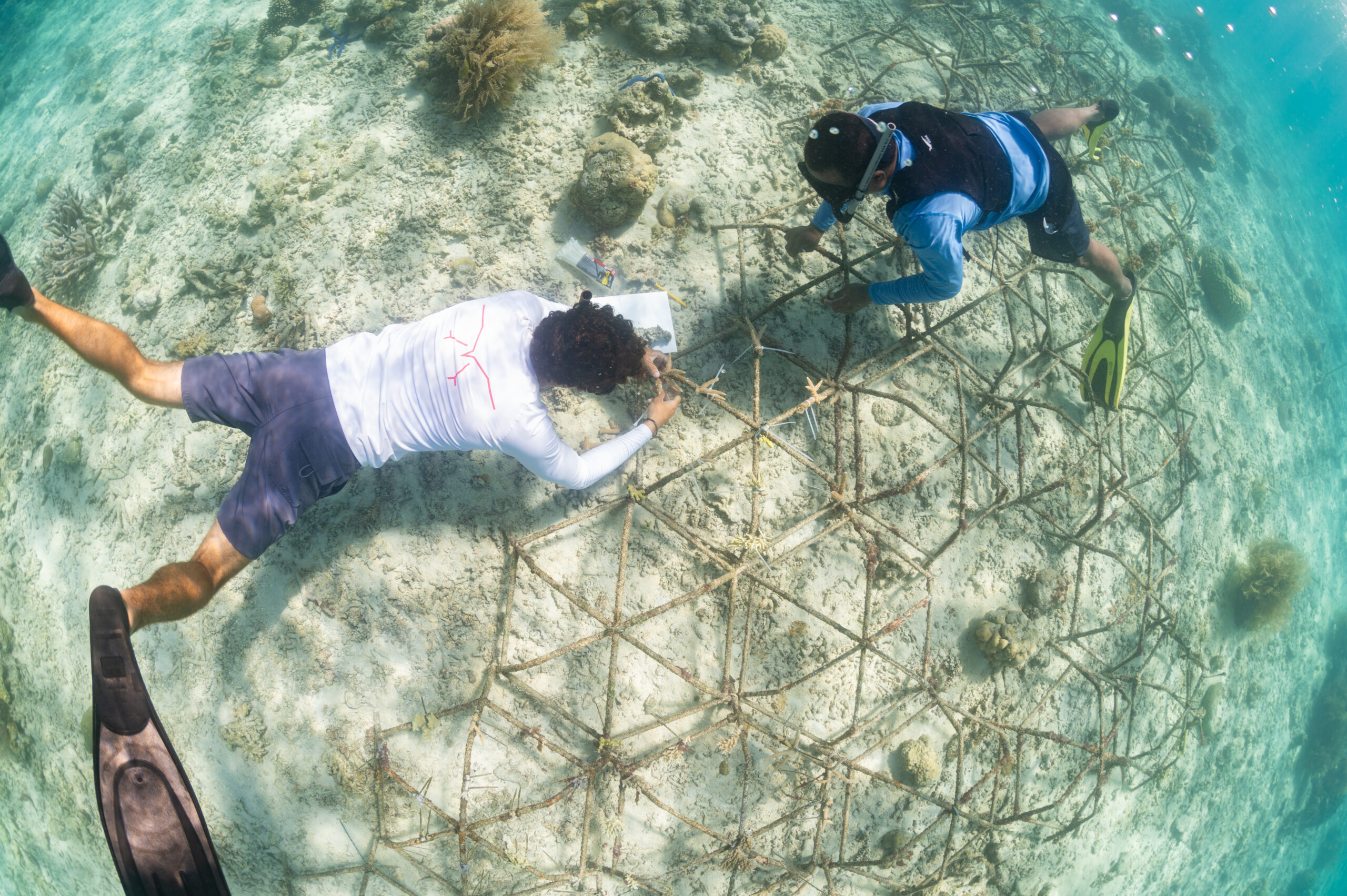
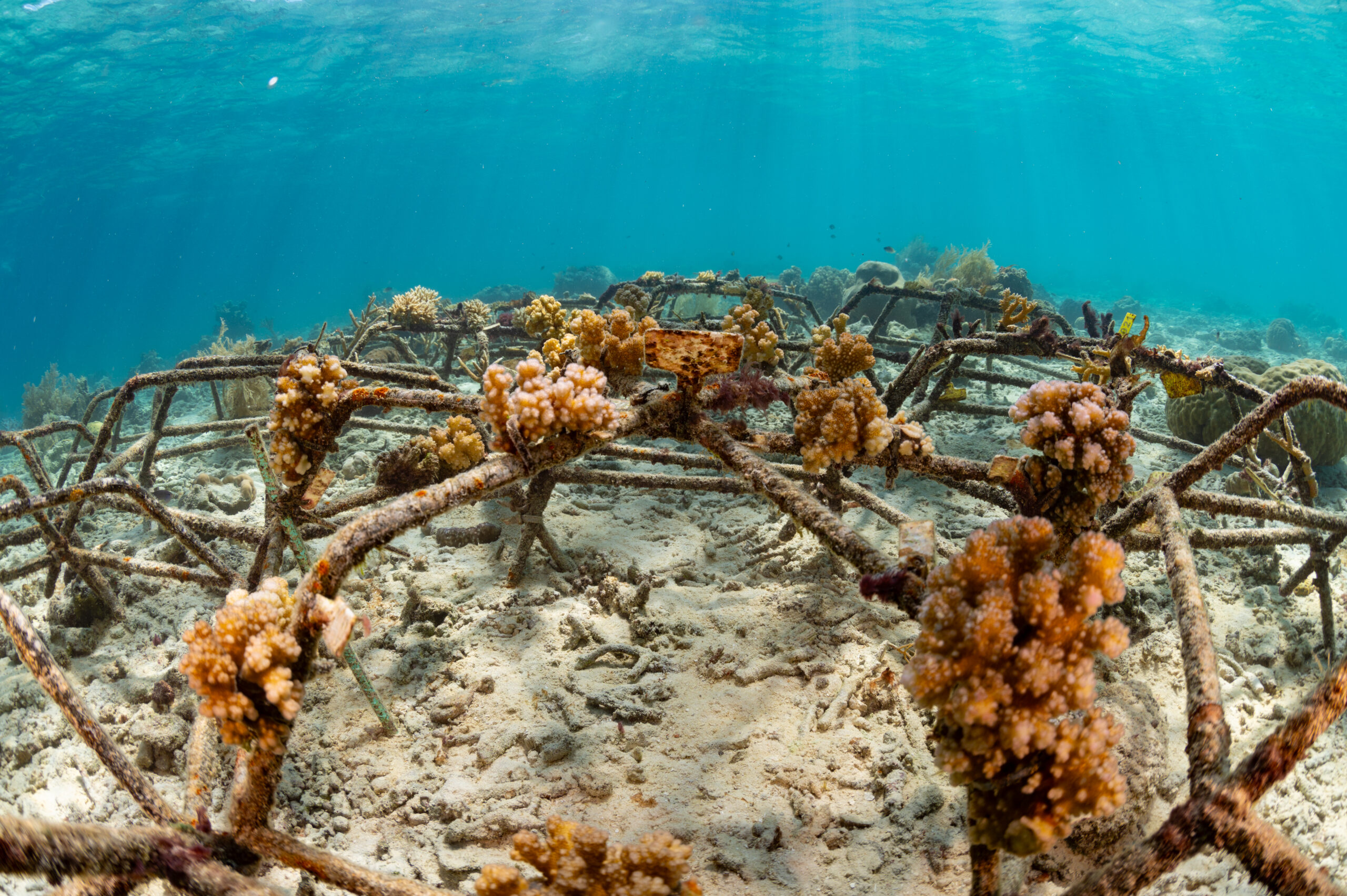
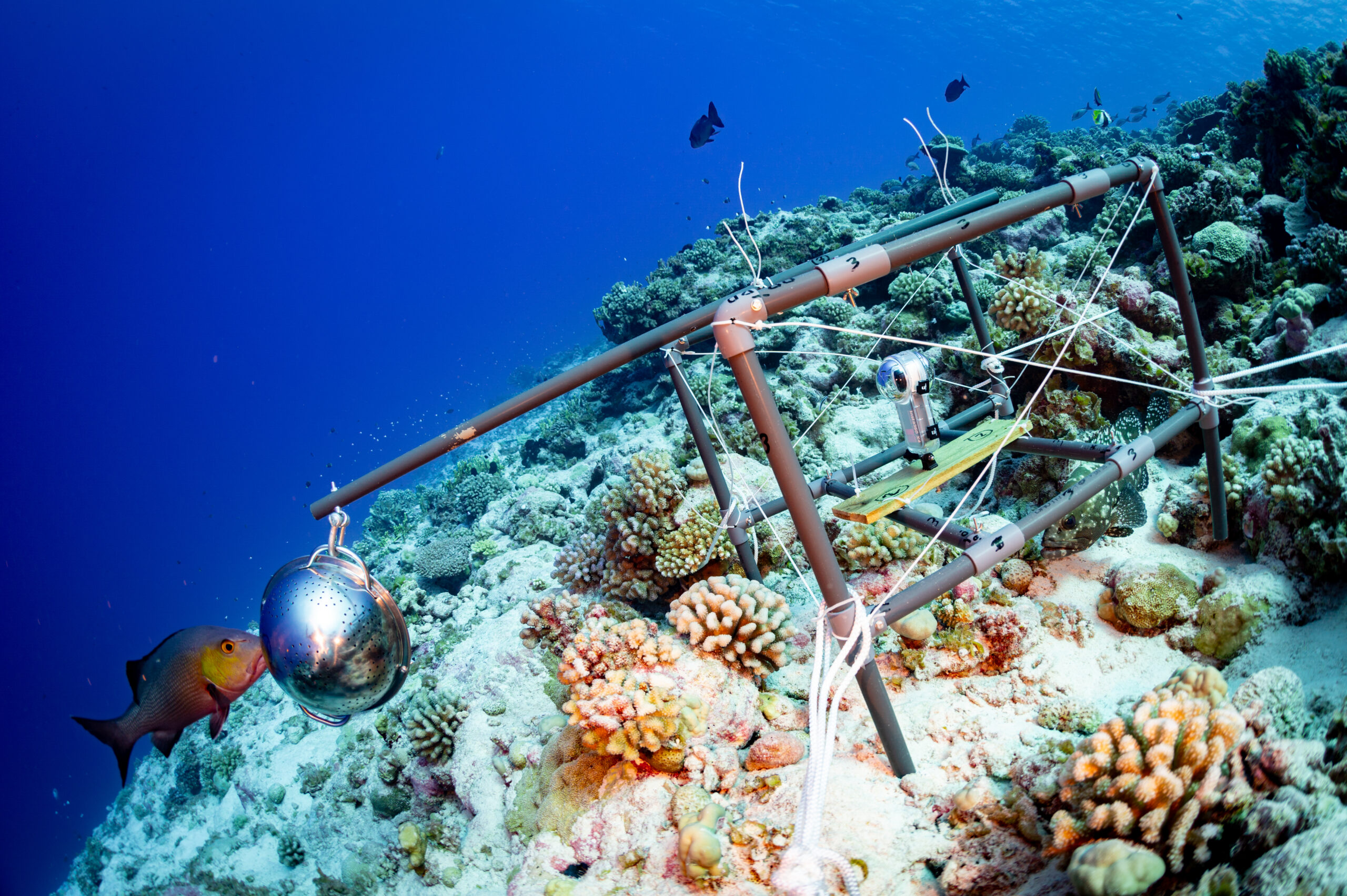
Seahawk engaged with the local Palau International Coral Reef Centre (PICRC), to learn more about the land, its people and current science projects. PICRC’s vision – “Empowered Ocean Stewardship that Sustains People and Inspires the World” was very clear and immediately apparent, these guys are serious about taking care of their environment and help to make it more sustainable in a changing world. We learned about the amazing work they are doing, identifying temperature resistant coral species, growing these species and planting them out on their reefs, to assist in making their environment more robust to the coming changes was one of many projects they are busy with. Please look them up and assist if you can at https://picrc.org/
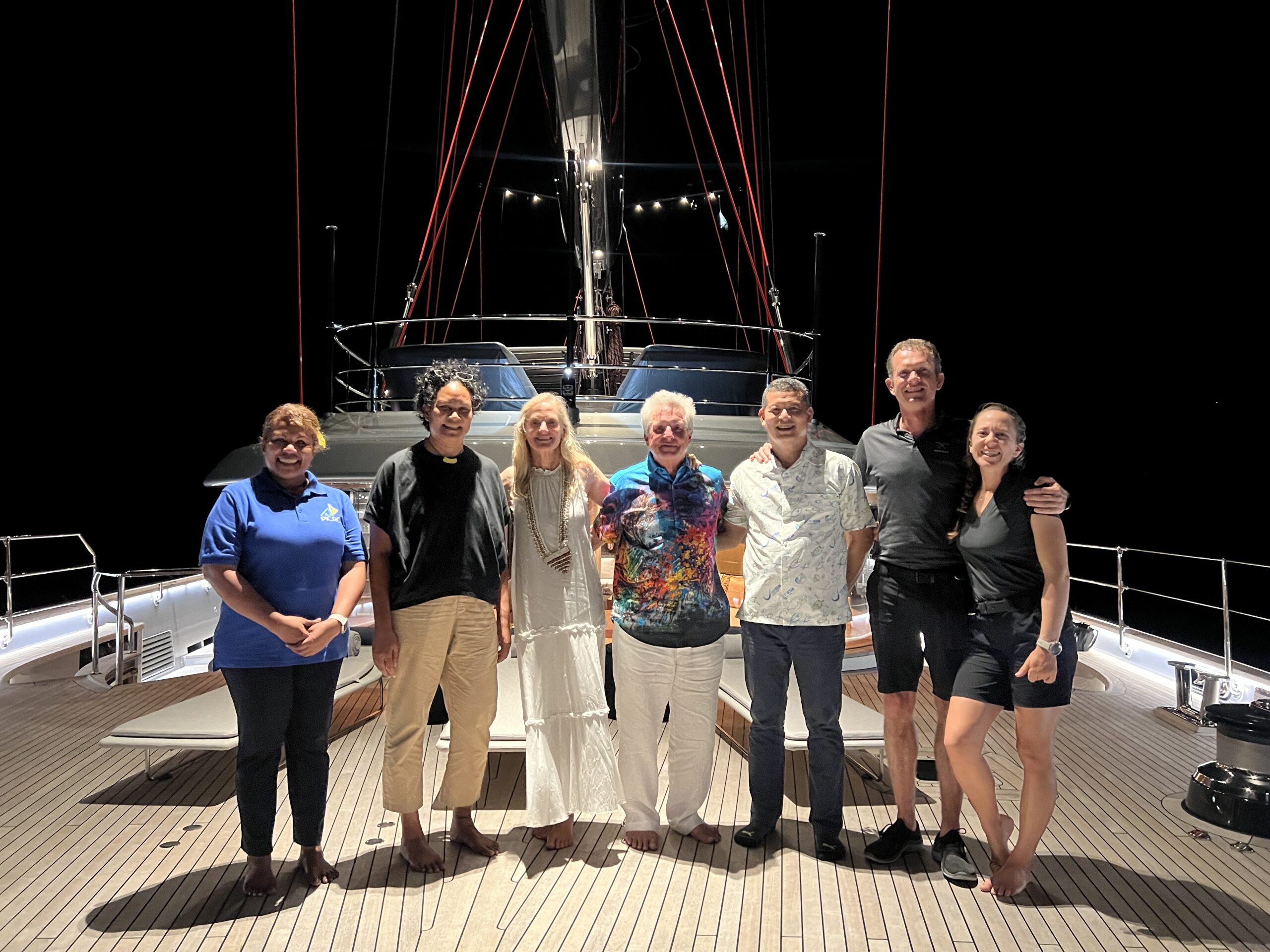
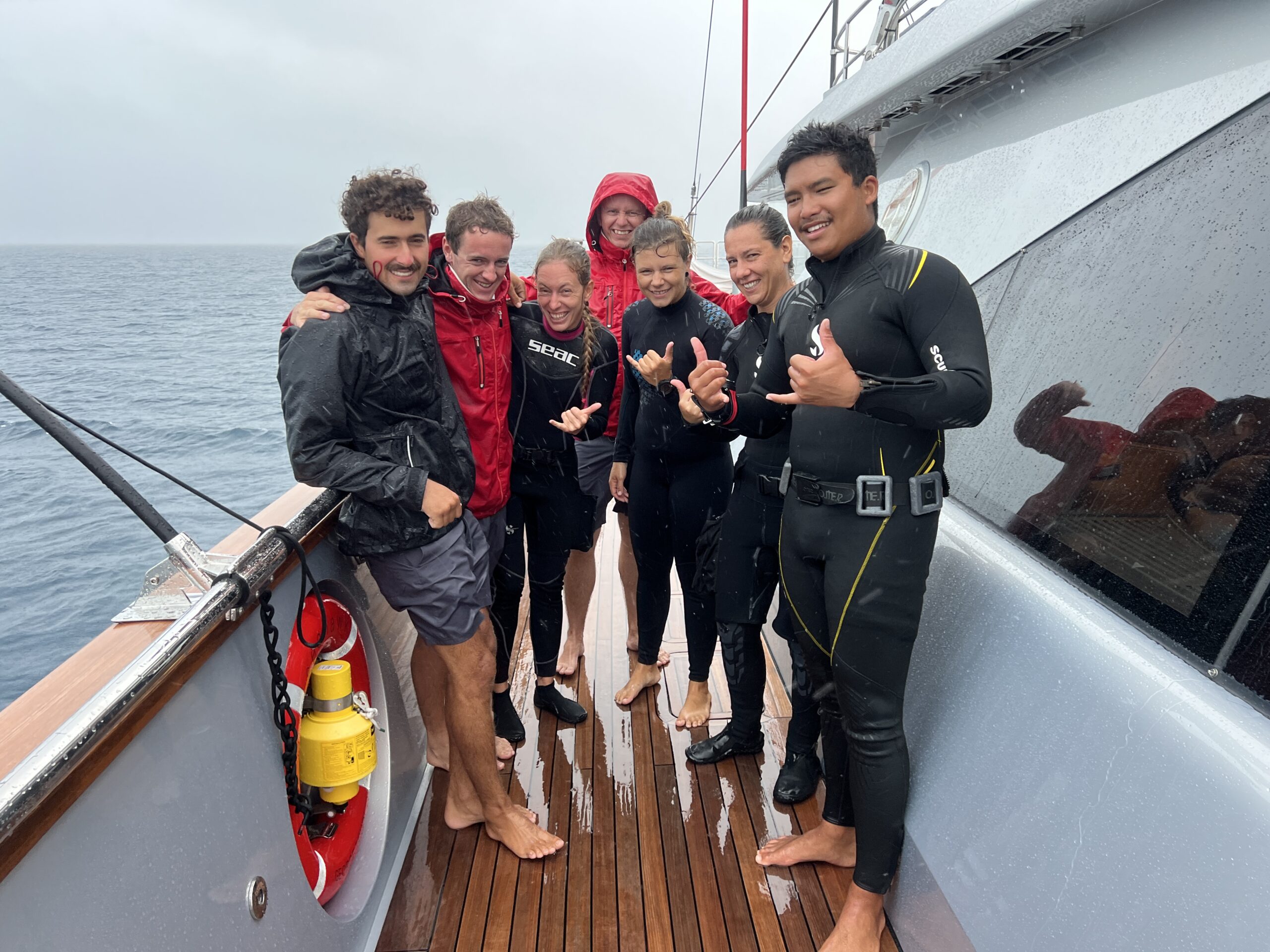
Seahawk hosted a lunch onboard together with a team from PICRC and Dr. Yimnang Golbuu, currently the Conservation Director for The Nature Conservancy, Micronesia and Polynesia. It was very informative and it is great to see the collaboration between the two groups today working towards a more sustainable future and assisting their environment to be more resilient to the future.
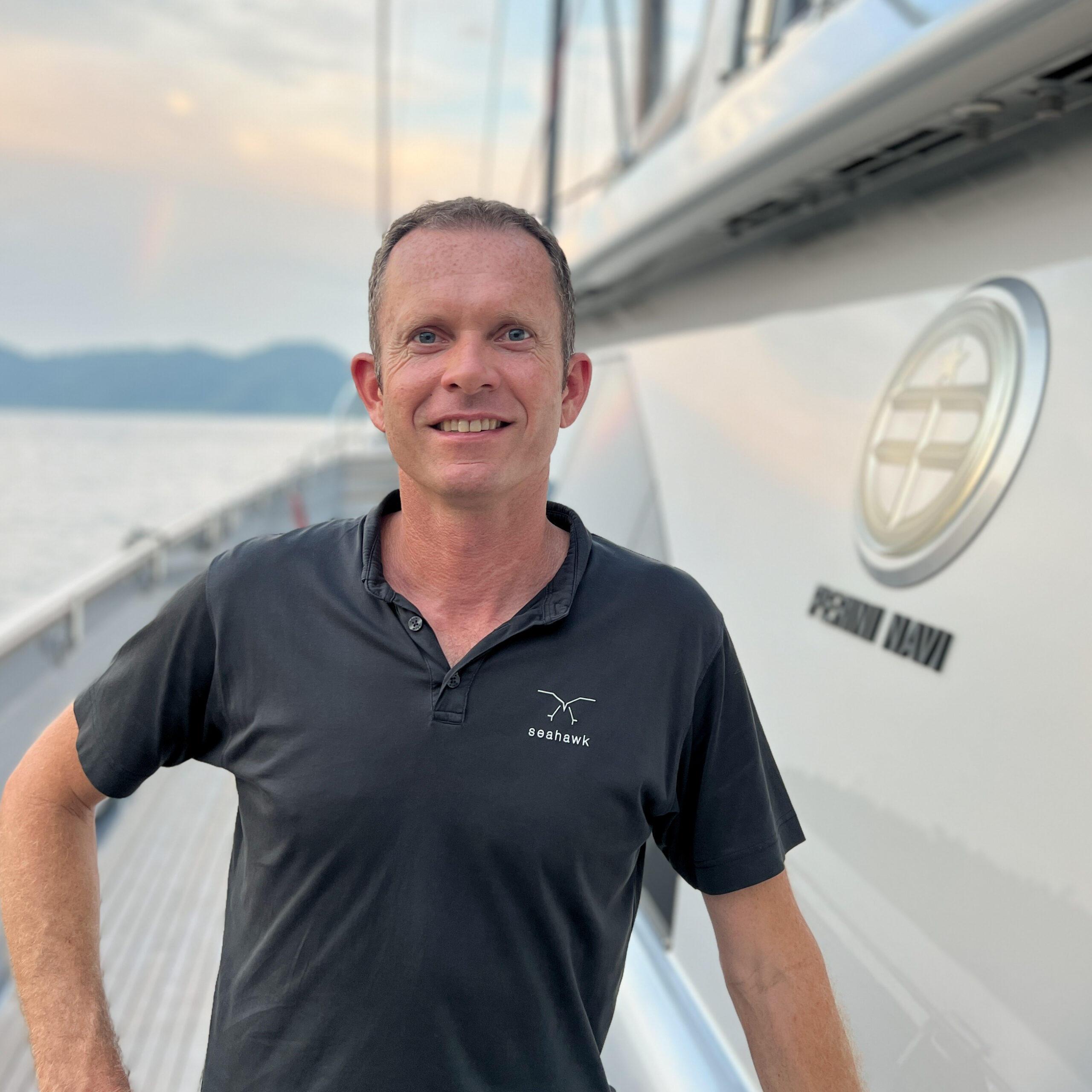
Written by Captain Jako Fouché
Rotational Captain