French Polynesia – Operation Swimway

French Polynesia – Operation Swimway

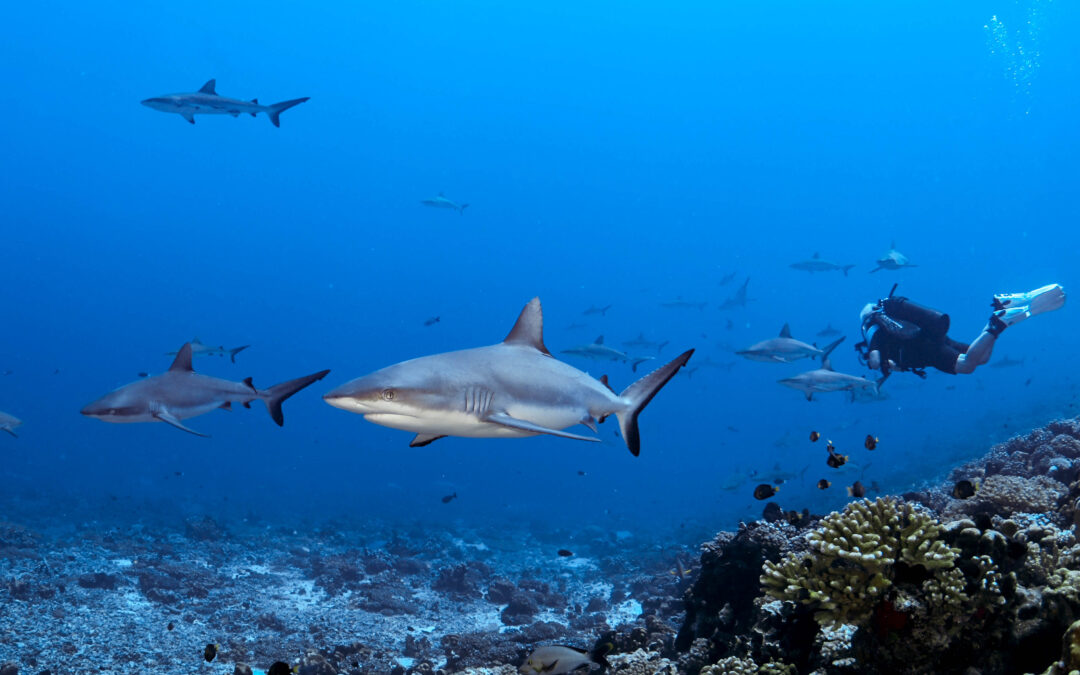
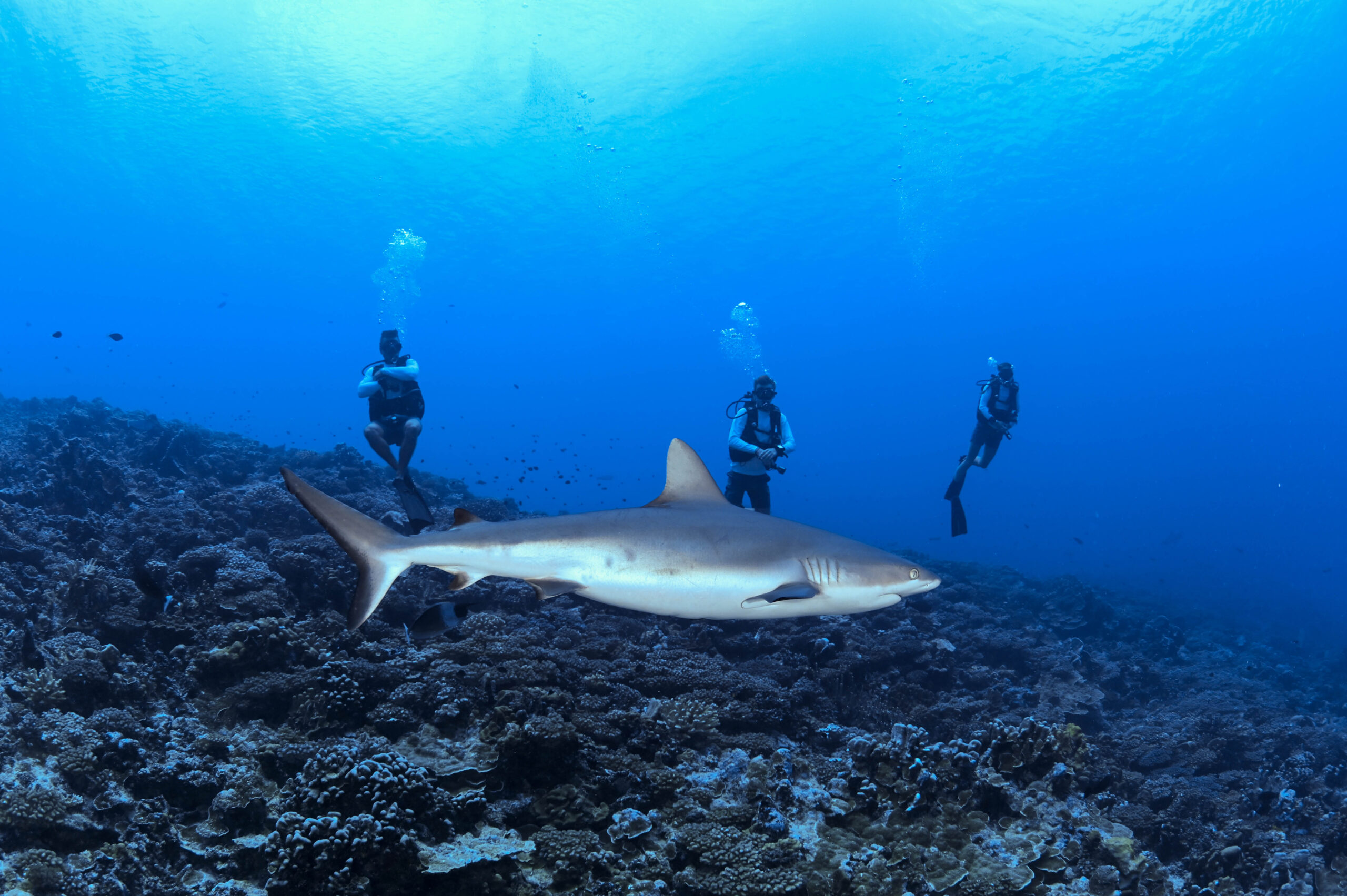
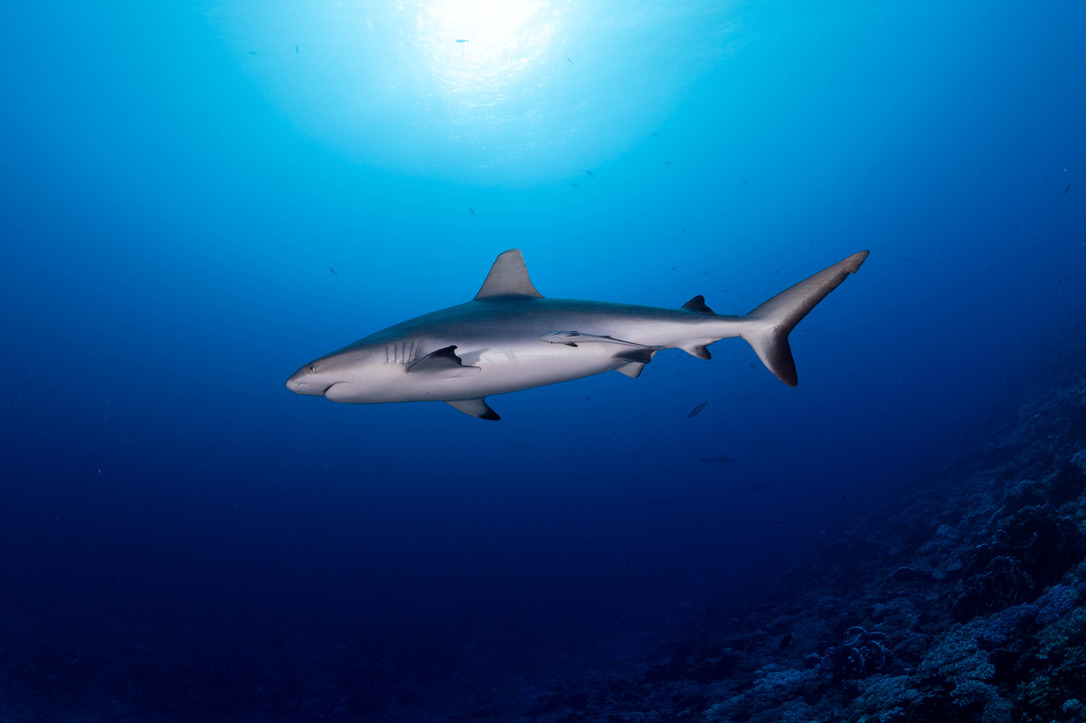
Much of what the S/Y Seahawk mission is about involves developing a better understanding of the marine environment, especially pelagic species. The focus is on migration patterns, Tiger and Grey Reef sharks of special interest because it is suspected that the travel itineraries in play are key to sustainability. Understanding reproduction strategies for these animals is also important. Knowing where the pupping areas are located could be the key to protecting the threatened population without having to make the sometimes-controversial Marine Protection Areas (MPAs) excessively large.  For this, we mostly lean on our visiting scientists including Clémentine Séguigne who joined S/Y Seahawk for its most recent exploration of the Tuamotu Islands, French Polynesia during the months of March and April. The work itself is awe inspiring just because of the magnificence the laboratory affords. Of course, the science that follows is exceedingly important, too. What is learned may be the key to not only saving a species but the ecosystem as a whole. 

Seahawk in New Caledonia

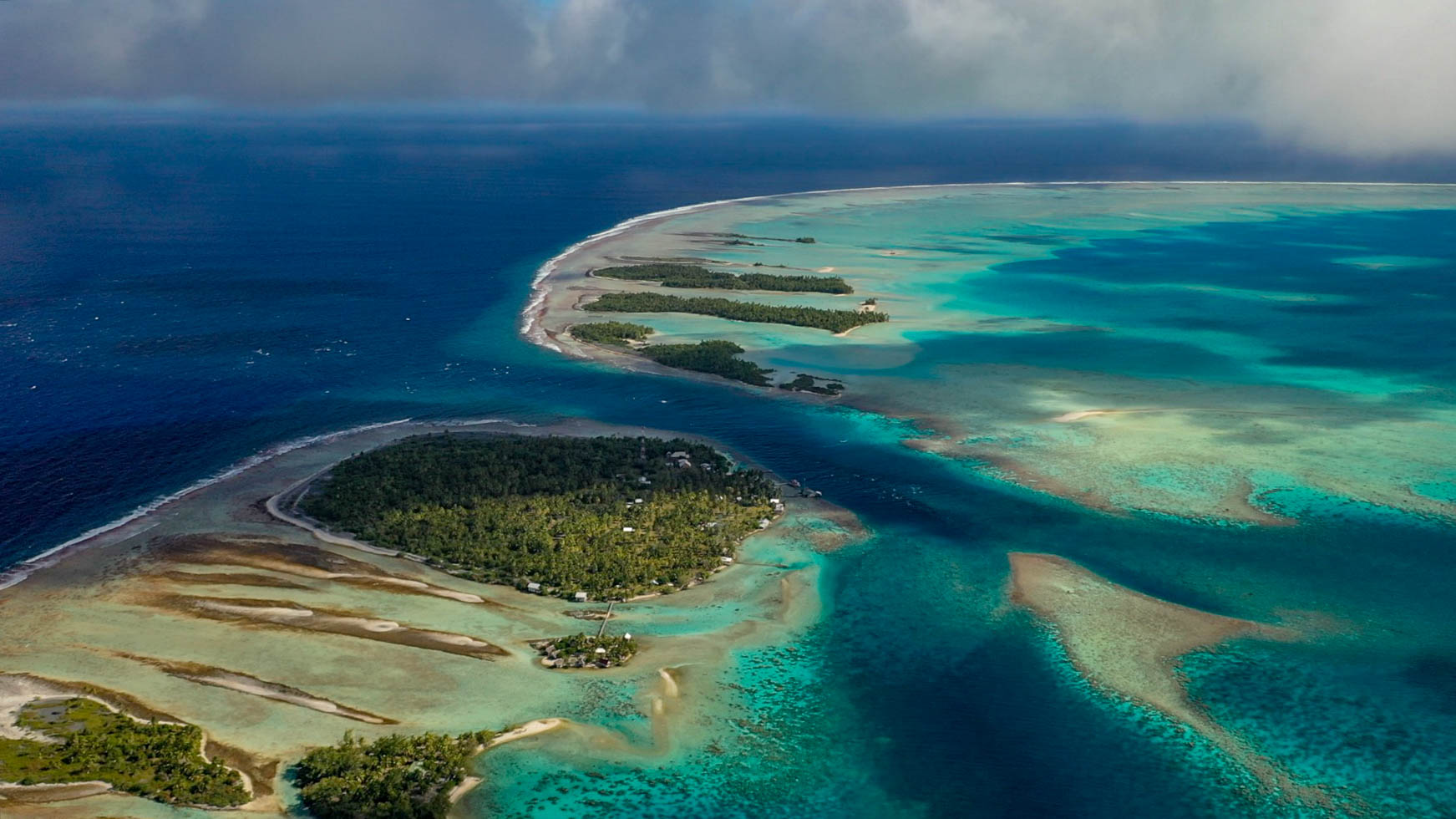
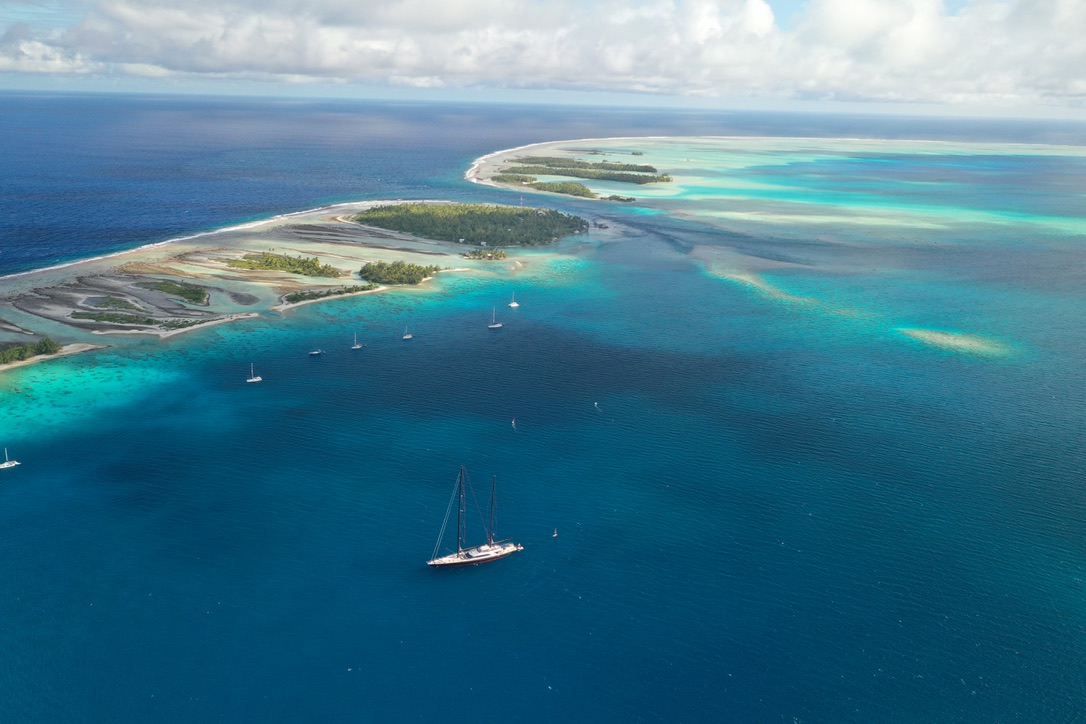
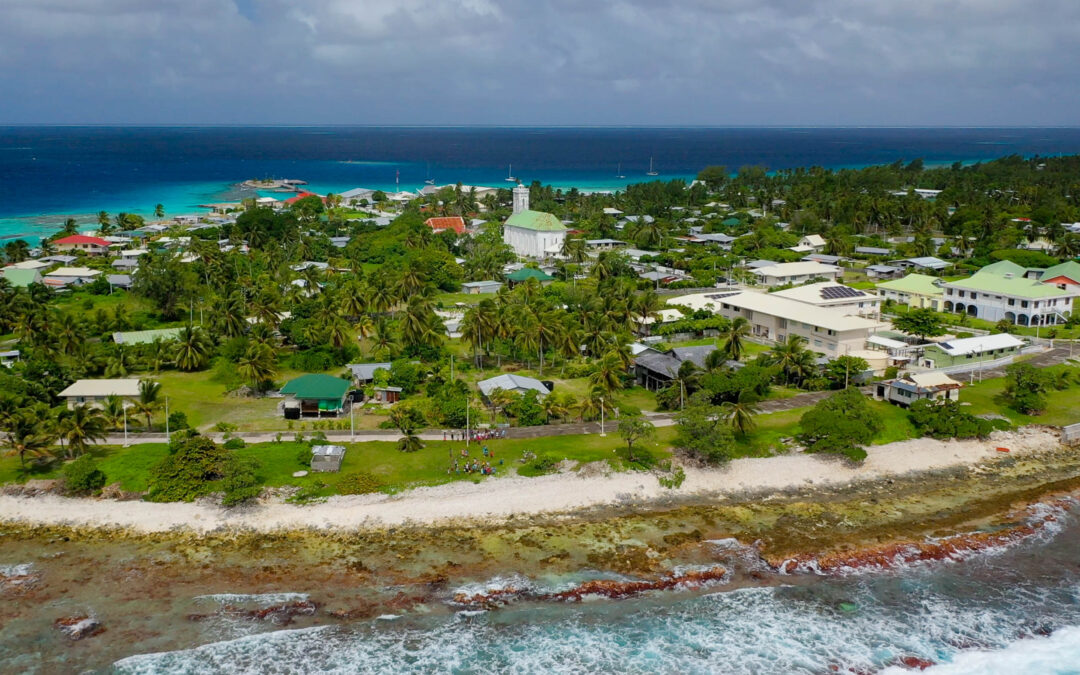
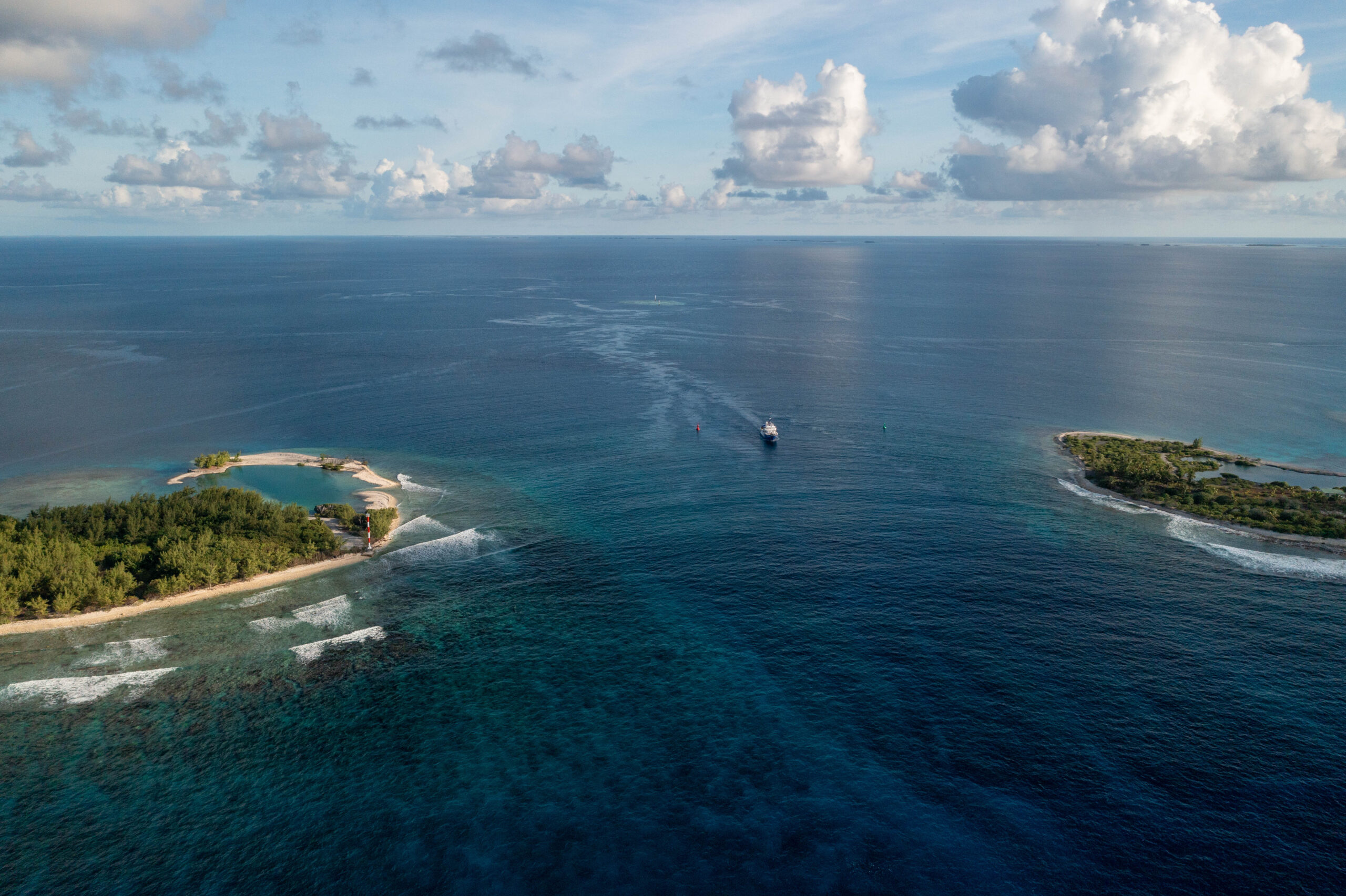
The Tuamotu Island chain of French Polynesia is known for its stunning beauty both below and above the water. There is much complexity here to unravel because these atolls all revert to a volcanic history. Similar to the present-day younger islands of Moorea and Bora Bora, the Tuamotu islands once enjoyed some relief. Now, where there was land forming, e.g., domes and plateaus, there are luxurious lagoons, in most cases surrounded by the remanence of vast coral colonies. There are also one or more natural passes that exit these lagoons. In some cases, the passes through the coral reefs were formed because of the geology in play. More often it is the freshwater runoff (rain) that carves a path through the coral, (coral does not like fresh water.) But beyond the formation curiosity, these passes are where the action is. The currents that form both in and out of the lagoons attract a wide variety of species. Some come to these places to breed. Others, prototypically a variety of shark species, enjoy feeding and the luxury of resting on the bottom while the current effortlessly pumps oxygen through their gills. 

Noumea beaches were closed due to recent shark attacks

Sharks are a keystone species in the marine ecosystem. As an apex predator, they keep the ecosystem in balance, and without them, the entire food web will collapse. Sharks are vital to the health of the oceans and to our existence on this planet. We must protect them. 

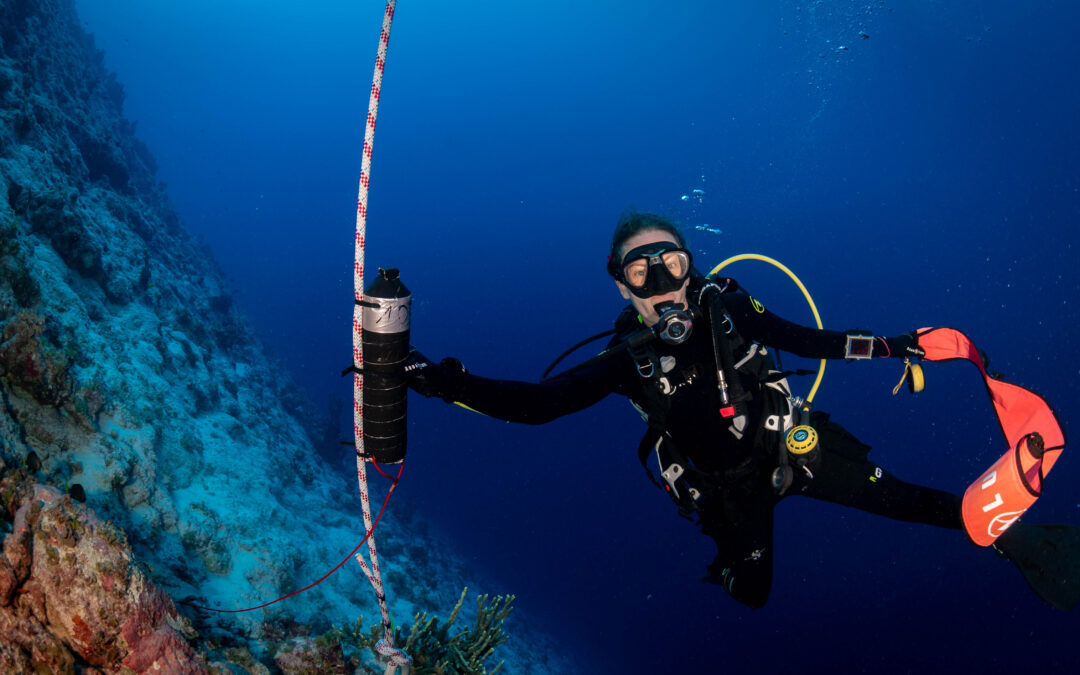
Seahawk is on a mission to help researchers and advance the protection of sharks. In 2021 we  began our involvement with Operation Swimway and partnered with researchers to tag 4 Tiger sharks and deploy 10 electronic receivers underwater to detect the transmission of the tagged sharks. Each receiver is an electronic device capable of detecting acoustic signals from the tags; it is encased in a waterproof canister that is about the size of a 1 litre water bottle, and affixed to the ocean floor by a rope attached to a chain at the base and a buoy at the top to keep it upright in the water column. To learn more about this endeavour,  check out our mission log  from our last trip in 2022 to French Polynesia.

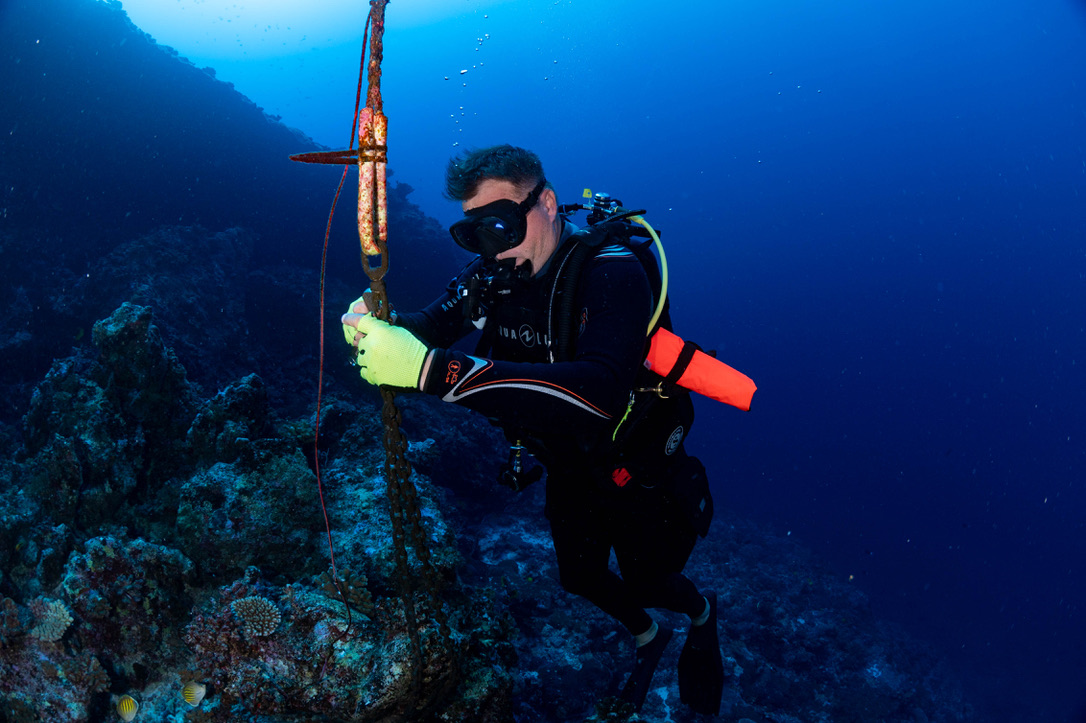
Diver removes shark tag reciever

Fast forward 2 years and Seahawk is back cruising around the stunning Tuamotu Islands, French Polynesia in March 2024. Along with our excellent guides Rodolphe and Sébastien, Tahiti Private Expeditions, the dive team followed the GPS coordinates of the receivers and set out to retrieve them. The team strategically planned each dive to navigate strong currents, shifting tides, and depths up to 35 meters to dismantle the chains, buoys, and collect the receivers with 2 years of crucial data about the sharks’ movements.  

Kayaking in the mangroves in Bouraké Lagoon

After the retrieval mission was complete, Seahawk sailed back to Tahiti and returned the canisters to the research team at IREMP so that they could analyse the sharks’ movements over the past 2 years. They learned some fascinating information about the local tiger sharks, which atolls they tend to prefer, which ones they didn’t visit, and which passes they frequented. Because of this information learned, the research team decided to focus their next data collecting mission on one unique atoll called Tahania atoll. This spot was chosen because tiger shark activity was detected here, and it is uncommon for an atoll to have 3 separate passes that allow water and marine life to flow in and out of the lagoon with each changing tide.  

Along with researcher Clémentine Séguigne, and our experienced local guides, Seahawk helped deploy 6 new receivers at Tahania atoll. The receivers were strategically placed on the outside corners of each of the 3 passes to get the best chance of detecting a ping from a tagged tiger shark. Clementine found that the best chance for data collection would be at a deeper depth, so we deployed each receiver at a depth of 30-40 meters. The team had to work quickly at these depths and pay careful consideration to their no decompression time limits, but once the receiver was successfully installed, and the GPS coordinate marked, there were high fives and celebration all around! We look forward to learning more about the tiger shark movements around Tahania Atoll. 

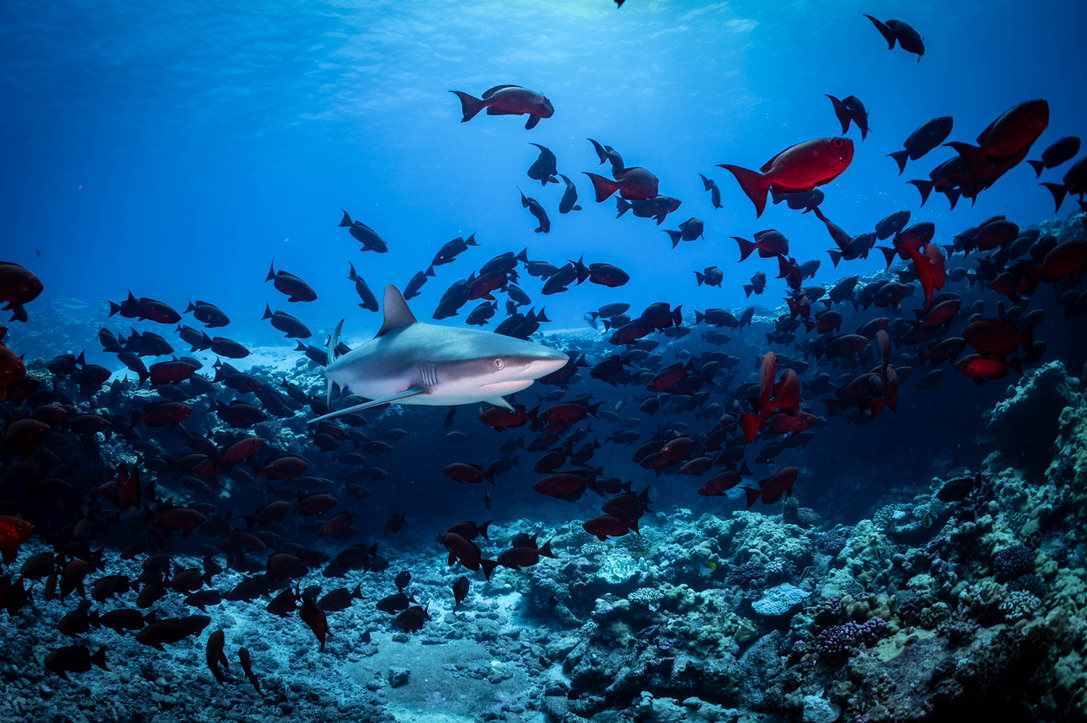
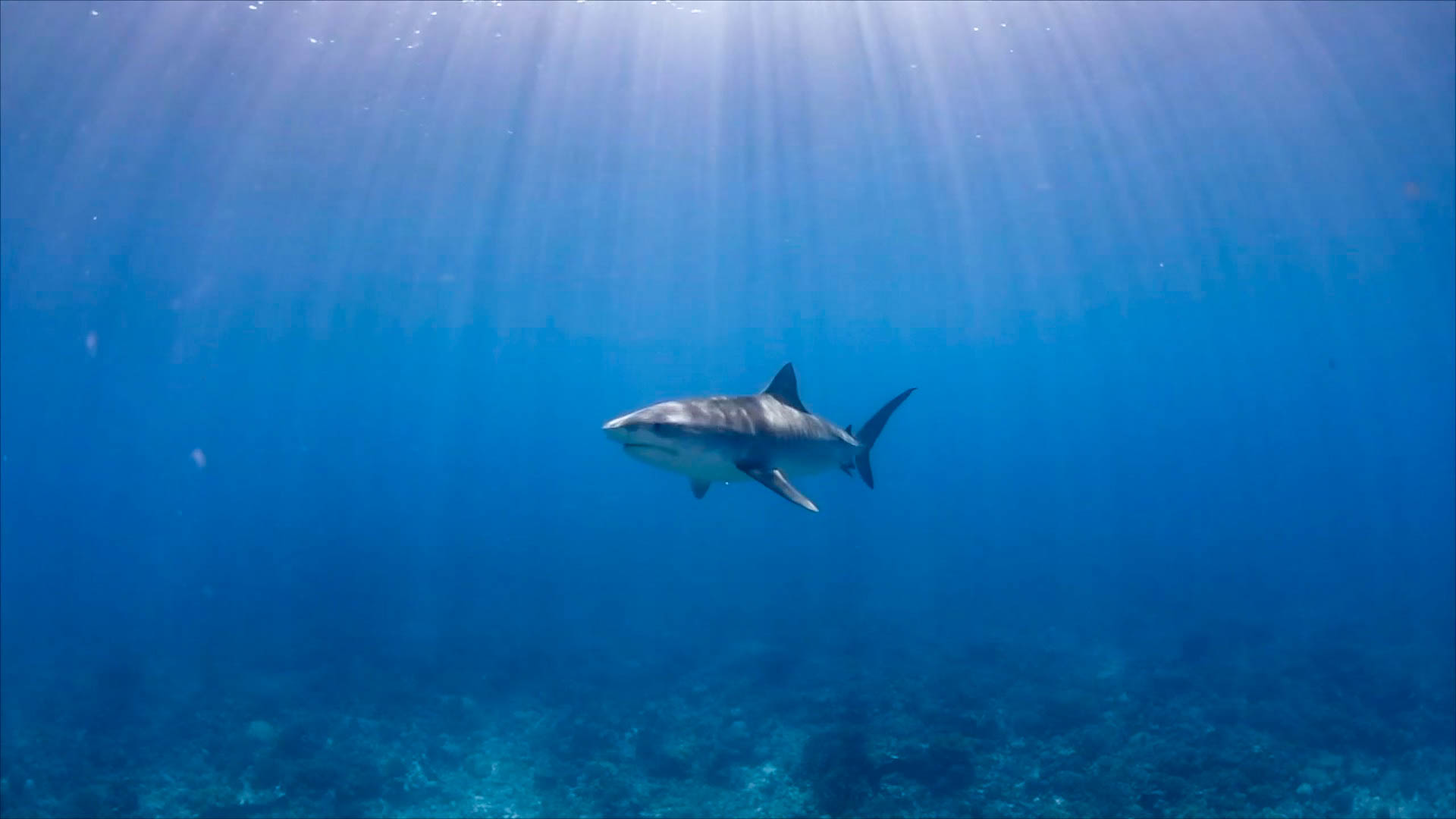
Tiger Shark swimming in clear blue water with sunbeams coming from above

Through all these efforts, the ultimate goal is to better understand the tiger shark movements and ecology so that the researchers can propose MPAs to the local government and protect the crucial habitats for the species. Seahawk is one vessel able to provide support to researchers conducting field work in these remote locations. Through nonprofits like Yacht Aid Global, the hope is that other vessels will become involved in similar projects, all part of the greater effort to preserve the world’s oceans.  

French Polynesia – Makemo Arikitamiro Primary School Computer Learning Project

French Polynesia – Makemo Arikitamiro Primary School Computer Learning Project

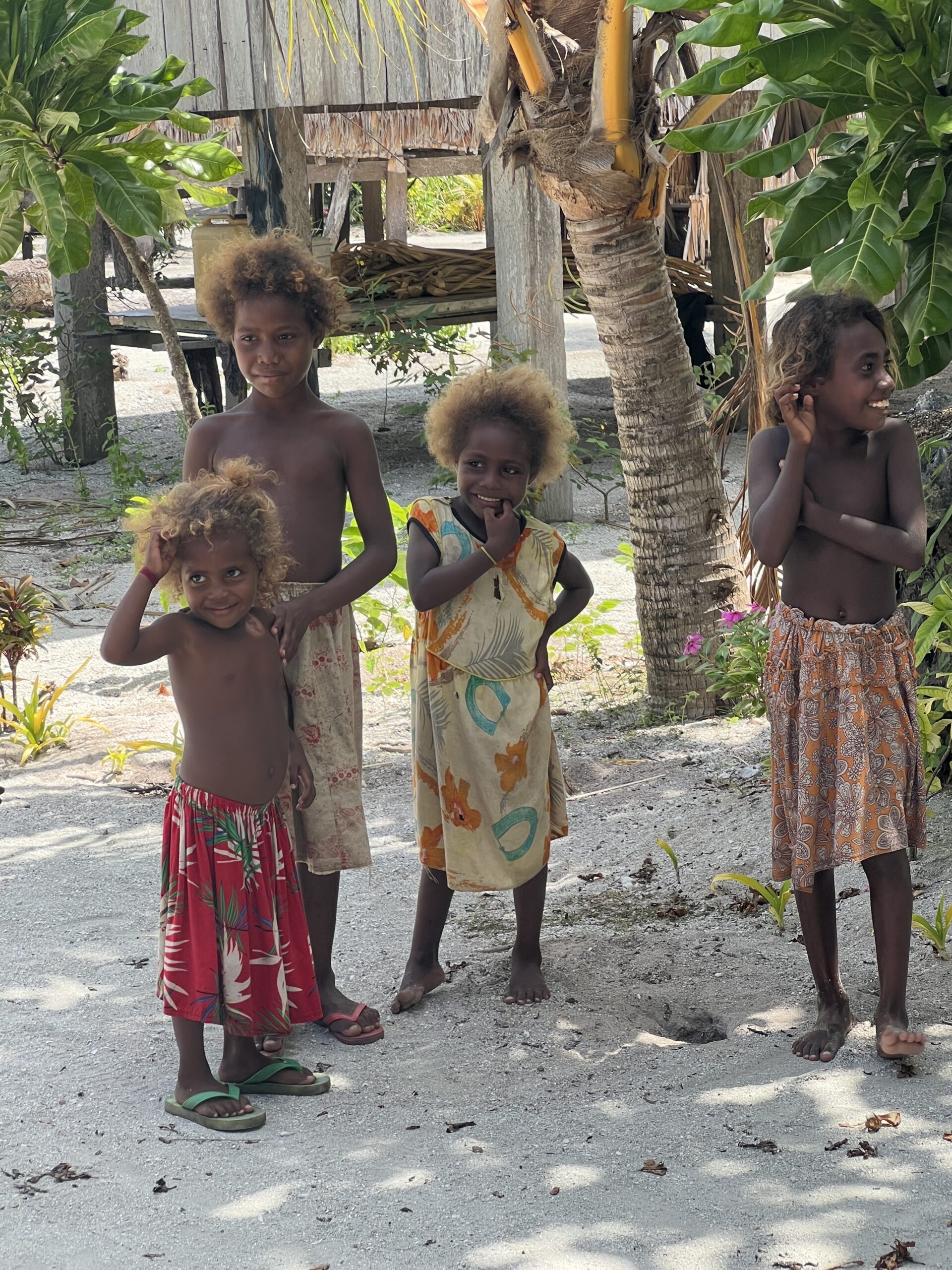
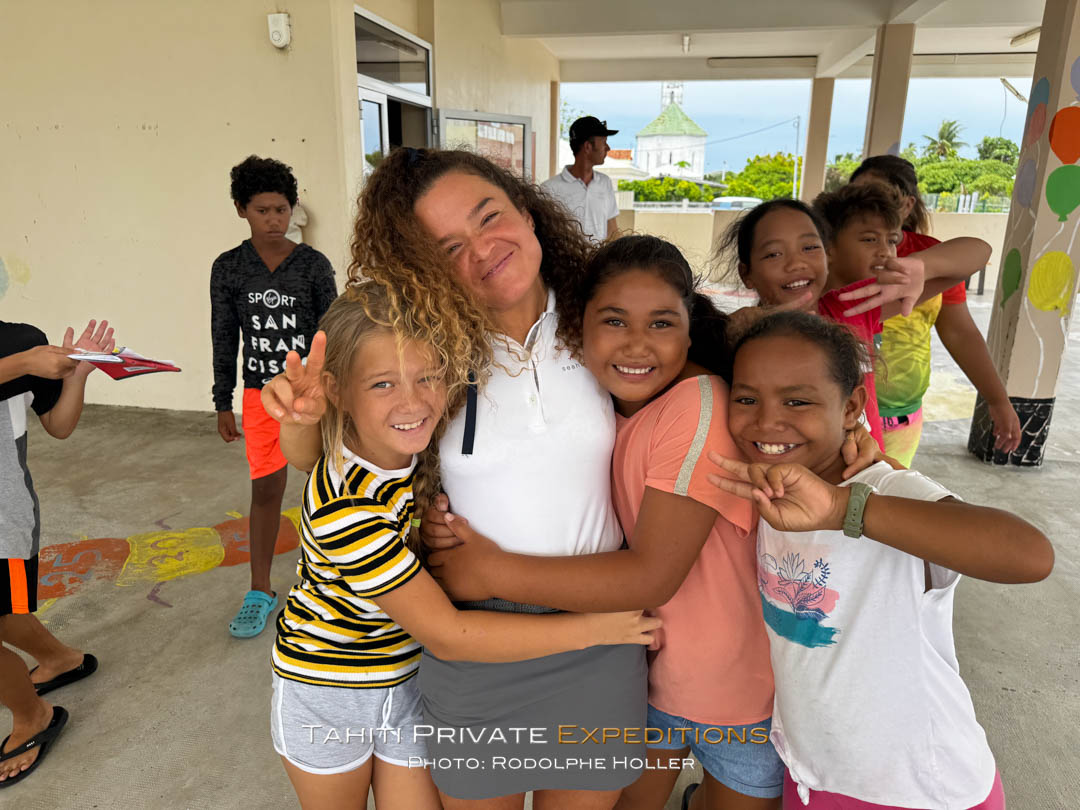
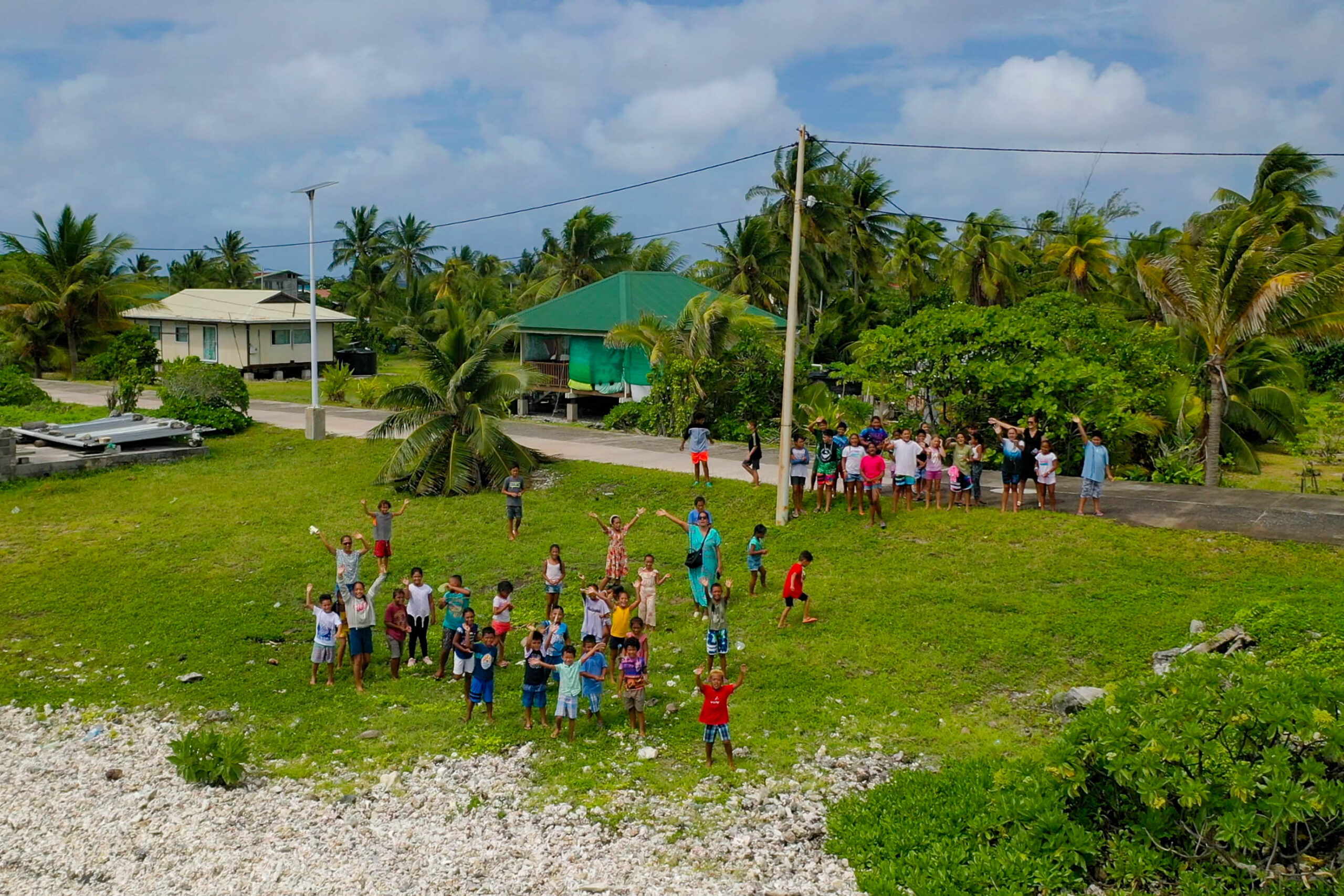
As Seahawk’s 2024 exploration of French Polynesia comes to a close it should be noted that the archipelago is much more than a beautiful natural wonder. Our time here has indeed been magical due to the splendor of so many lush tropical atolls, each offering its own amazing and often unique underwater vista. But the charm of the Tuamotu and other island groups we have visited here in French Polynesia is also reflected in its people, especially the children. Despite the challenges of island life, and there are many, the generosity and warmth extended to visitors enjoy few equals.

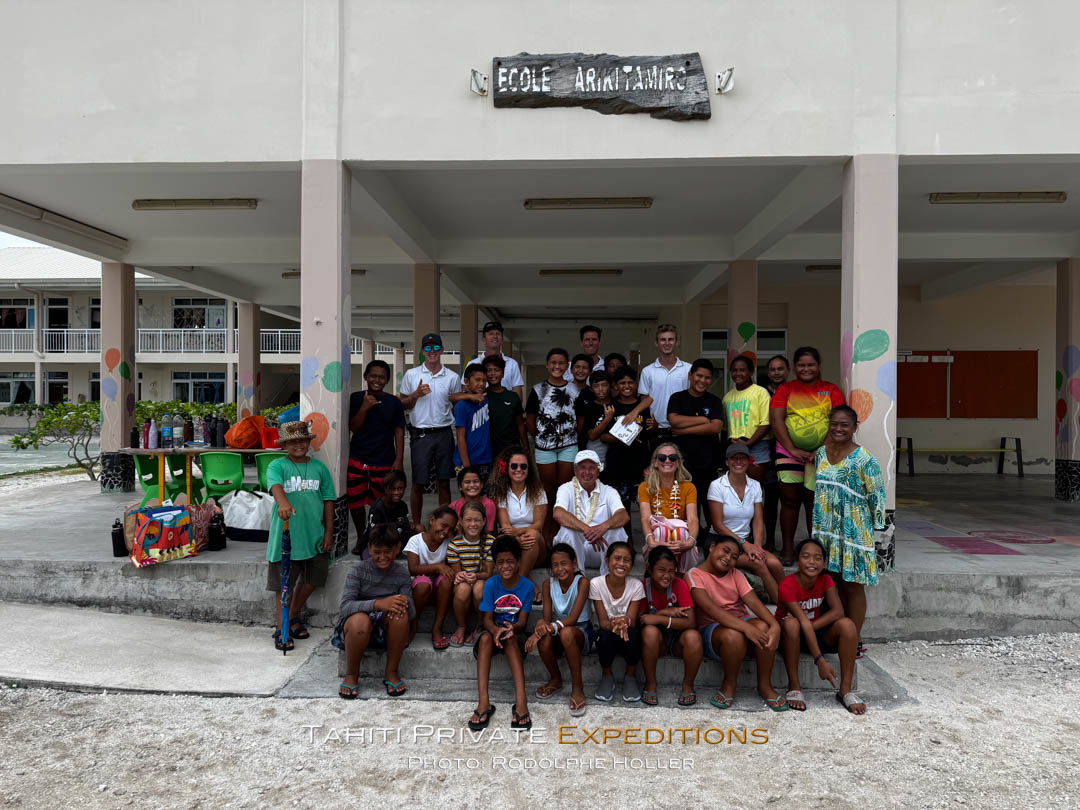
Makemo School Children

Seahawk’s repurposing for community outreach and the advancement of science affords many interesting and rewarding experiences. The shark migration work in particular has delivered a unique insight into the amazing biodiversity of the world’s oceans. The hope, of course, is that beyond satisfying curiosity these new understandings will lead to better management of fish stocks and other ocean resources. But science by itself cannot address the impending collapse of the marine ecosystem. As custodians of seas what happens next will depend on what people, especially the next generation, decide to do. The sobering fact is that children in primary school today will likely determine the fate of world, at least in terms of climate and other life-giving resources. Hence the reason to do everything possible to give this new generation the tools needed to make good choices.

Photo by Rodolphe Holler

Seahawk has supported many island communities as part of an effort to better equip this next generation with the knowledge to be careful and prudent custodians. While the ultimate outcome is not known, the hope is that an improved skillset will lead to both greater personal success and better decision making for the local communities and beyond. The idea roots to an assumption that everything begins locally before transcending to something bigger. In essence a collective wisdom is born once local concerns are addressed.

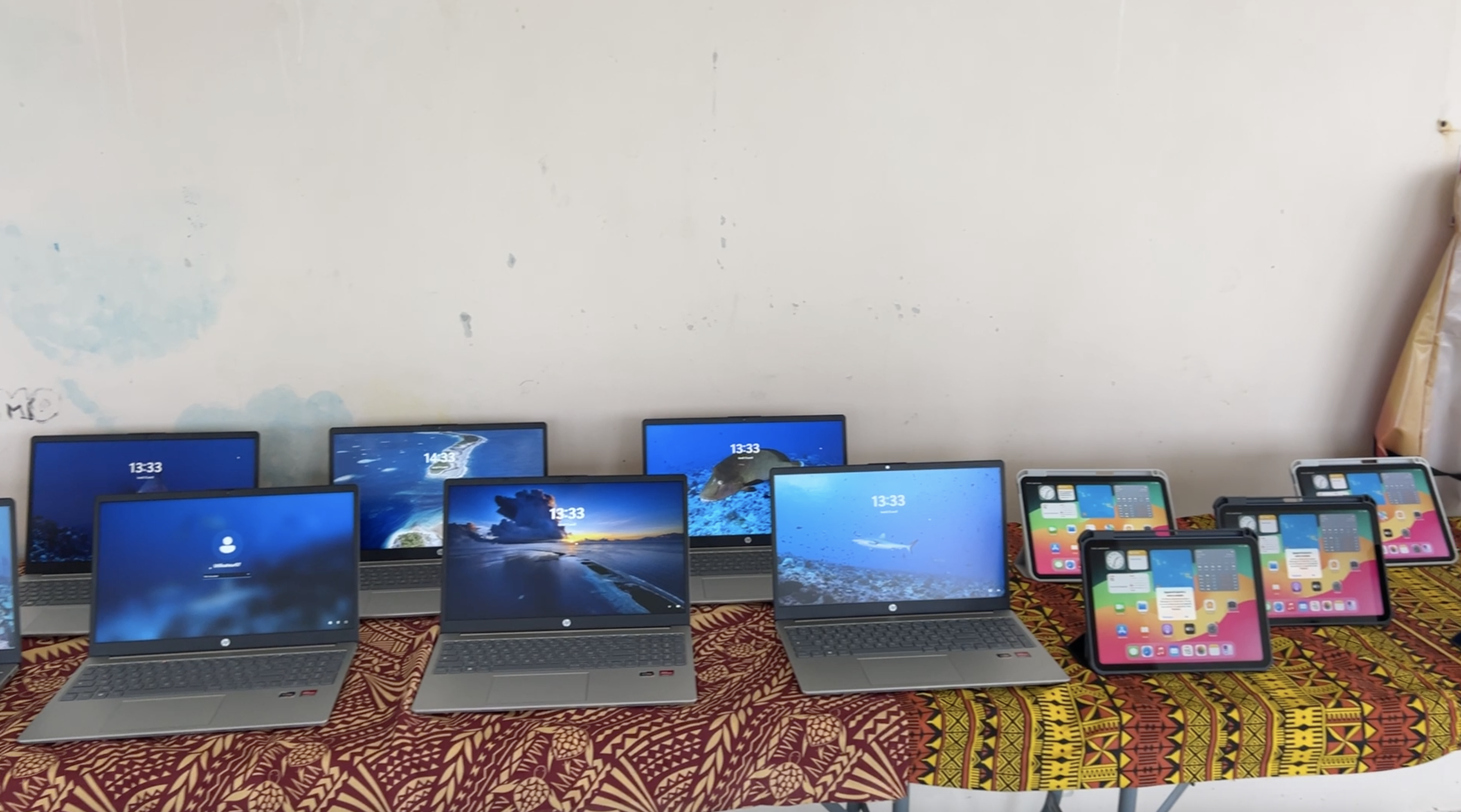
Computers and iPads

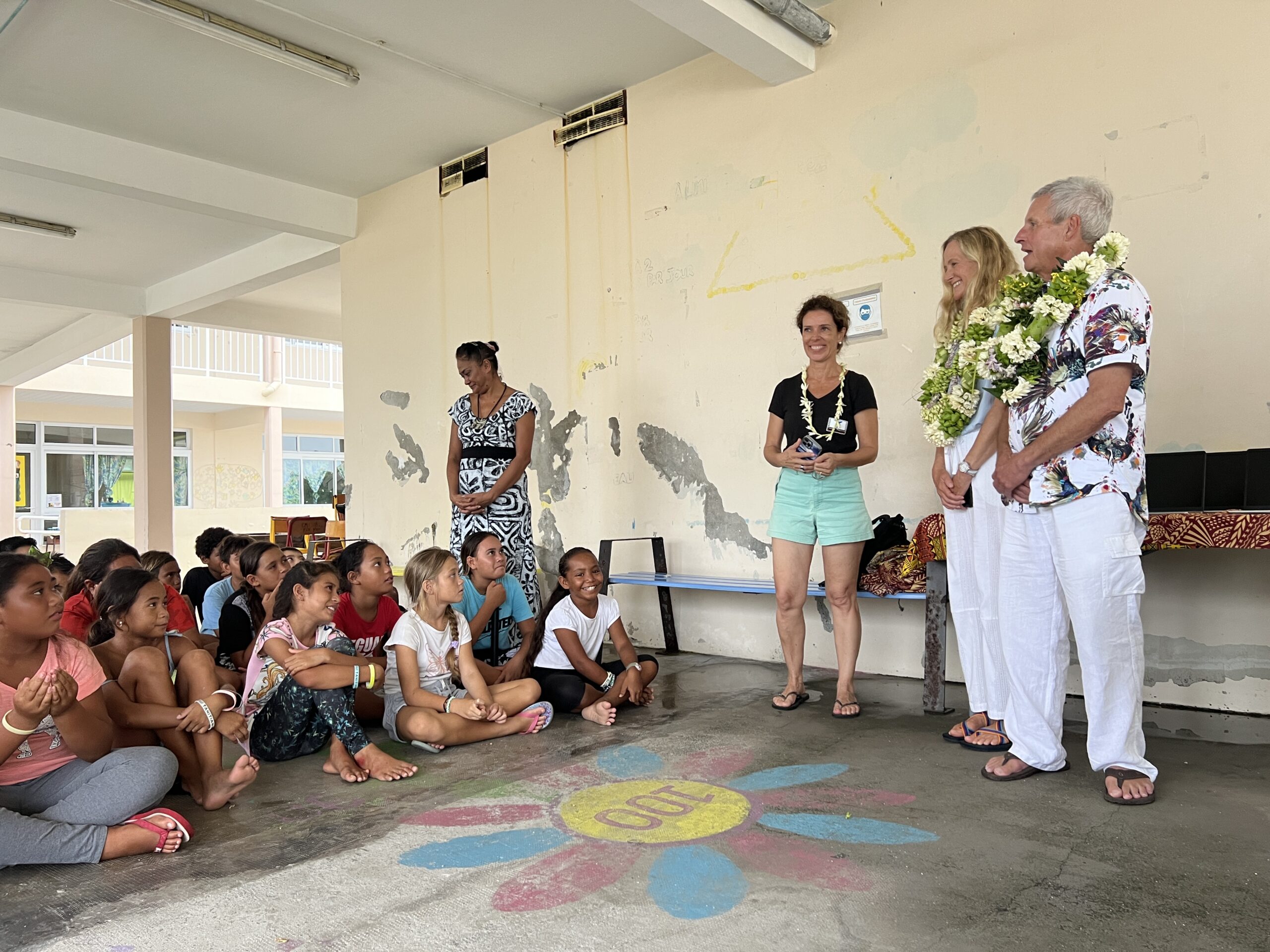
In this spirit, and in combination with Yacht Aid Global, Tahiti Private Expeditions, the Government of French Polynesia, and Seahawk Enterprises, I present Seahawk’s latest endeavor, the Makemo Arikitamiro Primary School computer learning project. If successful, primary students attending Arikitamiro school will acquire a practical understanding of modern PC and Apple based technology. More is more when it comes to being both aware and expert in the subject. Those in command of the information, able to communicate that knowledge effectively, will determine the final outcome.

Photo by Rodolphe Holler

Written by: Adam Alpert

To learn more about projects like this, and how you can get involved, please visit: https://yachtaidglobal.org/ 


French Polynesia – Plastic Odyssey

French Polynesia – Plastic Odyssey

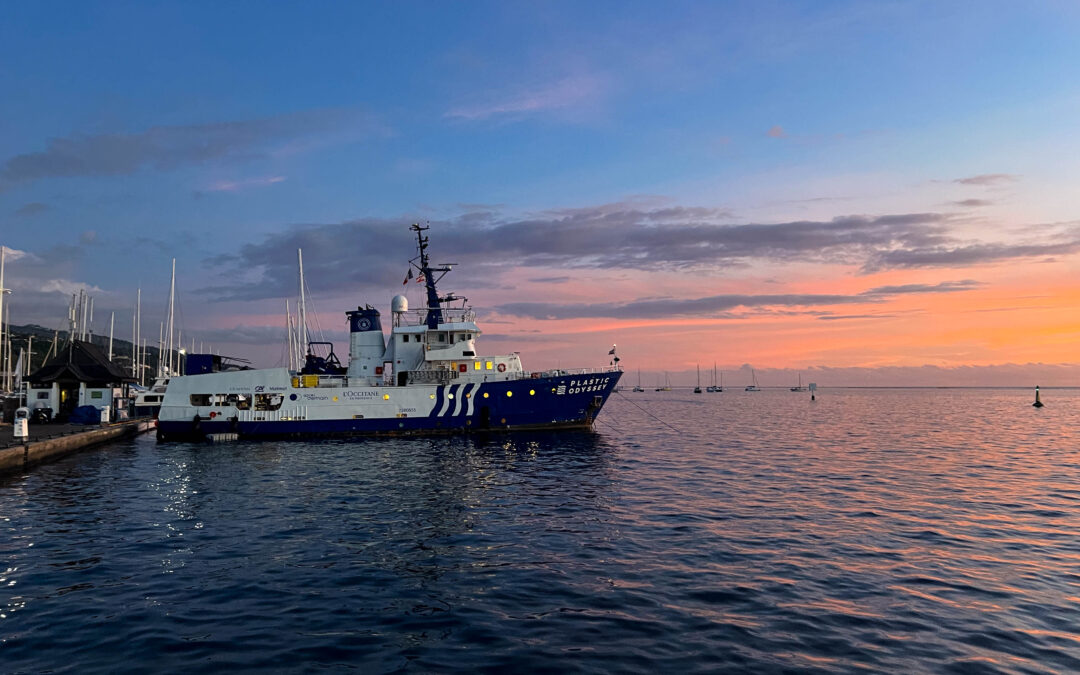
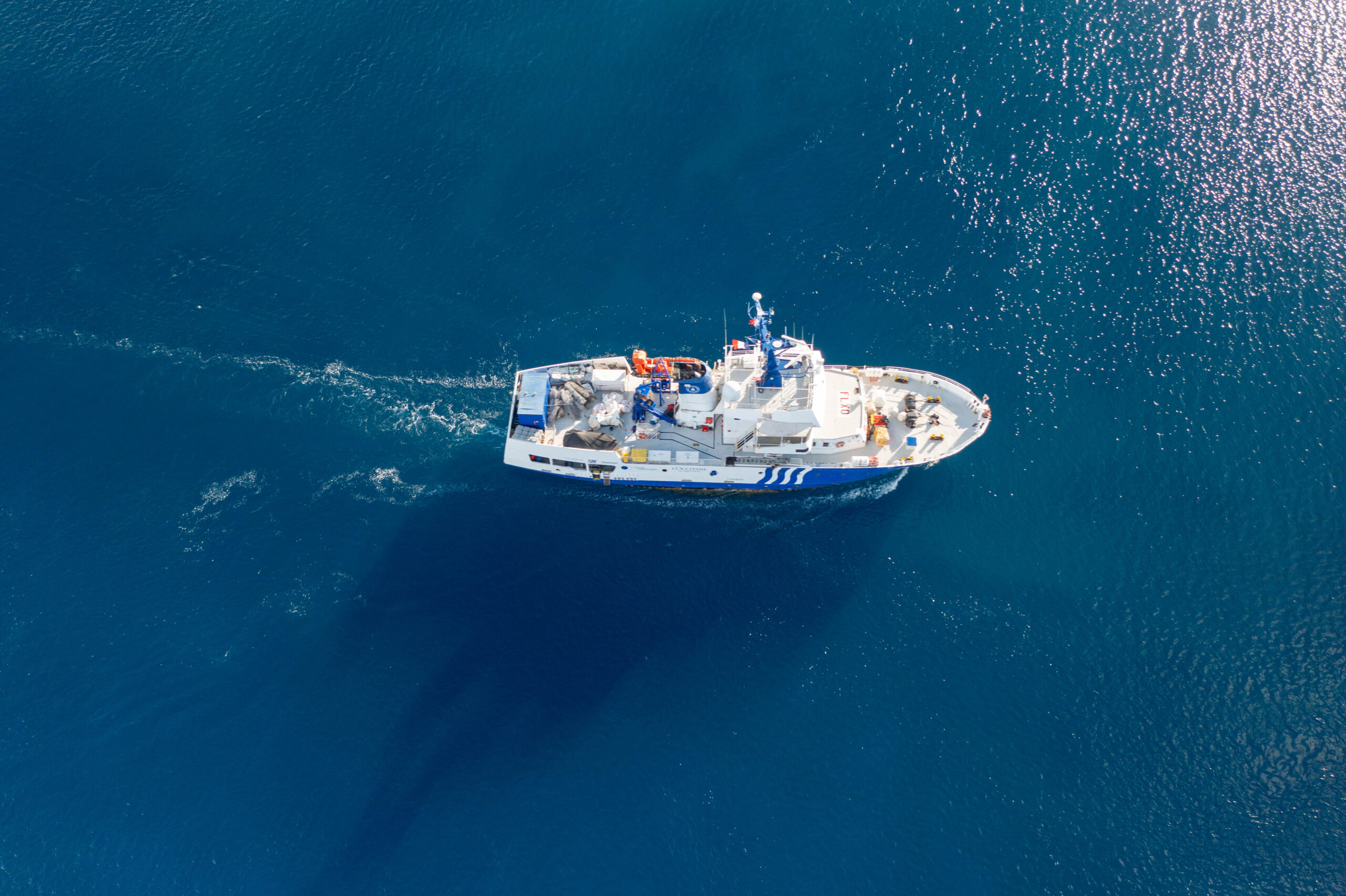
“If we do nothing there will be more plastic in the ocean than fish by 2050.” This is the problem/scary prospect the Plastic Odyssey expedition is trying to address. Specifically, there is a need for a practical solution to the plastic waste problem that is both economically viable and self-sustaining. The idea at its heart is to develop a recycling technology that is simple to implement and easy to operate in places where plastic waste accumulation is most severe. Think third world countries that have few regulations and much consumption of plastic contained products. Senegal, a country experiencing extreme plastic pollution of its coastline already has a facility in place. Key to success, however, is that the recycling enterprise must be profitable to work. Hence the focus on recycling manufacturing designs that are inexpensive to produce and maintain. And this is not just about cleaning up beaches. The result is an economically viable product, e.g., beams, roofing tiles, specialty molded parts, that can be sold on a competitive basis to local consumers.

Plastic Odyssey

S/Y Seahawk was introduced to the Plastic Odyssey team in Monaco coincident with the Royal Yacht Club of Monaco La Belle Class Superyacht Awards. S/Y Seahawk won in the category of “Adventure and Environmental Ethics”. It was at this event that Nicola Watton, Chief Stewardess, receiving the award on Seahawk’s behalf, met Plastic Odyssey’s CEO, Simon Bernard. Her introduction led to the tour of Plastic Odyssey during our visit to Hao French Polynesia.

Plastic Odyssey Hao Pass

The Plastic Odyssey team acknowledges that reduction/elimination of plastic waste entering the environment is an existential challenge. In the interim, boutique recycling systems like those demonstrated on the vessel could serve to mitigate until a more proactive solution is adopted.

To learn more about Plastic Odyssey, visit their website at: https://plasticodyssey.org/en/ 

Written by: Adam Alpert

New Caledonia – Cruising Around Noumea

New Caledonia – Cruising Around Noumea

Seahawk left New Zealand in August 2023 after finishing the 10-month refit it went under in Auckland. It was exciting to say goodbye to the city and re-start our navigation program. It had been waiting for way too long!

Our first stop was Noumea, New Caledonia. Home to the second-largest reef system in the world after the Great Barrier Reef, New Caledonia is renowned for its rich biodiversity of fish and coral structures, and it hosts some of the healthiest reefs in the world.

An Octopus on top of Prony Pinnacle in New Caledonia's Prony Bay

The first trip of the year would take around two months and it would be a circumnavigation of the country, in search of pristine coral reefs and new landscapes. Seahawk was also going to take part in a new science mission organised by YachtAid Global to support researchers in their study of migration patterns of manta rays and leopard sharks in certain parts of New Caledonia. As the regional marine wildlife faces environmental threats from mining, commercial fishing and climate change, further research and conservation is necessary to protect this unique part of the world.

But as so many know, when it comes to boats, plans often change quickly and one must adapt to new circumstances. A combination of some mechanical, weather and personnel issues arose during our cruise, which required us to restrict our trip and head back to Auckland. This advanced our schedule for finishing some necessary warranty work before heading further north.

As described in the owner’s log:

High on the list of mechanical worries was the failure of the rescue tender’s crane system. The rescue tender, a Pascoe diesel craft, is heavy, hence the need for a fairly robust crane assembly. Further, the reef area where the science activity was to take place has very little protection and poor anchorages. While there is an improvisation that leverages the mizzen boom for Pascoe deployment, leadership determined that this system would not be sufficiently robust in the event of a worst-case combination of poor weather and some other kind of emergency that would demand the need to deploy expeditiously. I would note from experience captaining aircraft that often big problems/accidents result from a chain of events. It is rarely one thing. There is truism in flying I can paraphrase: “I would rather be on the ground wishing I had taken flight than in the air wishing I had remained on the ground”.

Seahawk in New Caledonia

However, as short as our time in New Caledonia was, we had the opportunity to cruise for 10 days in the southern part of the region, during which we visited some beautiful dive sites and explored some of the land.

During our dives, we witnessed New Caledonia’s thriving marine ecosystem. Calling it “Green Turtle Paradise” would not be an exaggeration. Or maybe we got lucky with the amount of sightings of these animals. Sea snakes have also found a haven in many of the small islands we visited. Manta rays, humpback whales and even a dugong cruising in the bay of Anse Vata were also some of the exciting sightings, as well as the endless amount of fish and the explosion of colour in the coral systems we visited.

On the other hand, we found concerning the news regarding the shark culling that is ongoing in the country, a response to some attacks that occurred earlier in the year. As some of the targeted species (tiger sharks and bull sharks) remain vulnerable, such a controversial action raises a lot of questions about the future of these animals and the ecosystems in the region. Sharks play a vital role in the health of the marine environment, and culling campaigns haven’t shown to be an effective way of tackling the problem regarding shark attacks. As some environmental organisations have raised their concerns about this practice, it is hoped that a better solution will be brought to the table when it comes to this matter.

Noumea beaches were closed due to recent shark attacks

As for our little expedition, we experienced many diverse landscapes in a relatively small cruising area of the island. From the paradise that is Amédée Island to the dark red hills of Prony and the mangroves of Bouraké, we are still curious to see what the rest of the country looks like. Hopefully, we will be back someday and finish what we started.

For a taste of what Seahawk has been up to in New Caledonia, you can watch the latest video made by Kari Morgan, our dive instructor and videographer on board.

Kayaking in the mangroves in Bouraké Lagoon

References

Chahrazade Douah (2023, August 18th). Outcry in New Caledonia Over Shark Culls and Net Plans Despite Attacks [Article]. Retrieved from https://amp.theguardian.com/world/2023/aug/18/outcry-in-new-caledonia-over-shark-culls-and-net-plans-despite-attacks

Pew Charitable Trust(2021, June 4th). New Caledonia’s Marine Ecosystem, Among the Healthiest on Earth, Deserves Stronger Protection. [Article]. Retrieved from https://www.pewtrusts.org/en/research-and-analysis/articles/2021/06/01/new-caledonia-marine-ecosystem-among-the-healthiest-on-earth-deserves-stronger-protection

Unesco WHC (2018). Lagoons of New Caledonia: Reef Diversity and Associated Ecosystems. Retrieved from https://whc.unesco.org/en/list/1115/