Costa Rica – Cocos Island

Costa Rica – Cocos Island

Cocos island, as described by Jacques Cousteau to be the most beautiful island in the world, was a wild adventure for those on board during the 5 days we spent in the region. 300 NM from the nearest coast, Seahawk arrived after navigating for two days from its last position in Costa Rica.

The island looked as breathtaking as all the stories it inspired over the years said. The deep green of the vast tropical forest contrasted against the hundreds of waterfalls cascading off cliffs all around the island, making it look as if it was bleeding out, only to be covered by the heavy rains that keep this magnificent ecosystem flowing.
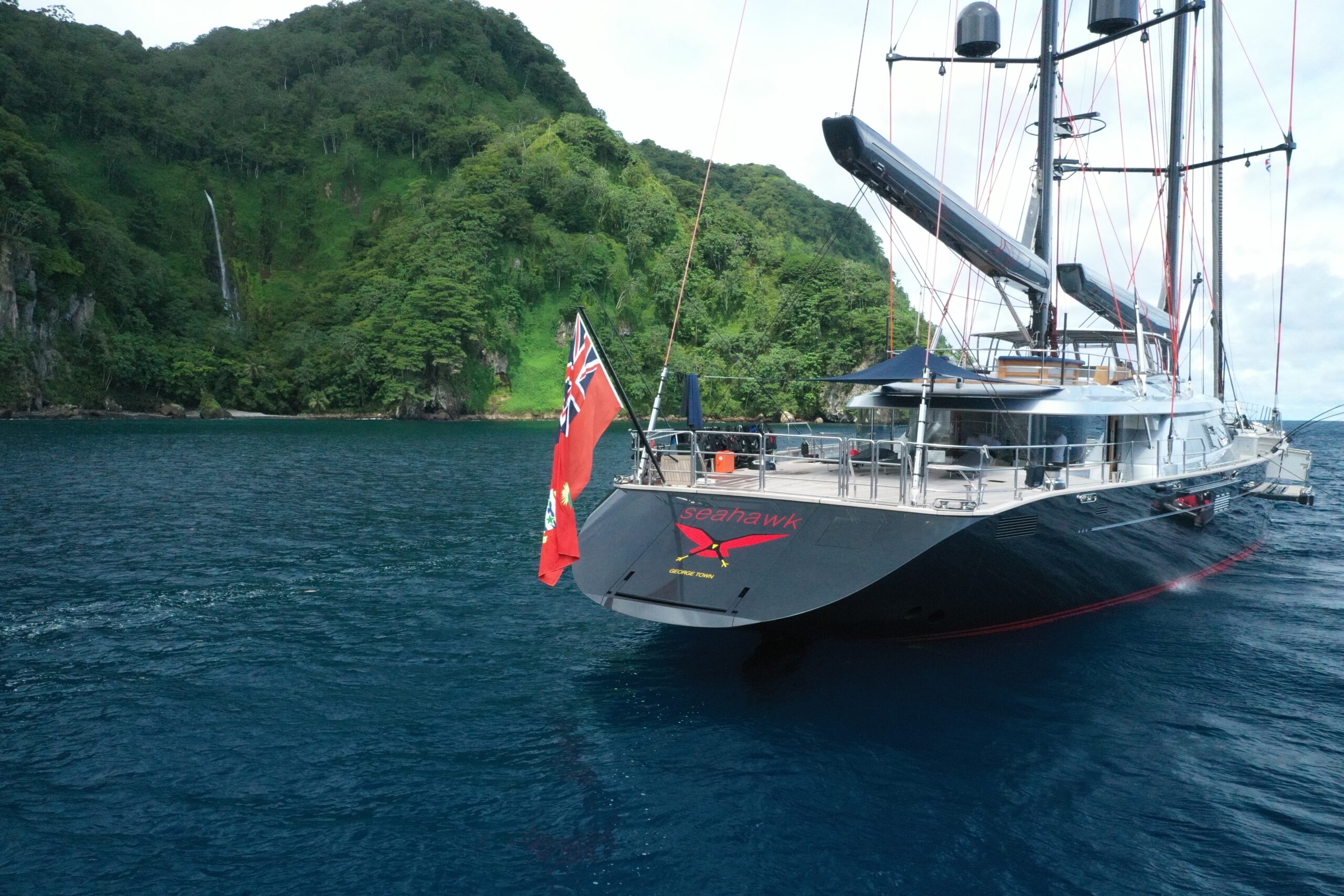
Located in the eastern tropical Pacific, Cocos National Park could appear to the eye as an island in the middle of the ocean, like an oasis in the middle of a desert. But Cocos is just the tip of an iceberg in a region surrounded by seamounts and connected by underwater ridges and ocean currents to other biodiverse regions such as the Galapagos and Malpelo.

One thing was clear when we arrived in Cocos: we knew that it was a unique place, a place one doesn’t get the opportunity to go to often. The remoteness of the area and the permits needed make it inaccessible for most people. So taking advantage of our short time there, we conducted 3 dives each day along with multiple visits to the island’s shoreline and interior; a full power effort indeed.

Guiding us on this adventure we had Roberto Cubero. Roberto was a park ranger at Cocos years ago, spending months at a time living on the island and getting to know every corner of it. Now a local guide for Cocos and owner of his own dive shop, he welcomed us to his former station, taught us about the history of the island (one that includes pirates and hidden treasures), and took care of us on the many dives we did there.
Cocos is not for the faint-hearted. The currents that make this region thrive with all kinds of marine life also portend a wild and sometimes hostile environment for divers.

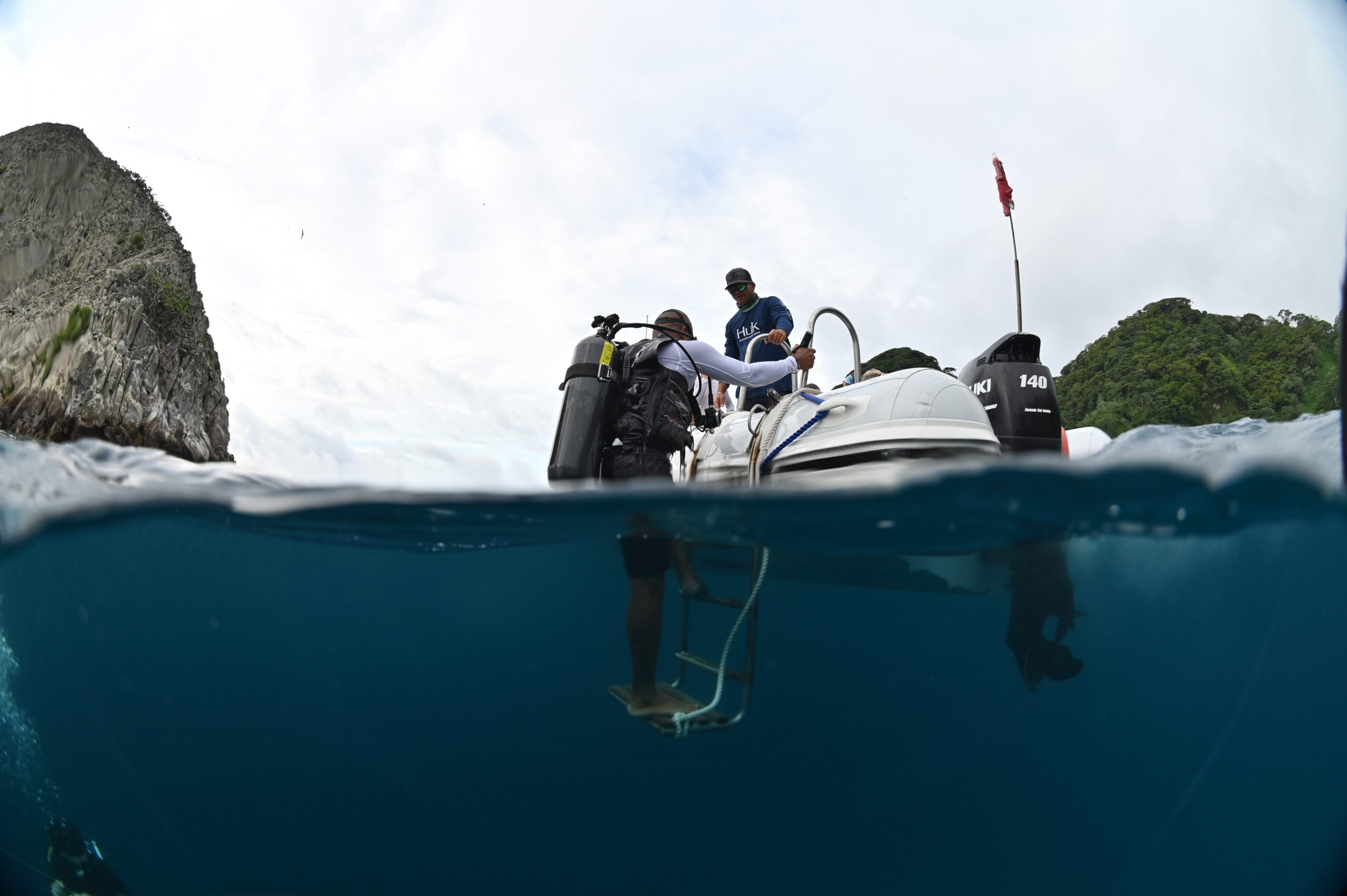
All dives in Cocos follow the same principle; everyone enters the water simultaneously, descending to the bottom as fast as possible. The concern is that the strong current at the surface risks the possibility of divers getting swept away into the open ocean.
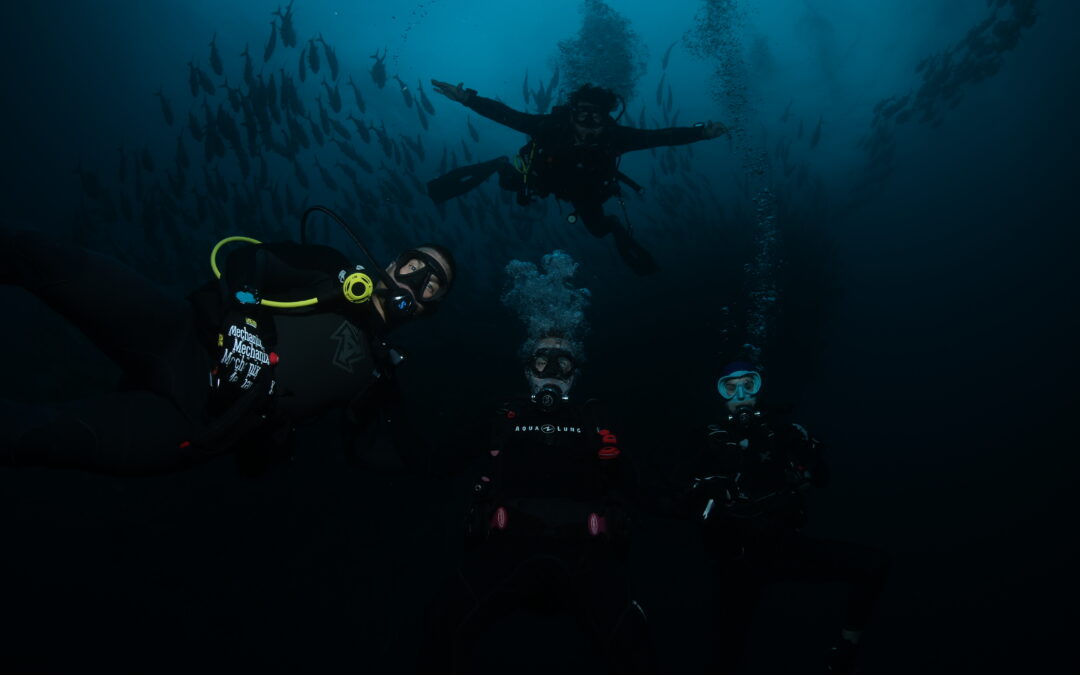
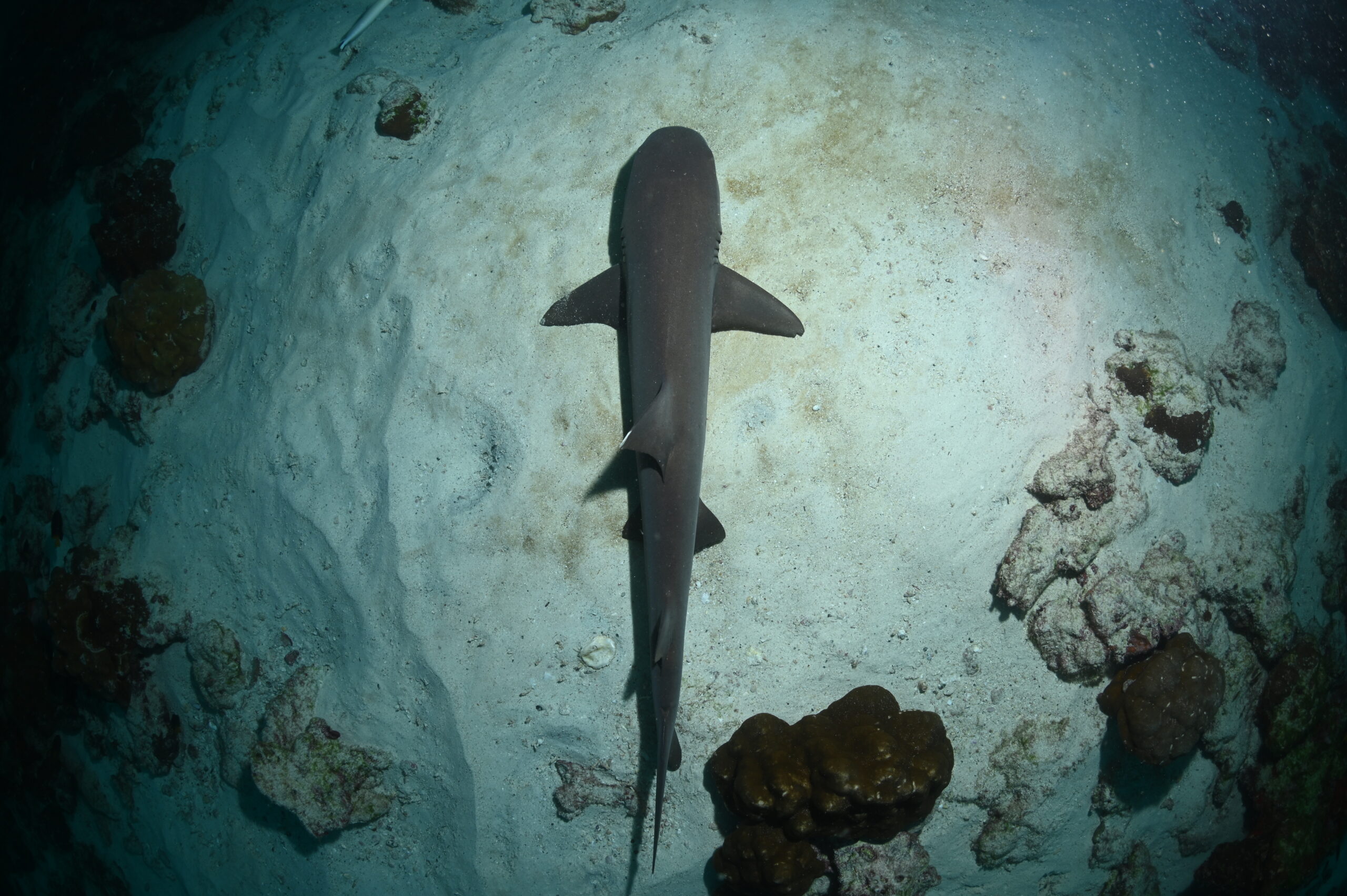
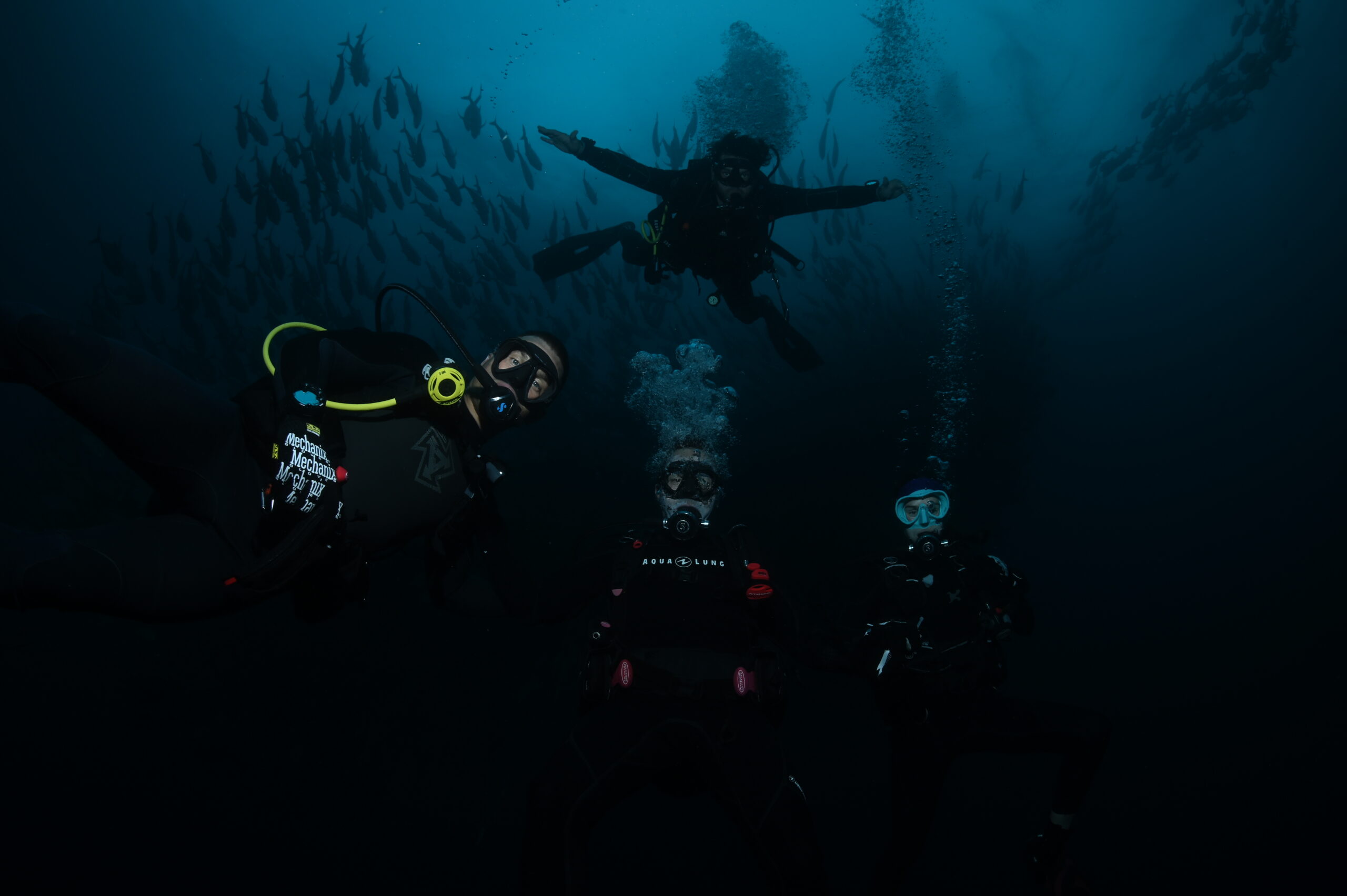
Among Seahawk’s crew and owners, there are plenty of anecdotes about fighting currents and holding on to rocks at the bottom to avoid drifting away from the group. All added to the adventure, an adrenaline rush is enjoyed while diving among an abundant population of sharks (galapagos, silky, hammerheads, and others), huge schools of jacks and other species, with the spectacular topography formed by pinnacles, seamounts, and coral colonies serving as a backdrop.

The dive site called Dirty Rock is among the most rewarding and exciting. Named after all the guano that it’s covered in, Dirty Rock is one of the popular dive sites in Cocos, notorious for the school of scalloped hammerheads, thousands of jackfish, and a cleaning station where you can see many of the big fish engage with smaller ones for parasite removal. Here, the currents are very strong. And because the rock itself is only about 35 meters in diameter at the surface, successfully reaching a handhold at the bottom can be a real challenge, as being swept past the vertical walls that extend from the up-current side is a real possibility.

We definitely had some cortisol-producing experiences, as the one described by Seahawk owners,  on one particular day that they remember very well:

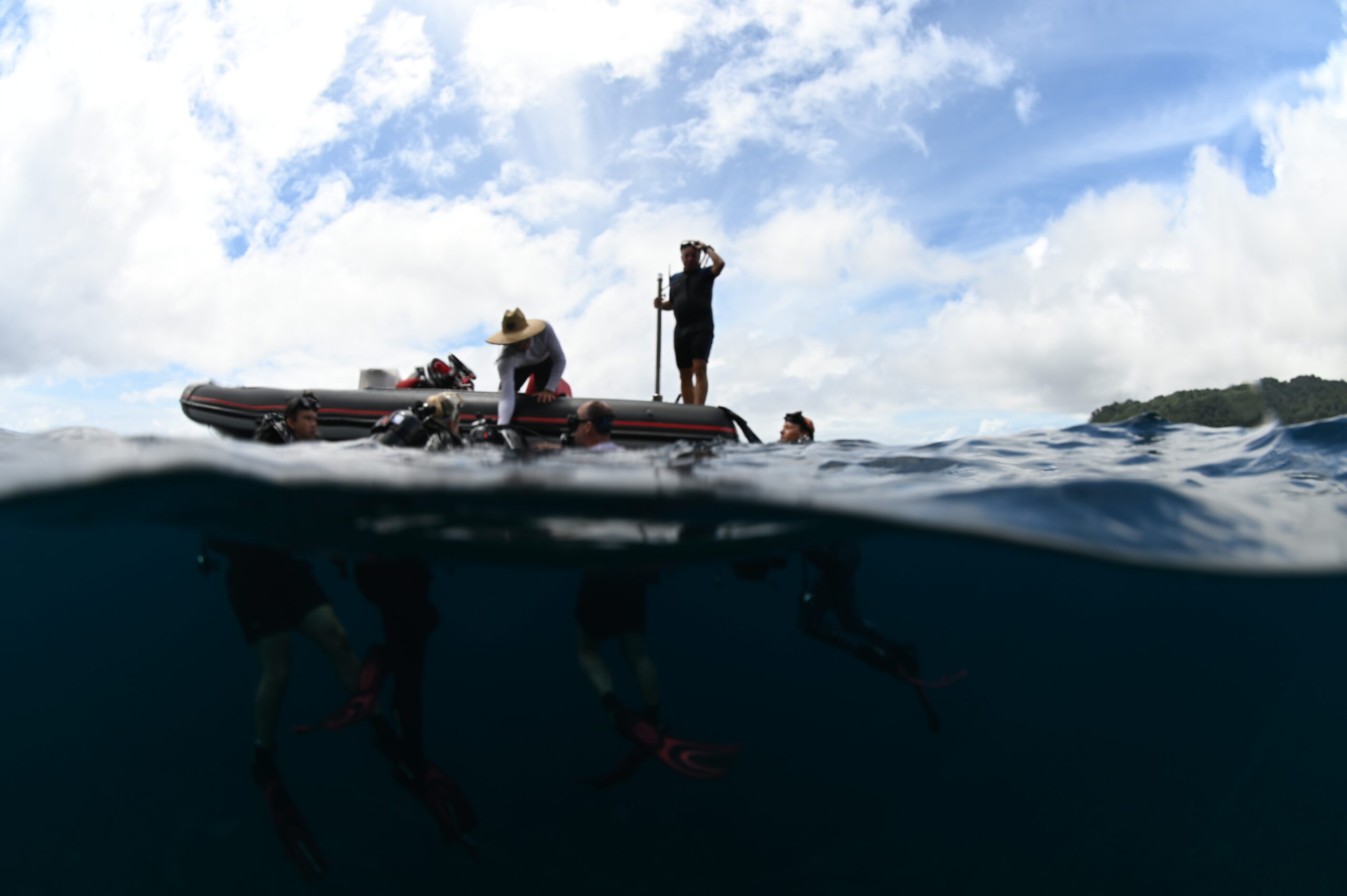
“Only once during our time in Cocos did I feel truly threatened. Like many Cocos dives, this one had the group drifting some distance from the drop-in point, rendezvous with the tender prearranged. Unfortunately, the coordinates given to the driver were wrong, so upon surfacing there was no boat to collect us, just open sea, and our many predator friends below.

Diving with apex predators including some shark species suggests a degree of risk. But should these animals be feared? it depends. Statistically, there are very few examples of sharks attacking humans, and even fewer cases involving divers. And applying mitigations like restricting dives to daylight can help. Observing near cleaning stations where parasite-eating Barberfish tend to calm the animal is also a good idea. Still, attacks involving divers, although rare, can occur, as in the case of one particularly grumpy Cocos resident tiger shark aptly named La Gorda (the Fat one). She was involved in a fatal accident with a visiting Cocos diver only a few years prior to our visit.

Swimming on the surface, even if practical, is a scary proposition in shark-laden waters. The sounds/images produced suggest prey to the sharks. Crinkling sounds like those made with an empty plastic water bottle being crushed are especially worrisome. Dying fish produce something similar. And keep in mind that sharks do not see that well. Shark attacks usually happen by mistake.

What really worried me though was our guide Roberto’s reaction to the tender being missing. “This is bad, very bad!” he said. “Where’s the boat?” If he is scared, perhaps I should be, too? The good news: it was day and the seas were relatively calm. Happily, both land and the yacht were in sight although quite far away. Theoretically, we could swim to the yacht or to shore. But the swim would be long, and likely provocative, an invitation for those lurking below. What to do?

Some divers including Roberto had reserve air. He immediately descended slightly below the group to keep guard while the rest of us bobbed quietly on the surface. For those with air remaining, the plan was to take turns guarding from below, one at a time until everyone’s air was exhausted hoping the tender would return in time.

The tender did eventually find us, and in reality, the wait was no longer than about 25 minutes, albeit a long 25 minutes.

The missing tender experience reminds me that even well-intentioned circumstances can turn quite desperate due to the smallest error or just plain bad luck. That swim would have been very exciting. Had it been night, out of sight of land in rough seas, lost, the outlook would have been grim. A cautionary tale for those wishing to explore the magnificent underwater world exemplified by Cocos. Be careful and consider carrying an emergency locator/transmitter as we now do on all Seahawk dives.”
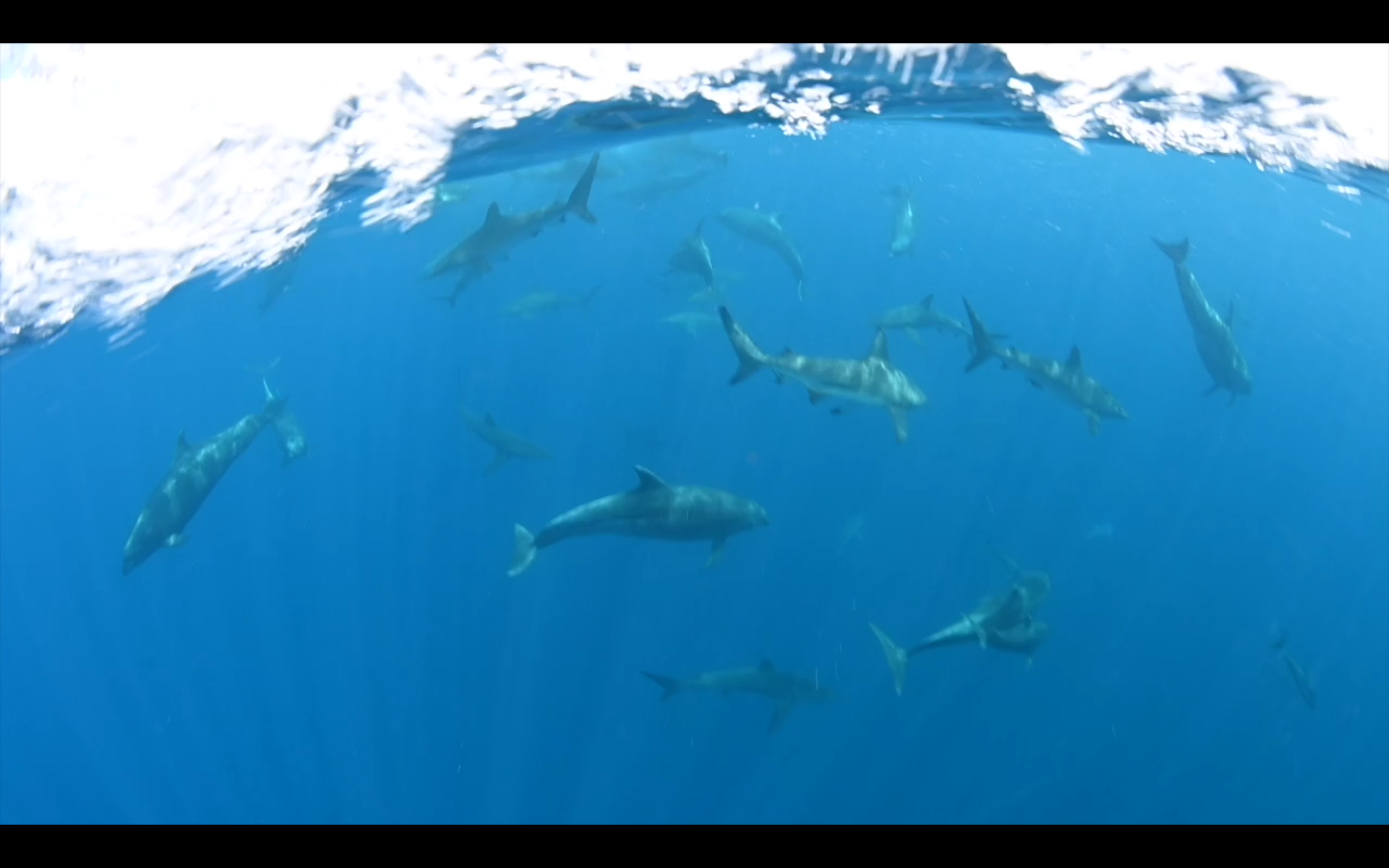
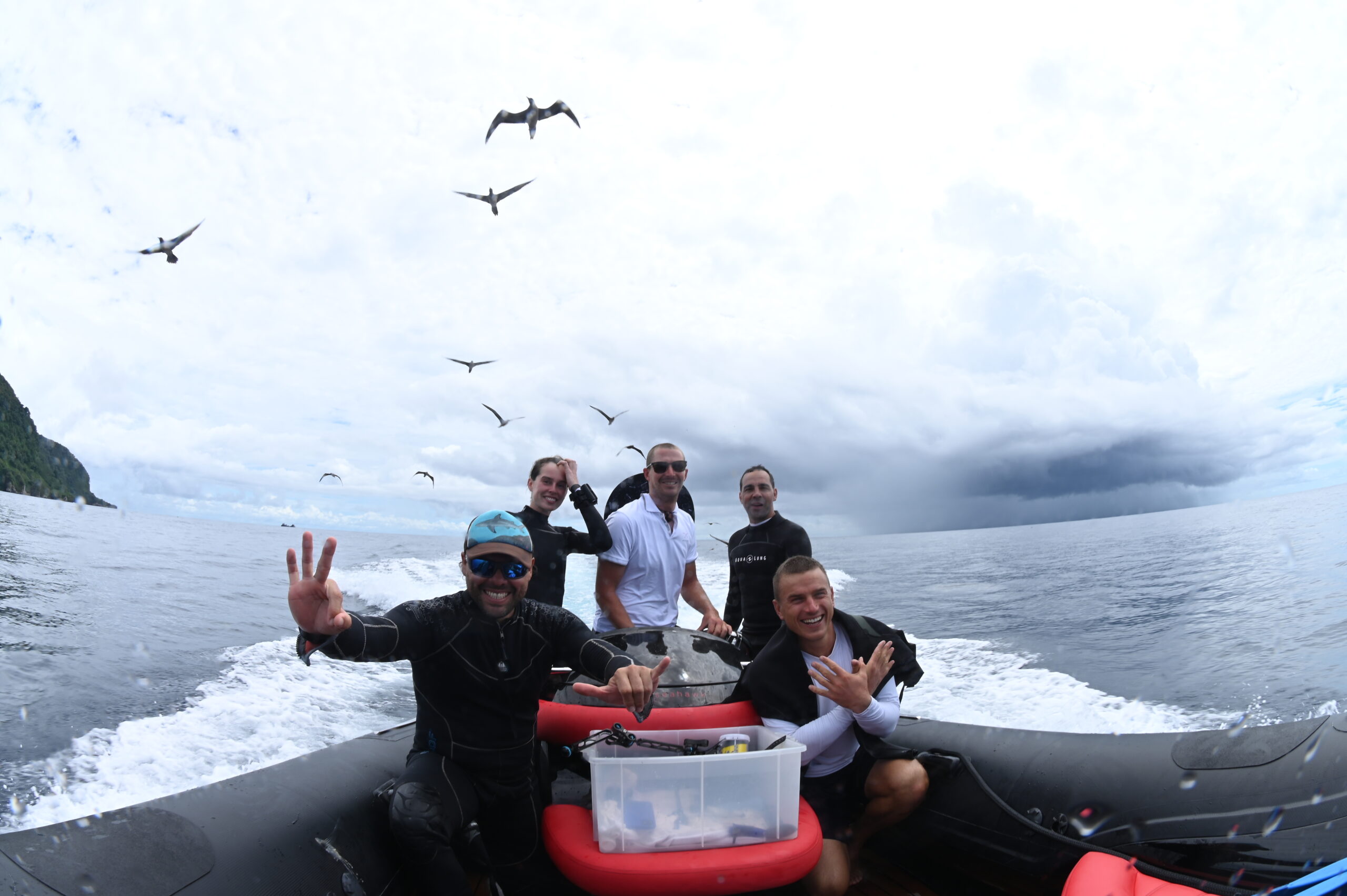
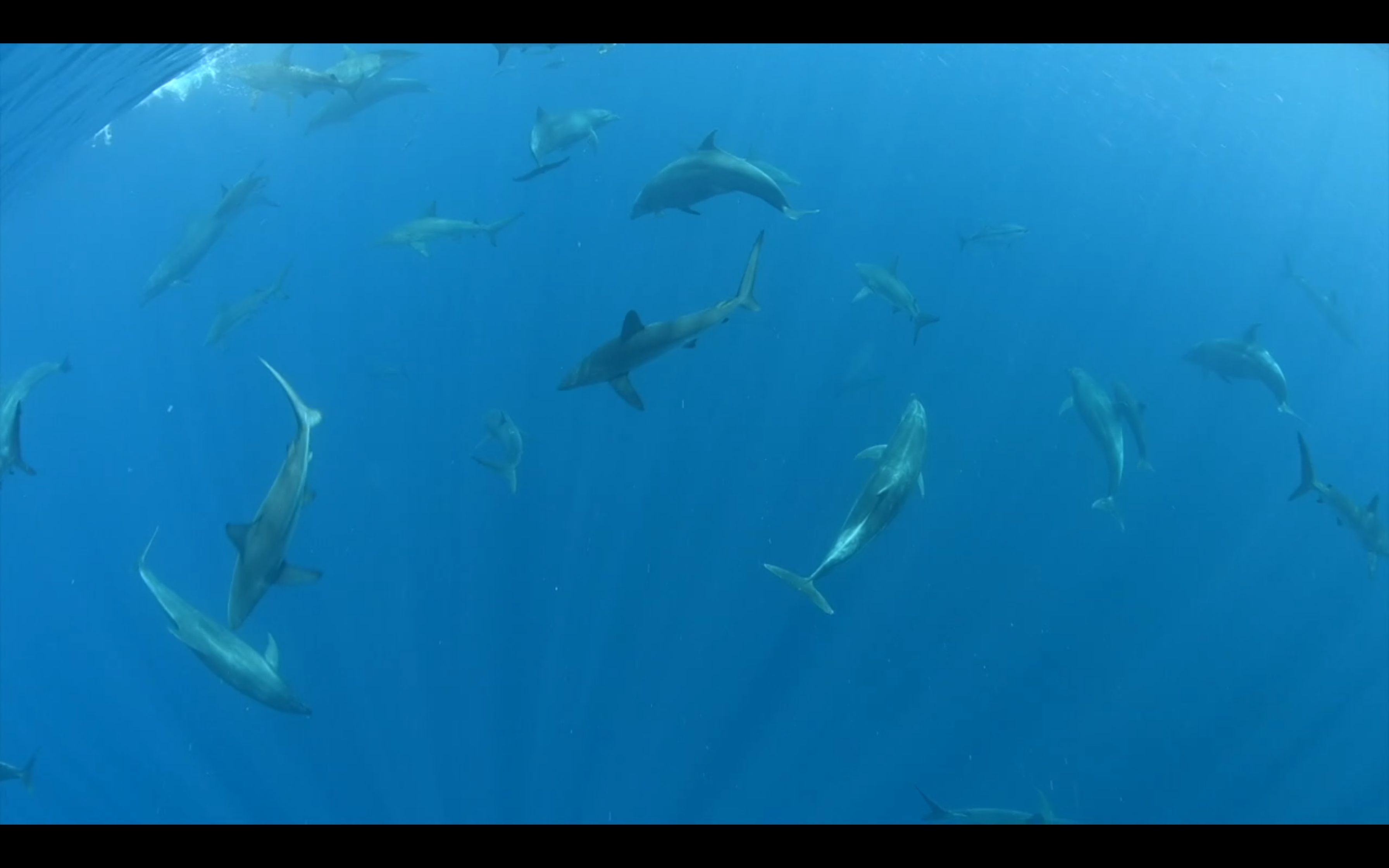
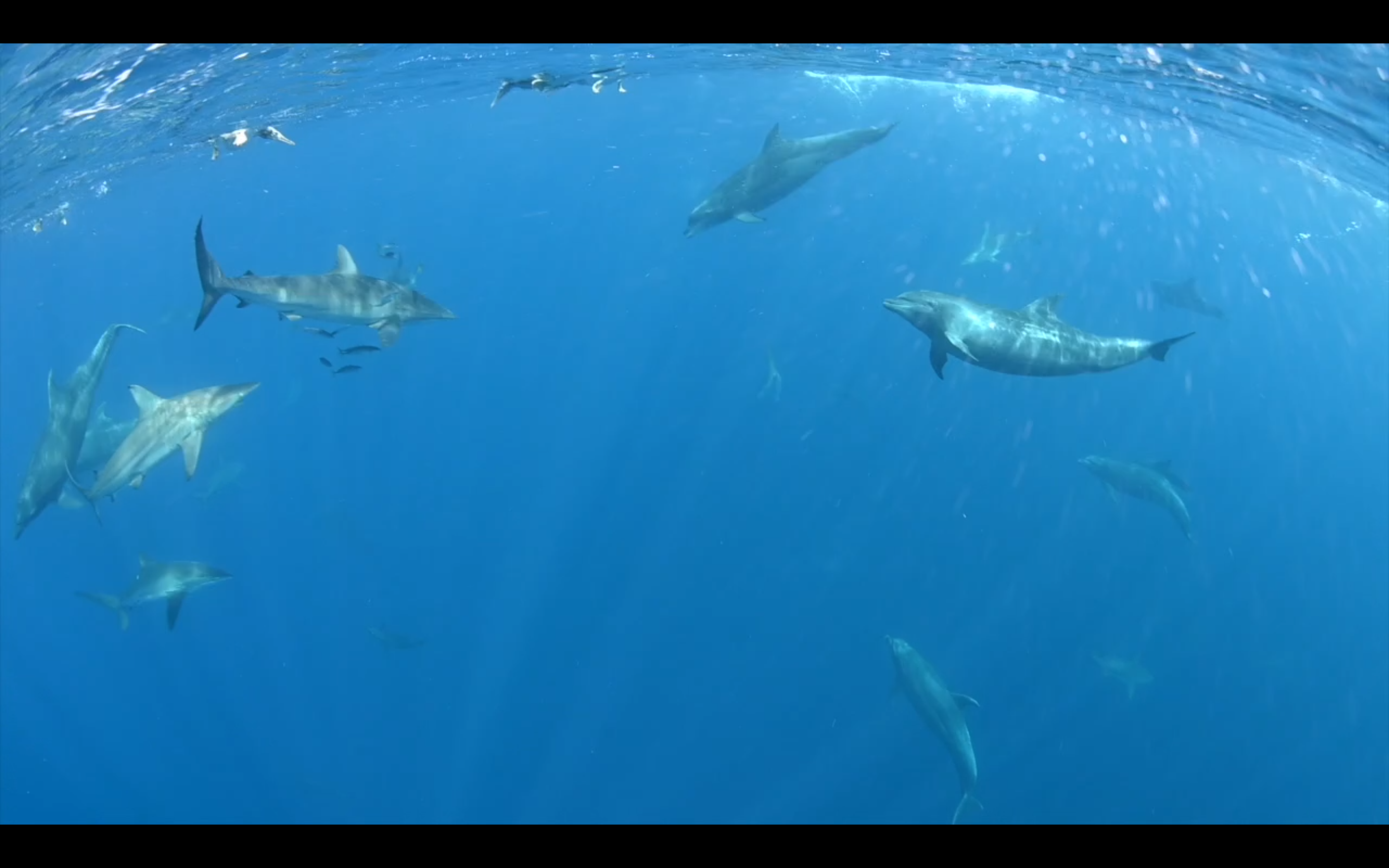
Among the many highlights of our expedition to Cocos, there’s an encounter with a particularly large and very active bait ball. From a distance, the water was seemingly boiling with life (and death as it turns out). as we approached, we saw dozens of dolphins hunting for prey while seabirds attacked from above, all engaged in what only can be described as a feeding frenzy. Of course, it made perfect sense to jump in with masks and snorkels to join the unfolding underwater chaos.

What a wild experience to be a spectator of one of nature’s most fascinating phenomena. Being surrounded by dolphins while large fish congregations swam around us was fascinating, at least until it was observed that among the dolphins there were several large sharks engaged in the fray. At that moment we realized that watching should probably enjoy a lower priority than survival. In general, it isn’t a good idea to be in between the predator and prey. Needless to say, no one has ever climbed back into the tender as fast as we did that day.
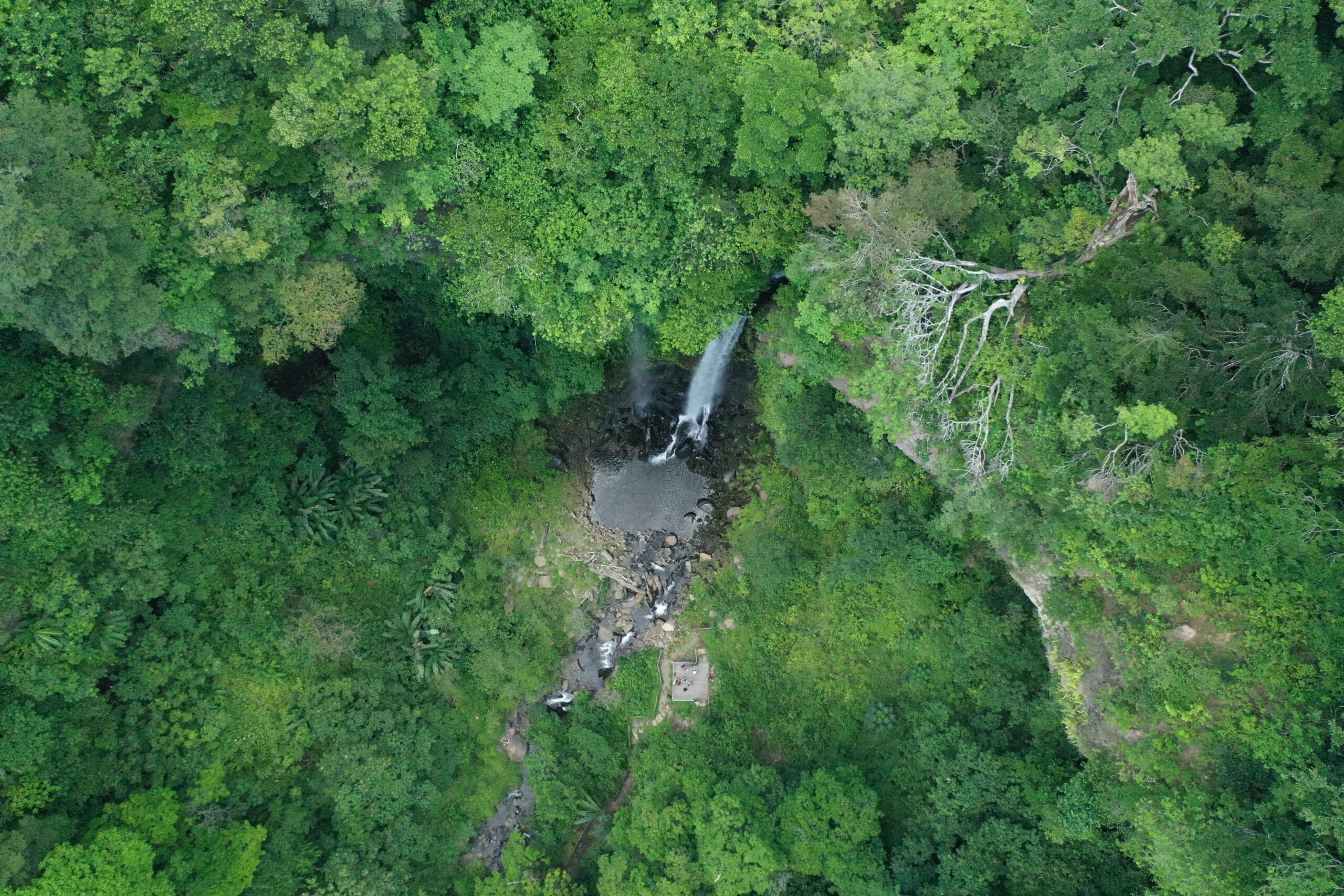
On land, Cocos has a wealth of pleasing surprises to reveal. The many waterfalls, the tropical lushness, and the vast biodiversity of terrestrial species make Cocos a paradise we were lucky to explore. And this is not a typical walk in the park. Accessing the most beautiful stops requires a fair amount of agility and definitely no fear of heights. One of the spectacular waterfalls, for example, requires the visitor to climb up a two-story make-shift and rickety ladder to reach a lagoon tucked away in between the dense island vegetation.
Cocos history is also very interesting. The past is complete with a legacy of piracy and treasure hunters, some of whom have left markings on the large boulders that line the island’s few beaches. Is there treasure to be found? None so far, despite the crew’s effort to make sense of the clues. Perhaps the story is more about vanity, as the names of old vessels were carved into the rocks by seafarers across history wanting to leave their mark.

Our Cocos adventure marked the beginning of a journey to explore the world’s most incredible underwater destinations. Seahawk continued on to the Galapagos and the Revillagigedo archipelago later on, both overwhelmingly fascinating places to see incredible marine life. Yet, to this day, the magic of Cocos lives uniquely in our collective memory as a treasure, both wild and beautiful, a place to be rejoiced and preserved.
This beginning was also a turning point in the way many of us saw the ocean. As we engaged with so many of the species we saw in Cocos, we learned about the threatened status of many of them, like the endangered scalloped hammerhead shark. And unfortunately, even though the Marine Protected Area is heavily guarded by the Costa Rican government, Cocos is as vulnerable to the increasing threats of climate change, as well as the overfishing that happens just outside of it.

Because of this, efforts to protect the Cocos-Galapagos Swimway that many of these animals use on their long migrations are critical for the species’ survival. With the protected corridor now supported by Ecuador, Colombia, Panama and Costa Rica, many of these fishing pressures could drop and allow some species to recover. Still, there is a lot of work to do in the battle against overfishing.

Isla del Coco was an unforgettable expedition, and as we continue our trip into the Pacific in search of new adventures, there is an idea that lingers in the air. That maybe, one day, we will be back.

Much to celebrate, much to anticipate as we make our way around the world.
French Polynesia, Part III – Last days in the Tuamotus

French Polynesia, Part III – Last days in the Tuamotus

We end our trip in the Tuamotus, excited for the path ahead, and yet aware of the uniqueness of this side of the world. A future nostalgia will accompany us every time we remember the experiences lived here on board Seahawk.

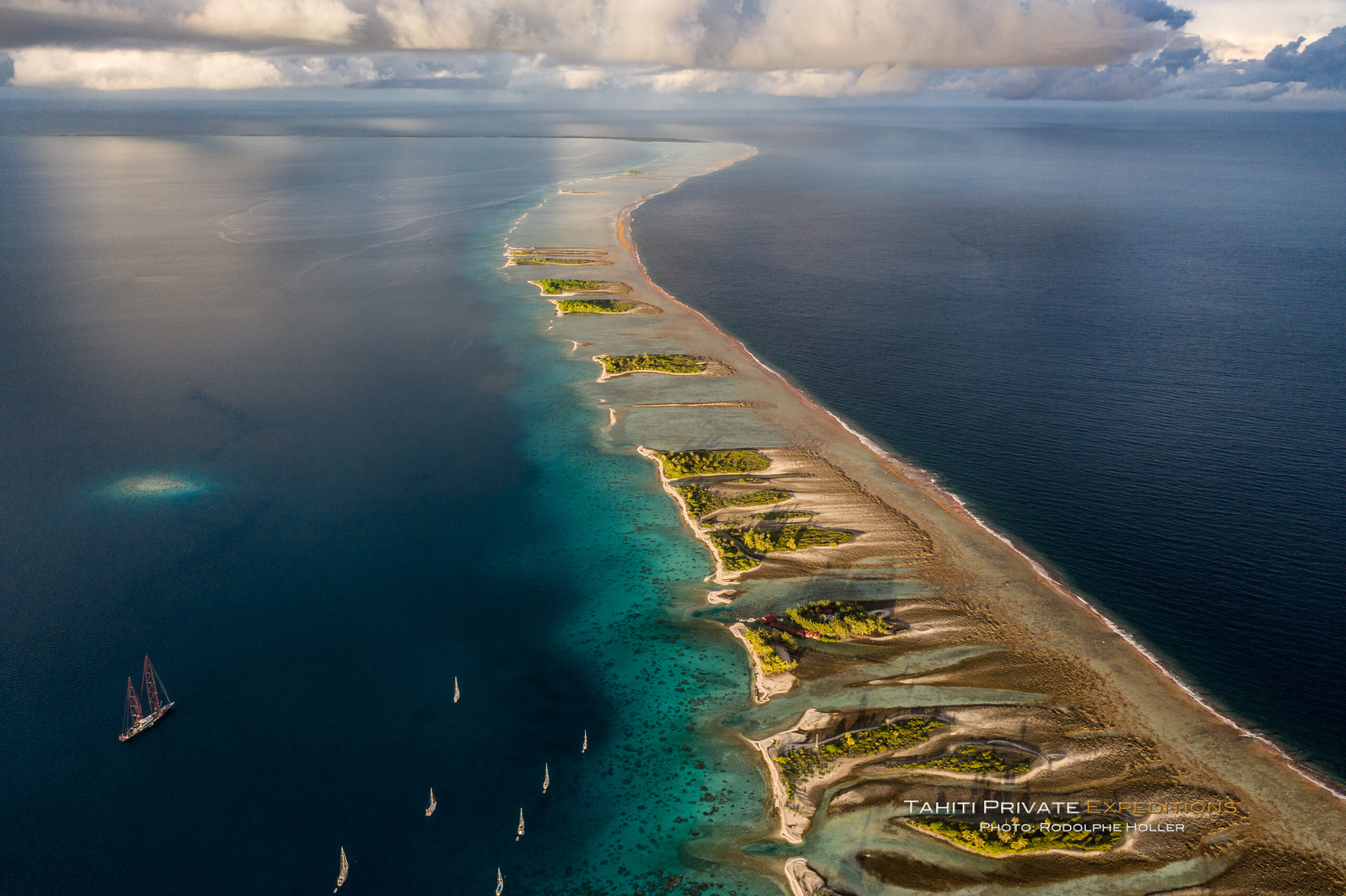
We’ve spent the last few days exploring new atolls and visiting previous ones in the Palliser group, northwest of the Tuamotus.

We finished our science trip back in Rangiroa, where we also conducted crew changeovers and provisions. In the days that followed, crew and guests from Seahawk got trained as PADI Rescue Divers by Righardt, the diver instructor on board.

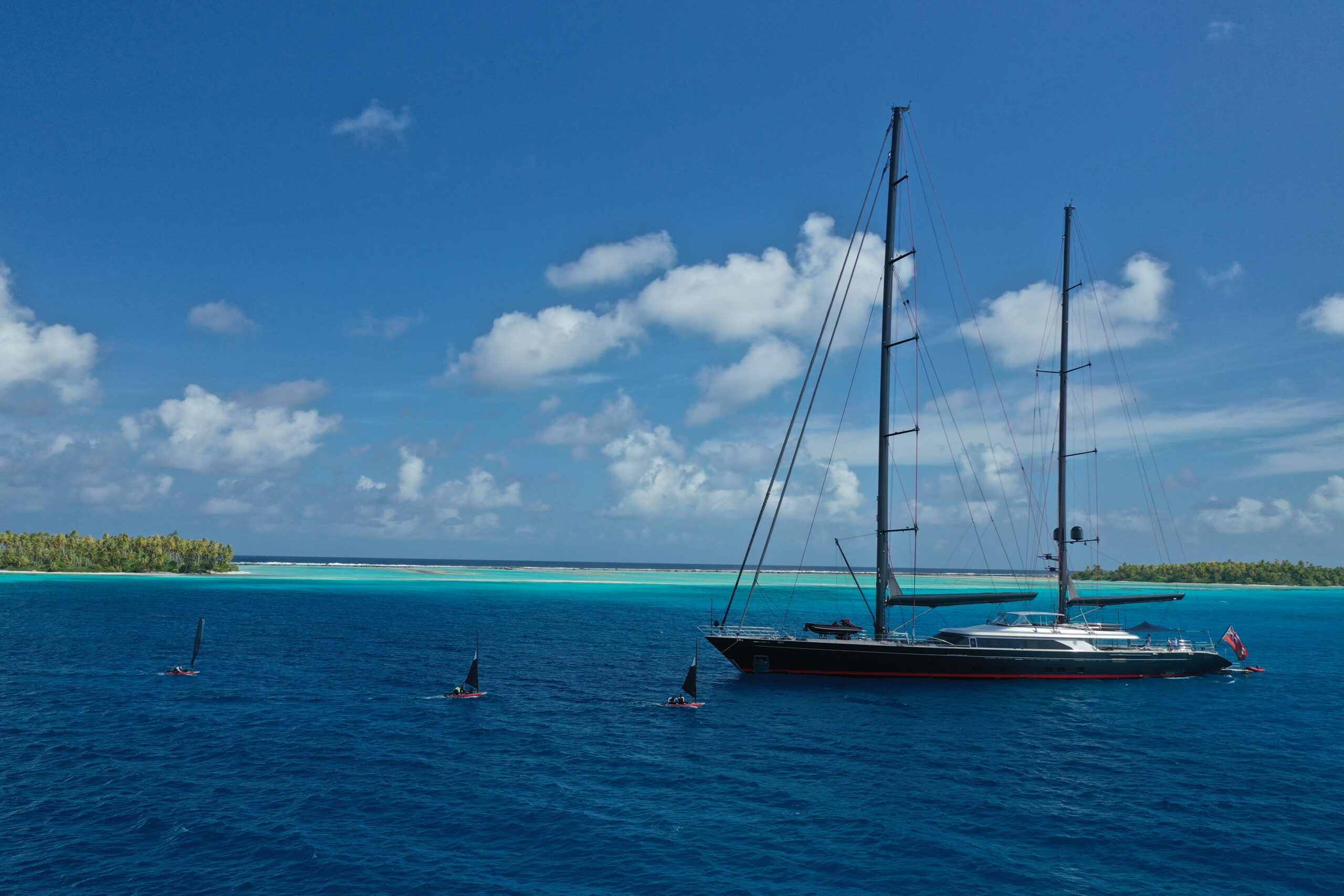
Also, we made use of the windier days that followed by doing some Tiwal Regattas and land excursions to the local vineyard. As it turns out, Rangiroa is the only atoll in the world where wine is produced. With vines growing in limestone and coral soils, the wine produced in the region is a unique one.

It was interesting to learn about the history of the vineyard and the particular challenges it faced since the first grape variety was imported to French Polynesia in 1992. Years of research to find the best area ended up with the creation of Vin de Tahiti in this atoll. On our visit we did some wine tasting and, delighted by some of the flavors (especially the rosé nacarat), we bought some wines for Seahawk’s collection.

The final Tuamotus cruising aimed to complete our visit to all the atolls that Seahawk could fit into. Some of the pass entrances started to get quite tight; in Tikehau, the pass had an indicated charted depth of 3.6m, but Seahawk needs 4.5m to float. Calculating pass entrance time is a complex task. Normal astronomical tides are only part of it, and swell height affects the amount of water passing over the rim of the atoll, as does wind direction. Getting this right for Tikehau was vital and very much comes down to the experience of the local guide. Our entry was successful, using the tender to mark the shallowest point for us to follow, with around 0.3m below us.

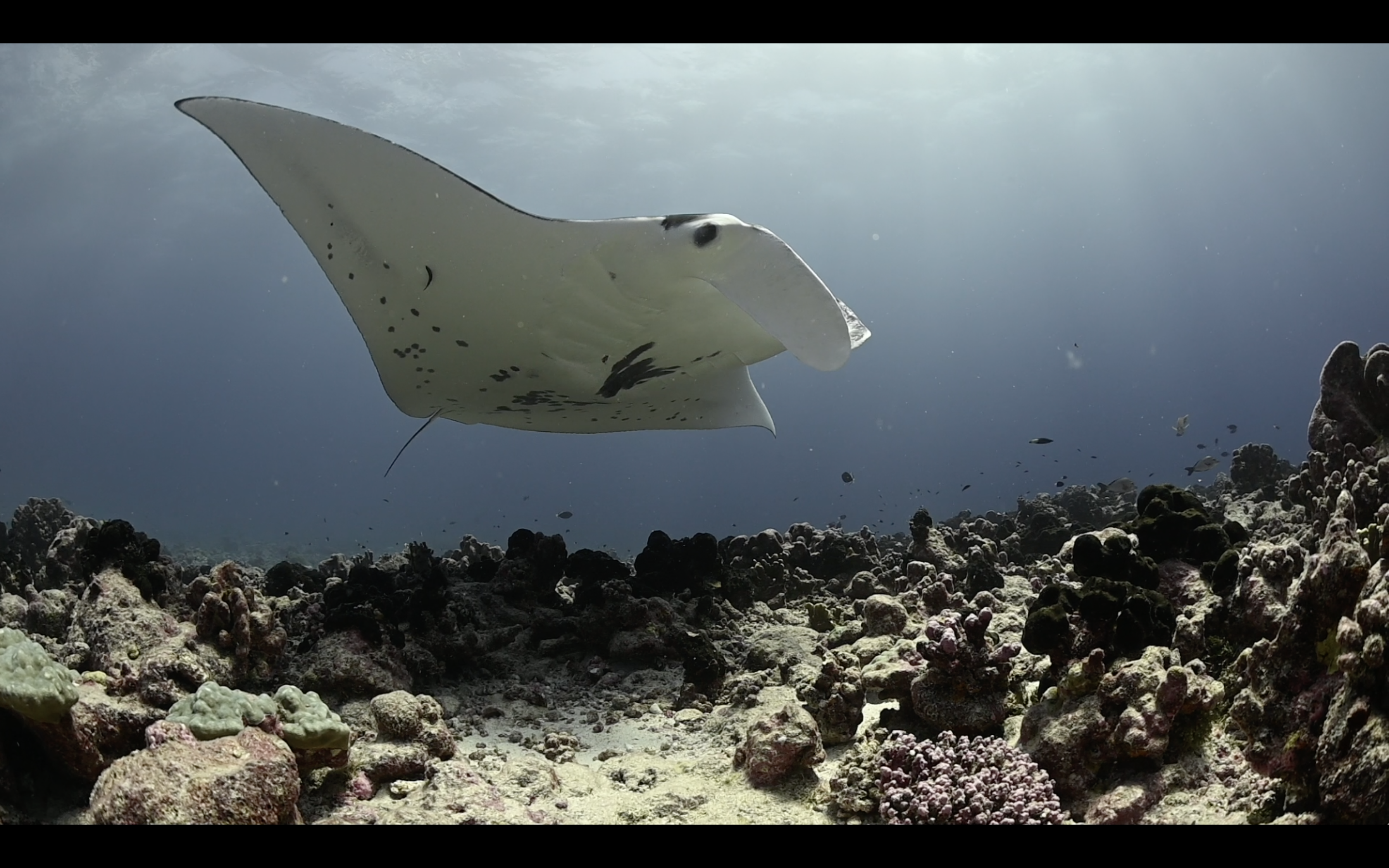
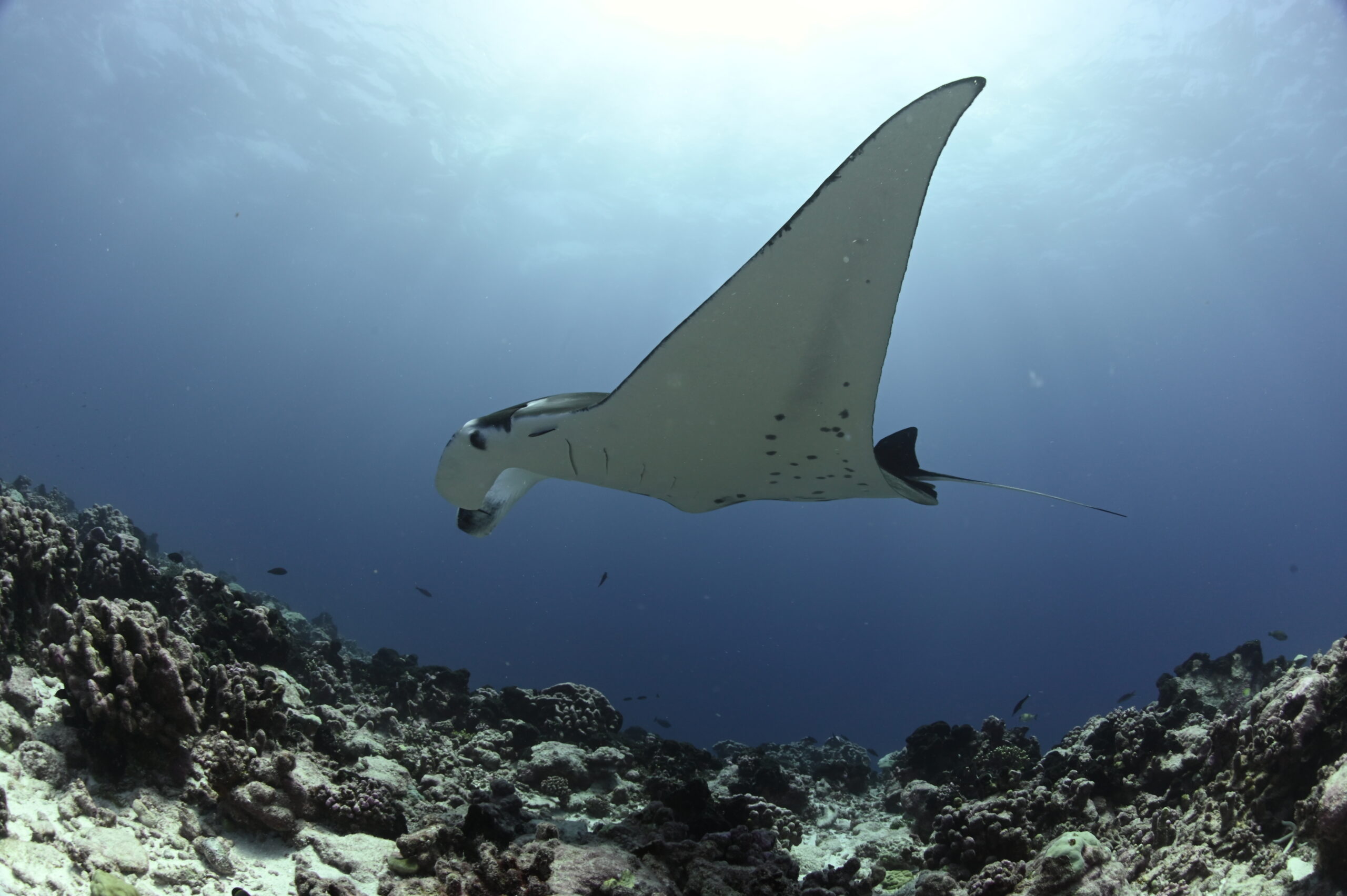
On another note, the diving has been excellent. A clear highlight was the manta cleaning station we came across on a dive in Toau, where 6 mantas could be found relaxing, and even showing curiosity and approaching us several times. But this is just one of many sightings one could encounter while on this side of the world, along with the large amounts of fish and incredibly rich biodiversity.

The thriving underwater world of the Tuamotus serves as an example of what healthy reefs can look like if taken care of. Facing their own share of environmental challenges, these areas are critical for the stability of many species. A realization that keeps Seahawk focused on its mission to support scientific research that will aid in the protection and conservation of these fundamental marine hotspots.

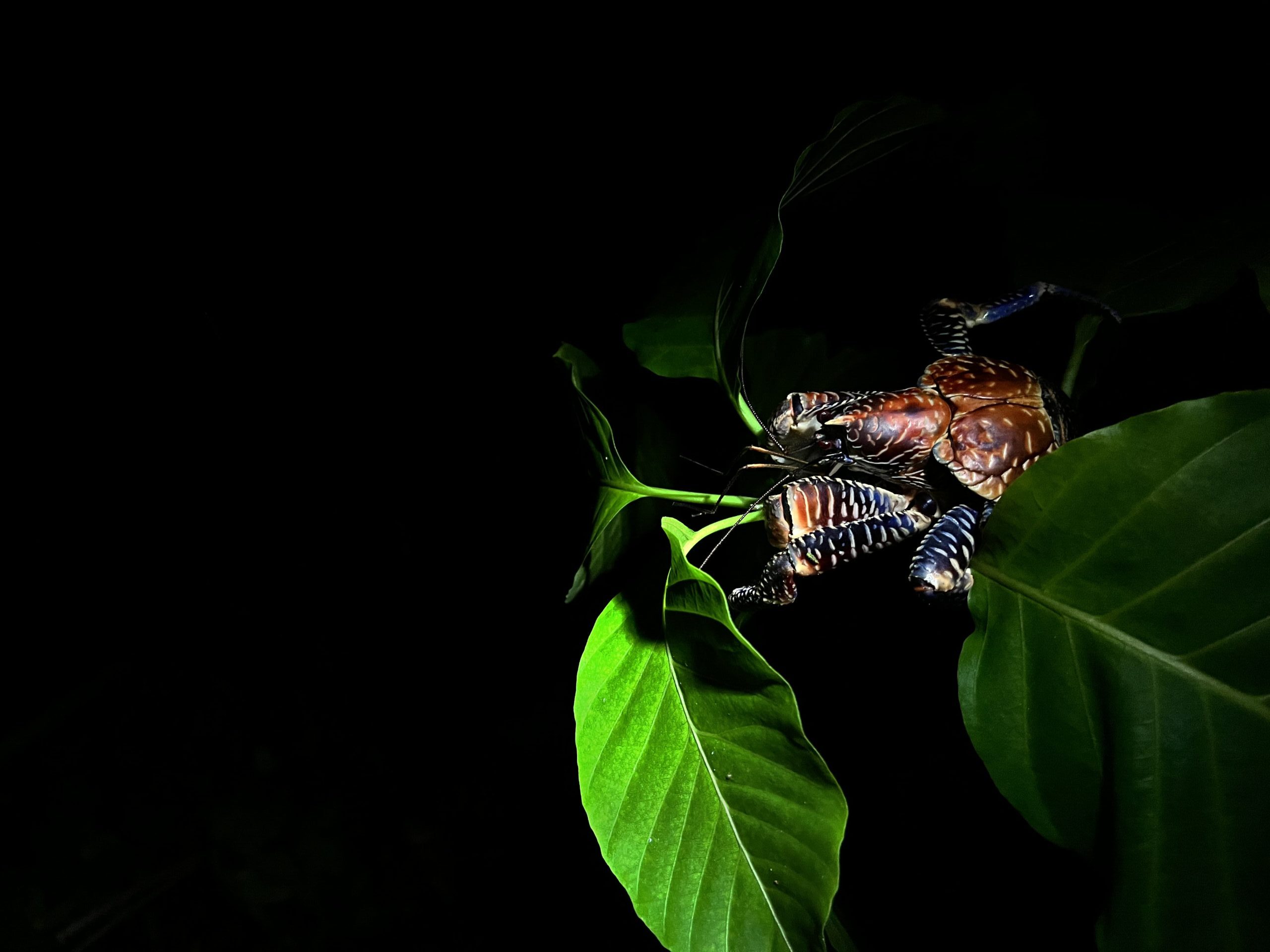
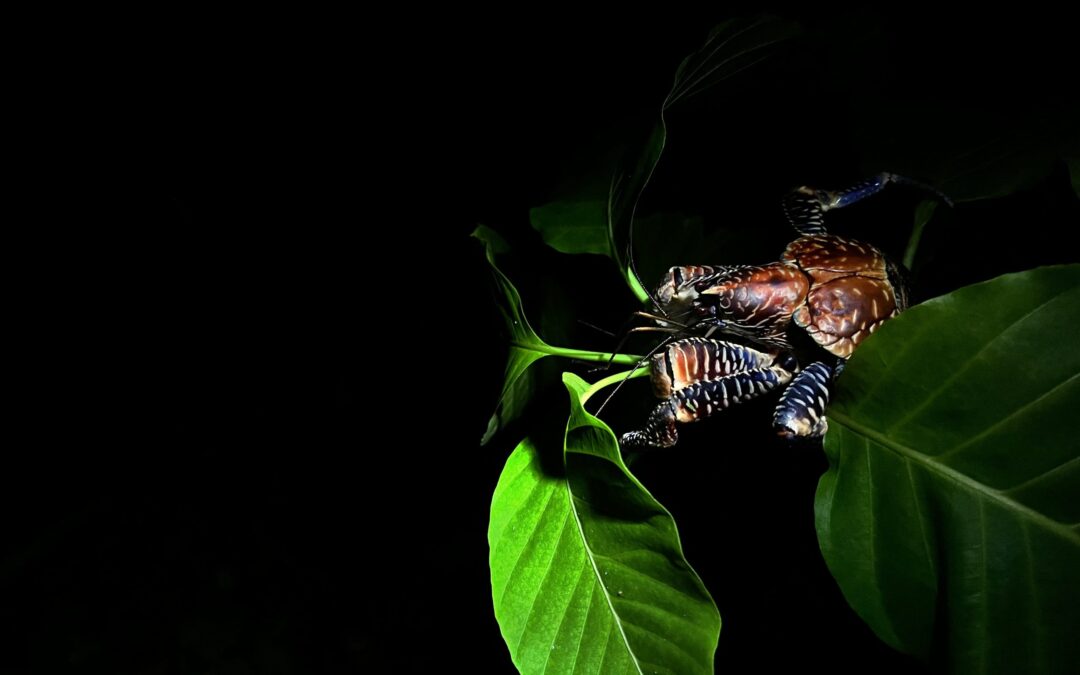
Also in Toau, we went on a mission to find the bizarre coconut crabs; these crabs are known to be the largest terrestrial arthropods on earth, weighing up to 4kg in some cases. Practically extinct in areas with a human population (they have been a food source for many pacific islanders over the years), they can still be found in remote places across the Indian and Pacific Ocean.

With Rodolphe being a professional coconut crab whisperer (among his many other occupations), one night he lead us on an expedition to find these creatures, as they are nocturnal feeders. We followed along with some flashlights and ready to investigate this mystic animal with a taste for ripe fruit and a pair of tweezers one wouldn’t want to get in between. Our mission was successful, and we found several of them that night climbing coconut trees and foraging for some food.

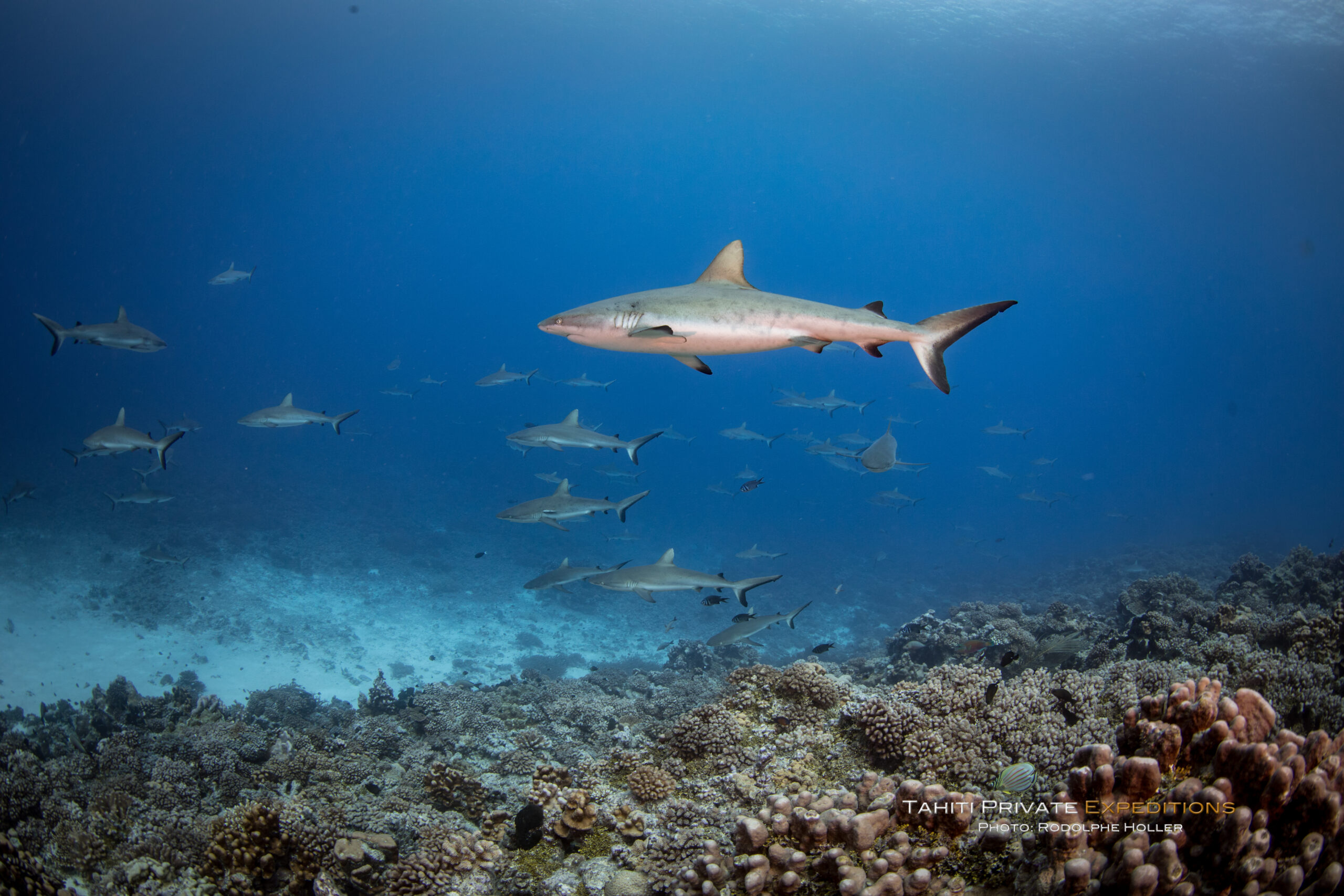
On a more extreme side, in the atoll of Apataki, we had some fun dives with currents hitting 4 knots while dragging us towards the lagoon. What made these dives particularly thrilling was the amount of grey reef sharks in the canyon as we drifted through.

But, without a doubt, it’s the final marine encounter as we were heading back to Tahiti that leaves us with a good memory of our time in the Archipelago.

As shared in their ongoing newsletter, the owners of Seahawk couldn’t have said it better:

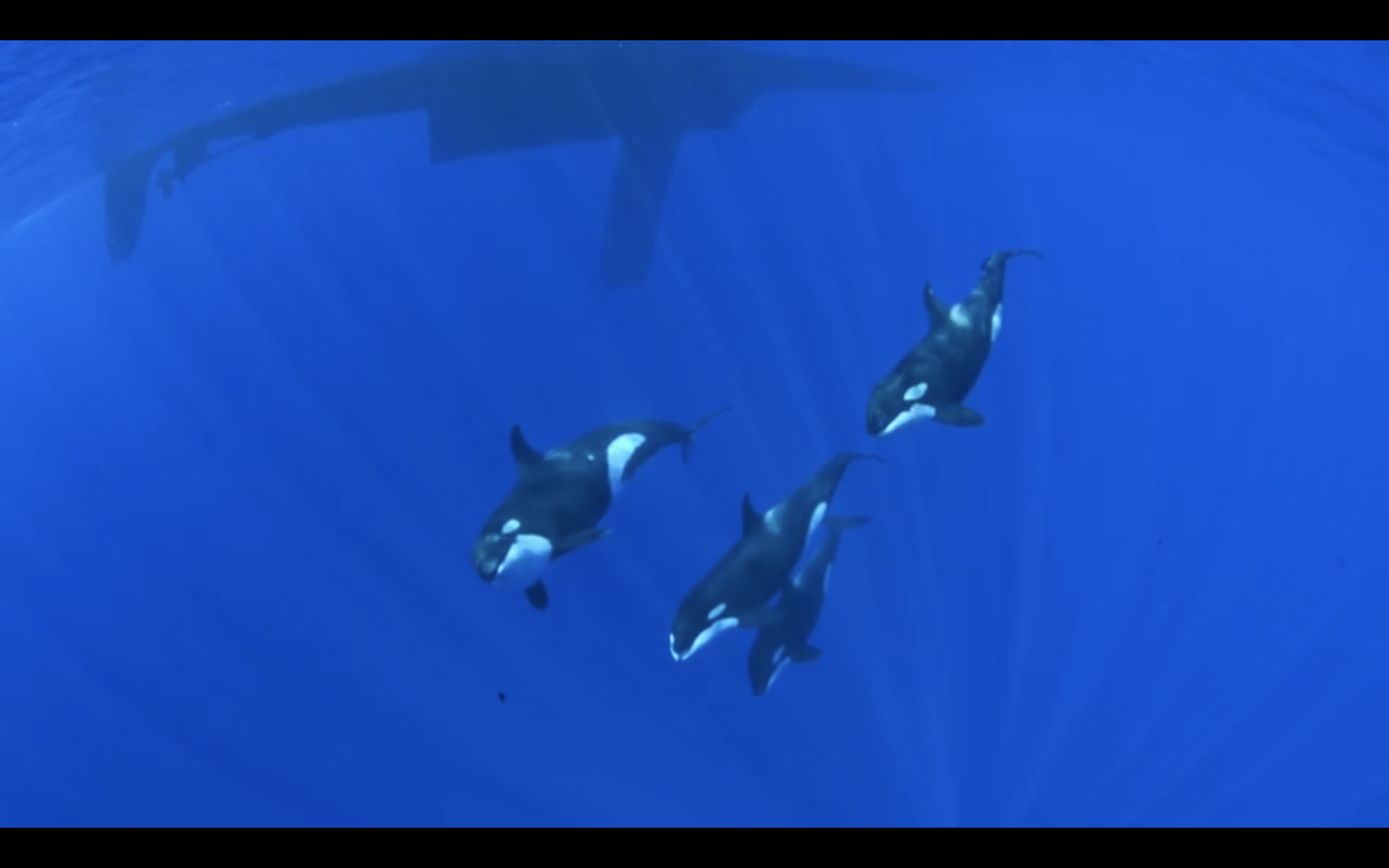
So ends our exploration of the Tuamotu Islands (for now). An amazing six weeks of science and discovery. Many firsts for us including the rare witnessing of a family of Orcas late during the passage to Tahiti. The experience reminds me that dreams realized begin by having dreams and embracing them. In many ways, this is what the Mighty Hawkadventure is all about.

French Polynesia, Part I: The Society, Tuamotus and Marquesas Islands

French Polynesia, Part I: The Society, Tuamotus and Marquesas Islands

The shape of Tahiti appeared as the sun was rising on January 7th, indicating that we had reached land after a 2-week crossing that started in Baja California. The lush green and dramatic mountains were the first things we noticed; a view we would get used to as we made Marina Taina our new base for the next 3 months.

The marina, in the south of Papeete, was very different from any other we had encountered before; crystal clear waters, with coral growing on the sides of the dock. Noticeably, we were the biggest boat there, with smaller catamarans and sailboats being the majority around. With views to the island of Moorea and groups of locals coming past as they rowed through the channel, while young teenagers with their foil boards caught the wakes of small boats cruising through, Marina Taina was different.

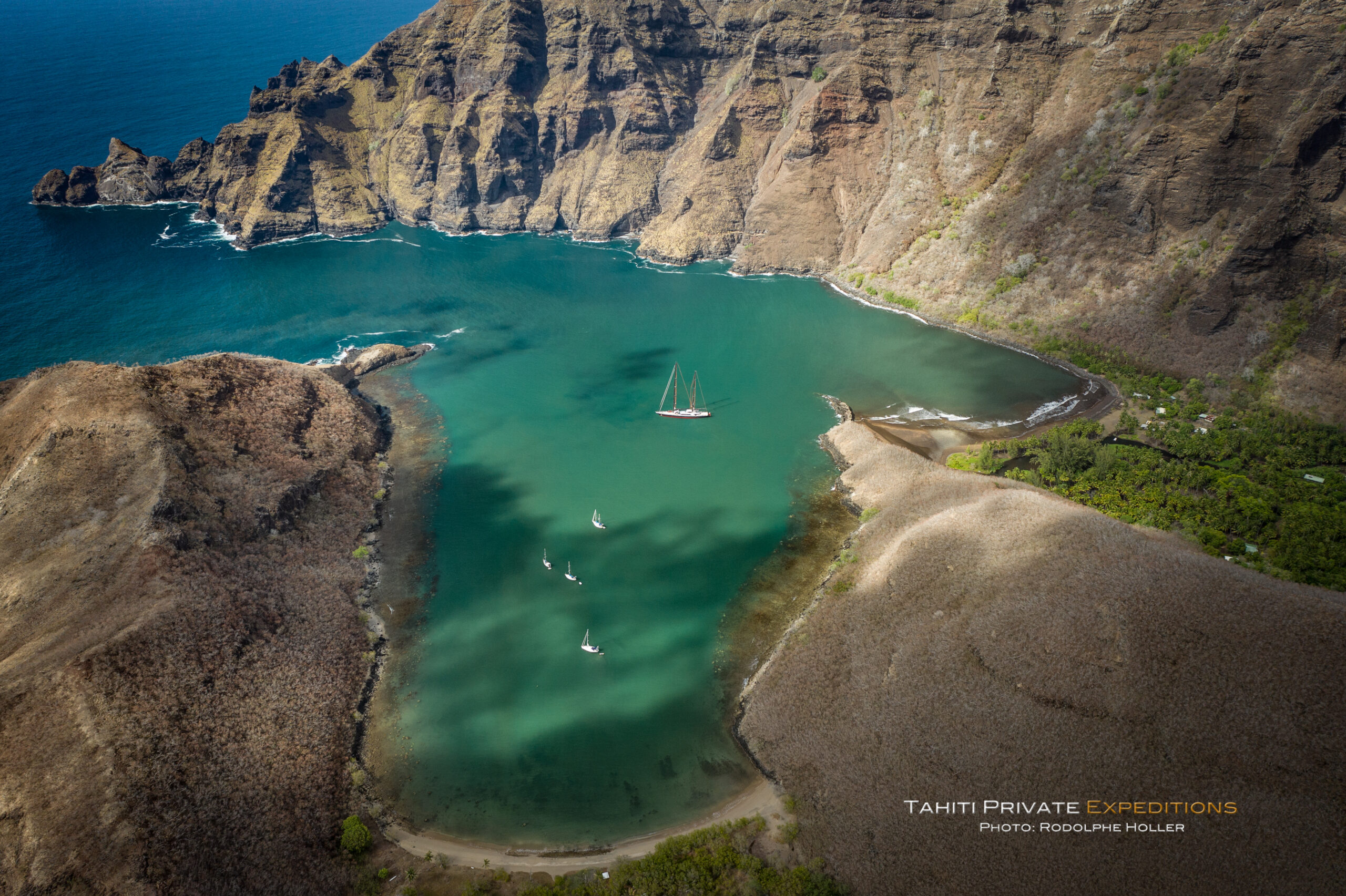
We spent the first few weeks under the heavy rains of Tahiti’s wet season, getting ready for our first exploration of French Polynesia. At the beginning of February, we set sail for Nuku Hiva, the biggest island of the Marquesas group. After encountering some rough seas beating against the trade winds, we arrived three days later, and the dry landscape that welcomed us made a contrast with the green beauty of the island we had left behind, showing us just how different every corner of French Polynesia can be.

On our days in Nuku Hiva, we had the chance to briefly explore the island, learn about its history, and try some of the local gastronomy. However brief, our time in the Marquesas gave us an insight into this part of French Polynesia, still relatively untouched and geographically different from any other place we visited during the rest of our trip.

It was here where we were joined by Rodolphe Holler. Rodolphe, co-founder of Tahiti Private Expeditions, is a local guide, dive instructor, professional videographer, and probably one of the few people that knows French Polynesian waters like the palm of his hand. He stayed with us during most of our time in the country, and thanks to him we had a trip full of action, epic dives, and visits to hidden gems only available to a few.

A day and a half after departing from the Marquesas, we arrived in Fakarava, the 2nd biggest Atoll in the Tuamotus, and a popular stop for keen divers that visit the country.

Fakarava has two passes entering the 1,112² km lagoon. The South Pass has a dive site that is known for what some call the “wall of sharks”, and we can say that it lives up to its name. Hundreds of grey reef sharks gathering together along the Atoll’s pass are a common sight, while other big pelagic fish can be seen around the area.

The dives here, as in most of the Tuamotus passes, are drift dives where you normally start outside of the lagoon and drift inside with the incoming tide.  With changing currents, these dives require good planning and a dive guide that knows the area, but they are incredibly fun and give a very good opportunity of encountering many species of sharks, rays, and other big fish.

But it’s not only the submarine life that describes Fakarava. During our days there, we walked through pink sand beaches and collected coconuts. We visited pearl farms and cycled around the motus (islets), enjoying the views of crystal clear waters and palm trees.

After the first couple of weeks cruising the central and eastern side of the country, we continued our journey to the Society Islands, known for the postcard beaches and the overwater bungalows that evoke paradise.

Bora Bora was our first stop on this side of the archipelago. We spent a couple of days there and got to experience several marine encounters inside the vast lagoon. Rodolphe, always with a plan in mind, took us on a journey to find manta rays and schools of eagle rays as they were swimming through.

After Bora Bora came Raiatea, Taha’a and Huahine, where we explored the land, from vanilla farms to small towns where we cruised through and bought fresh fruit from the local markets.

But as our time to start our science trip was getting closer, we went back to Tahiti and Moorea to spend a few days before we got started with the next expedition. While we got provisions and did crew changeovers, we made the most of our time on the islands. Moorea and Tahiti both have great hiking, as the islands are a paradise filled with waterfalls, dramatic peaks, and pathways filled with dense vegetation. Extraordinary was one of the hikes in Tahiti, near the city of Papeete, where, after two hours hiking up, we swam at the top of a waterfall while enjoying the views that come with being at the summit of a mountain.

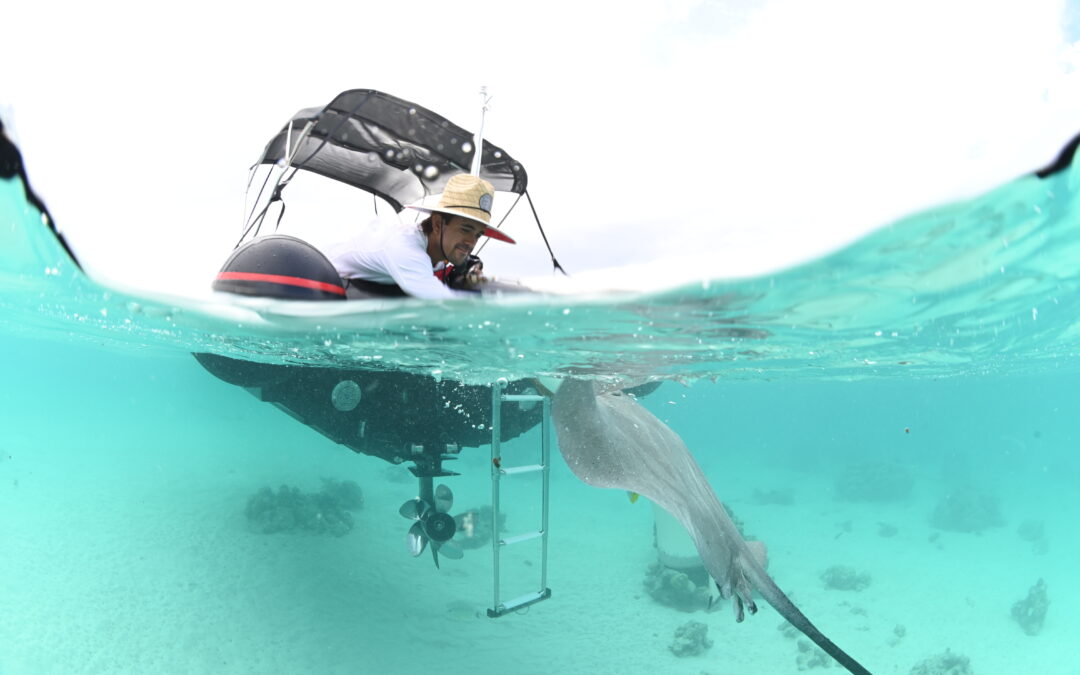
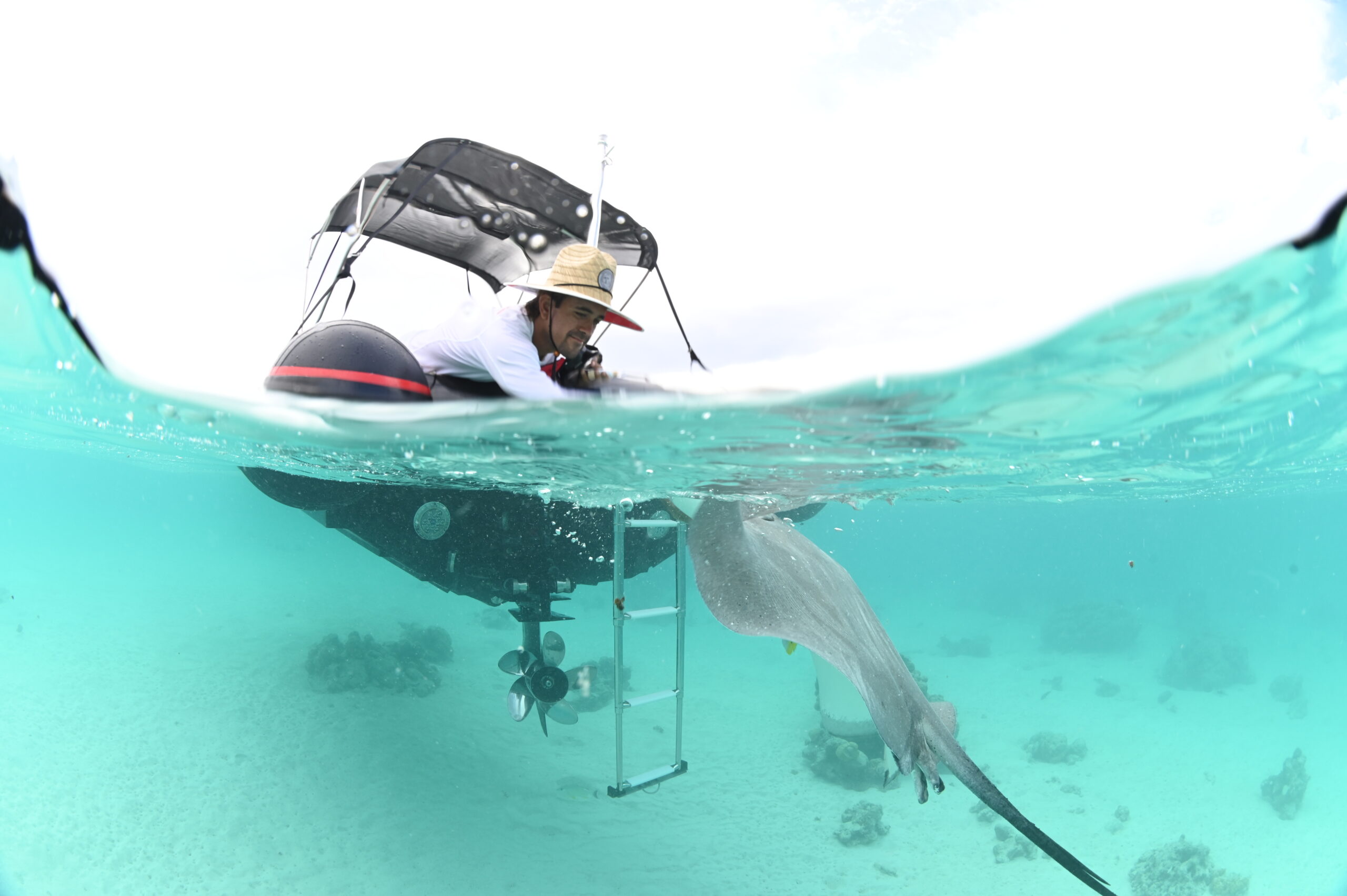
In Moorea, Seahawk spent 6 days anchored off Cook’s Bay, an anchorage with stunning views to Mount Mouaputa and Tohivea. Those days were all about hiking and getting to know the land, but there was also time spent in the water, snorkeling with black tip sharks and curious stingrays that are used to being fed by tourists; they didn’t give it a second thought before swimming straight to us to see if we carried any food.

Our days in Tahiti and Moorea came to an end as we left en route for Tuamotus once again, this time on our way to start the new science trip “Operation Swimway, French Polynesia”, that we had arranged with our partners in YachtAid Global, Rodolphe, and the team of scientist joining us from University of Hawaii and Centre de Recherches Insulaires et Observatoire de l’Environnement (CRIOBE).

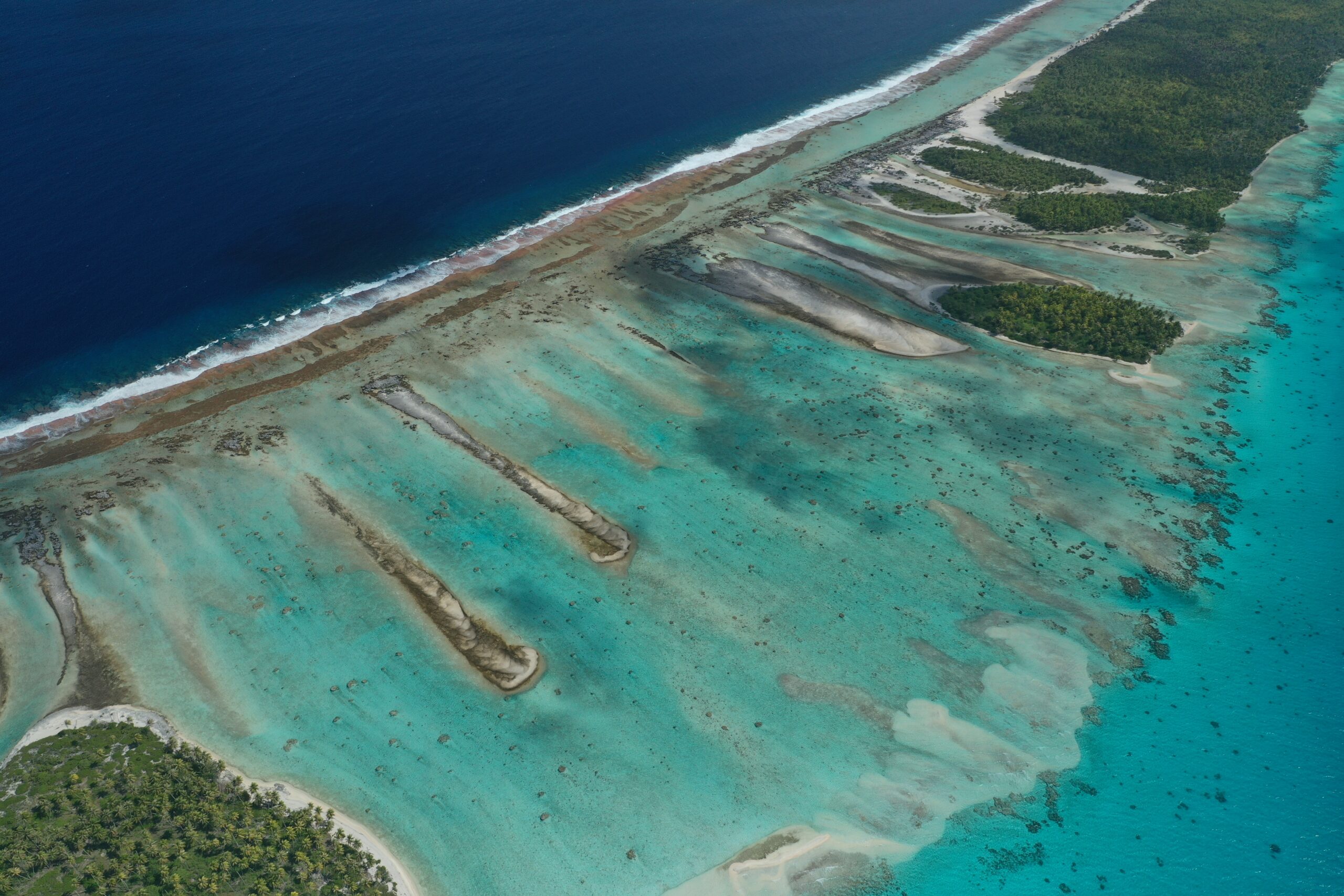
On our way to start the trip at the end of March, we stopped in Rangiroa, the Tuamotus biggest and most popular Atoll. It is a ‘must do’ stop in the archipelago, with world-class diving and hundreds of islets and sandbars to explore 

Our first visit to Rangiroa was mostly focused on diving. We had heard rumors of friendly dolphins approaching divers in this particular place, and so we went on a mission to find them. The rumors turned out to be true, and during the time we were there, we were approached daily by dolphins on our morning dives. Another unusual encounter that those on board Seahawk can add to their library of experiences.  

With the science trip starting soon in Makemo, we picked up anchor after a few days in Rangiroa and set sail once again, on route to start the new adventure. “Operation Swimway” was waiting on the other side.

If you want to know more, take a look at our Polynesian voyage on this video made by Rodolphe Holler.