Seahawk wins 2023 YCM Explorer Award

Seahawk wins 2023 YCM Explorer Award

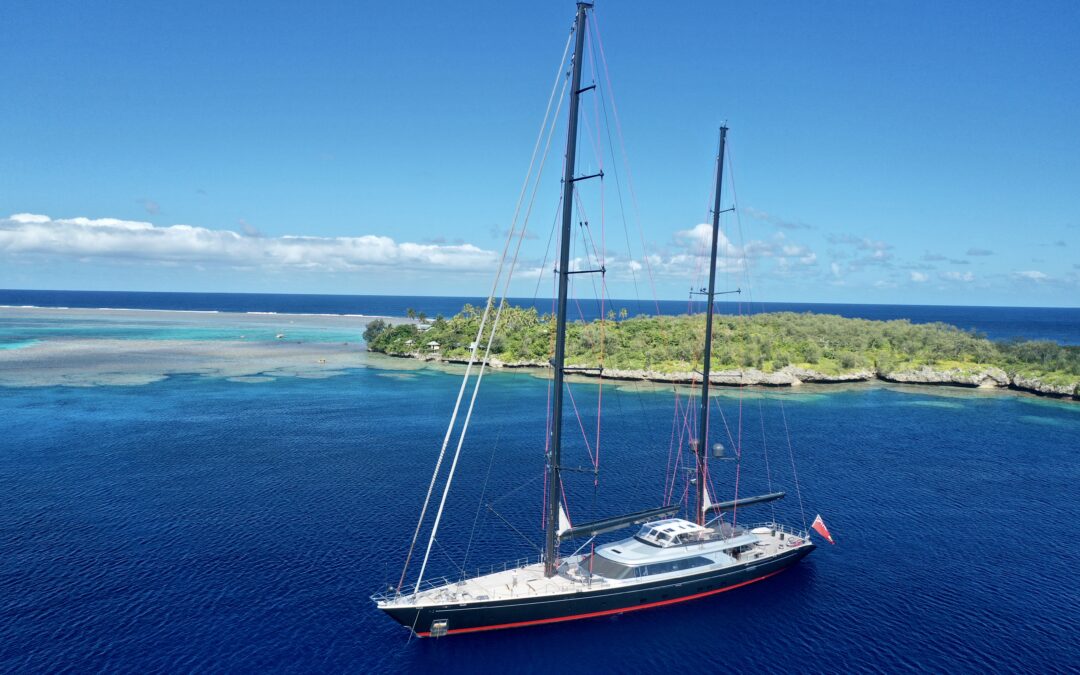
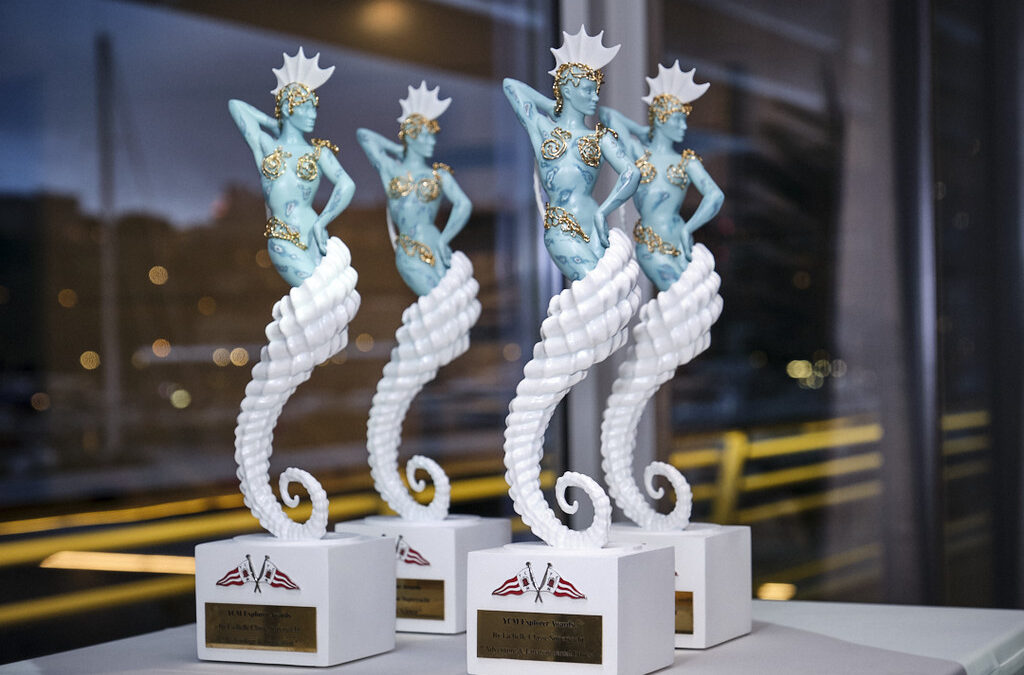
Last month, S/Y Seahawk received the 2023 YCM Explorer Awards by La Belle Class Superyachts for Adventure and Environmental Ethics. These awards recognize Superyacht owners with a commitment to marine conservation and sustainability, shown in areas such as innovative technology on board or philanthropic programs.

The awards are given by a jury of experts in the areas of Technology & Innovation, Mediation & Science, Adventure & Environmental Ethics

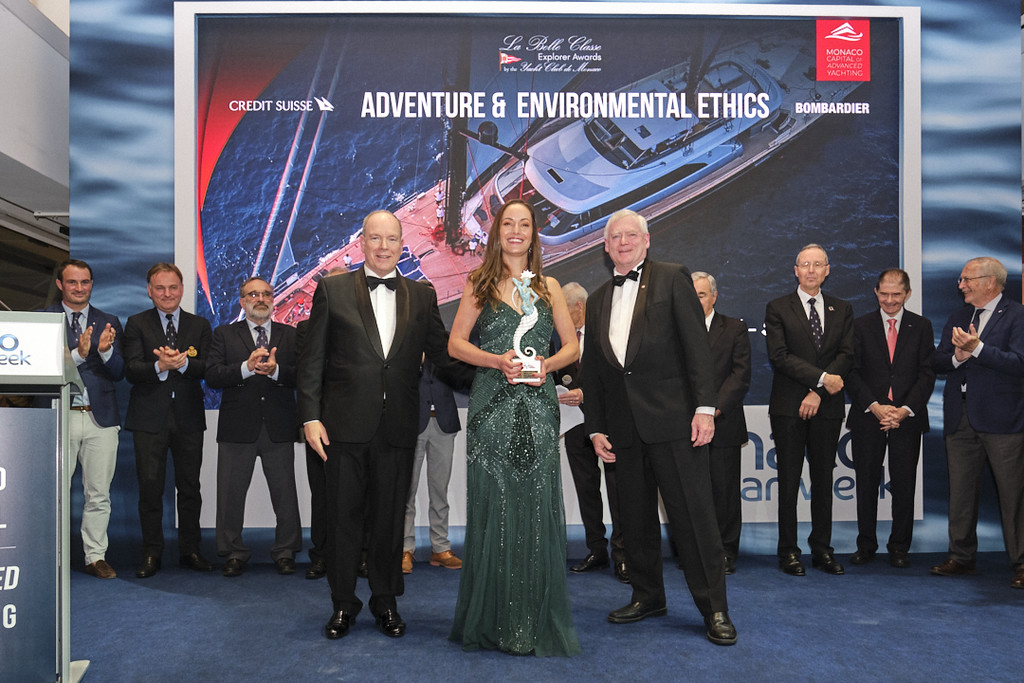
Rotational Chief Stewardess Nicola Watton received the award on behalf of S/Y Seahawk’s owners and crew. The award was presented by Prince Albert II of Monaco at the Yacht Club de Monaco. 

S/Y Seahawk’s team is proud of the work done in the past three years, and looking forward to supporting new projects in the future, wherever in the world we are.

With this recognition, we hope to inspire other Superyacht owners to turn their adventures at sea into philanthropic programs that help local communities and support scientific research, key to protecting our marine environment.

From the Jury:

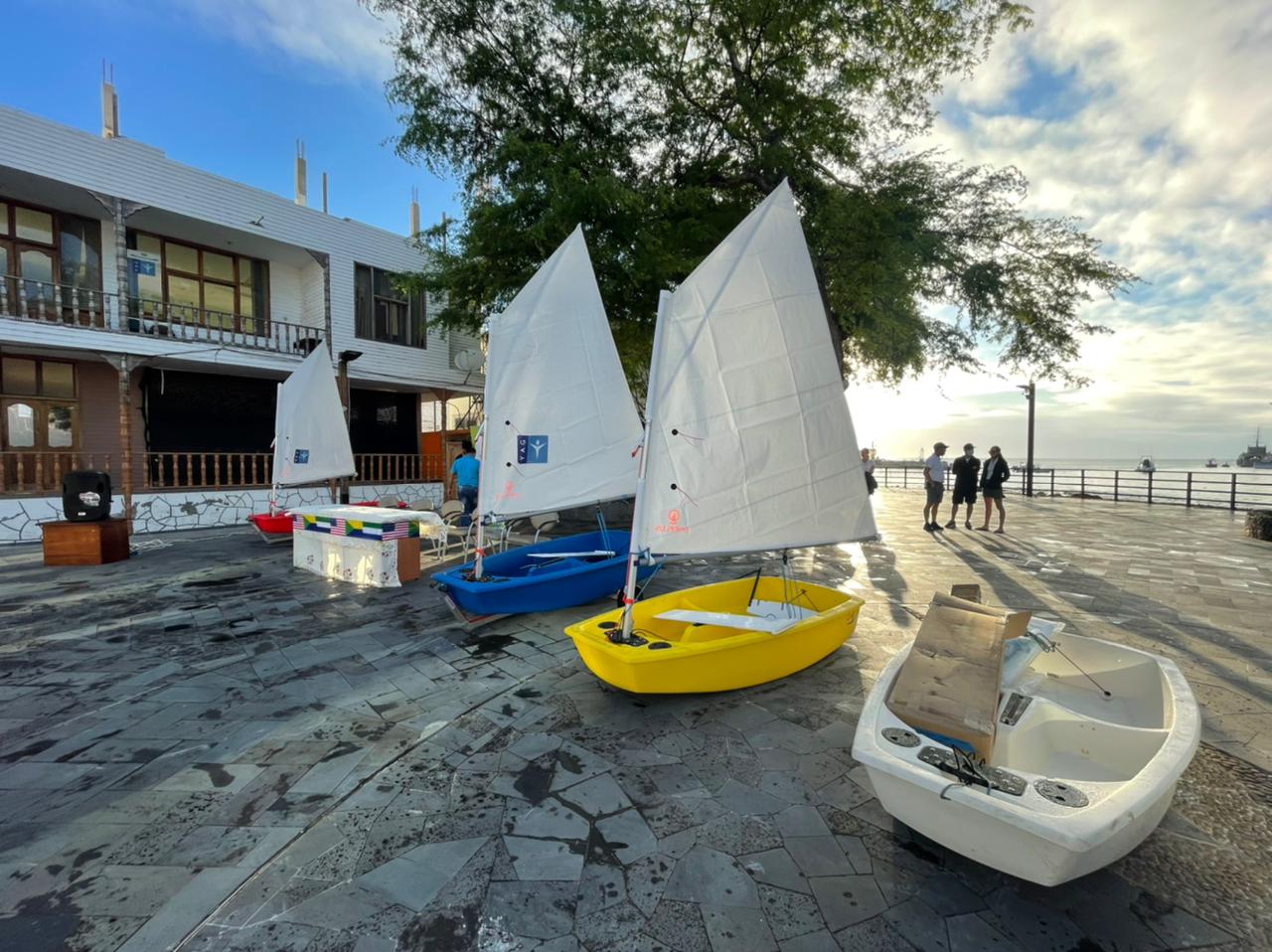
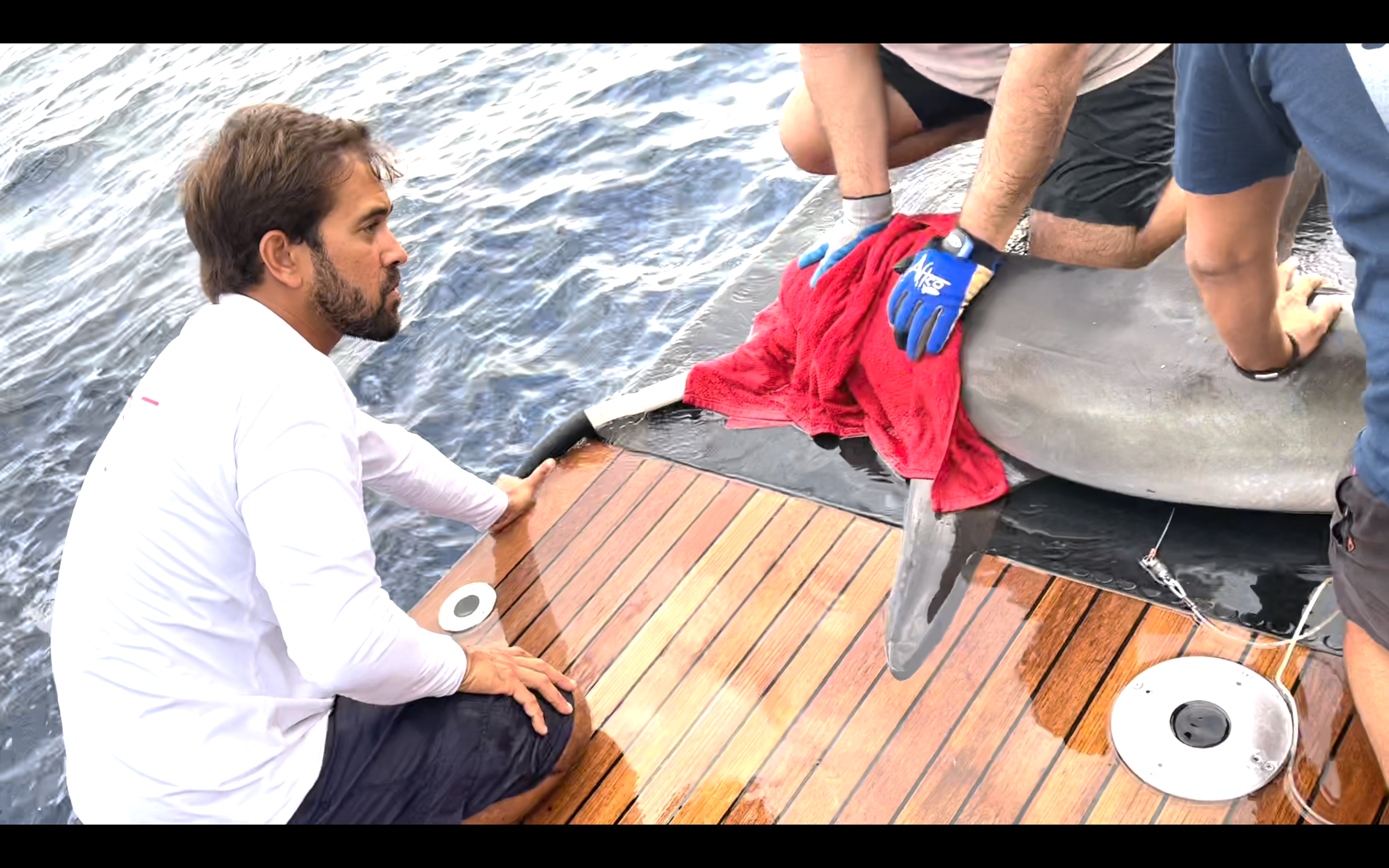
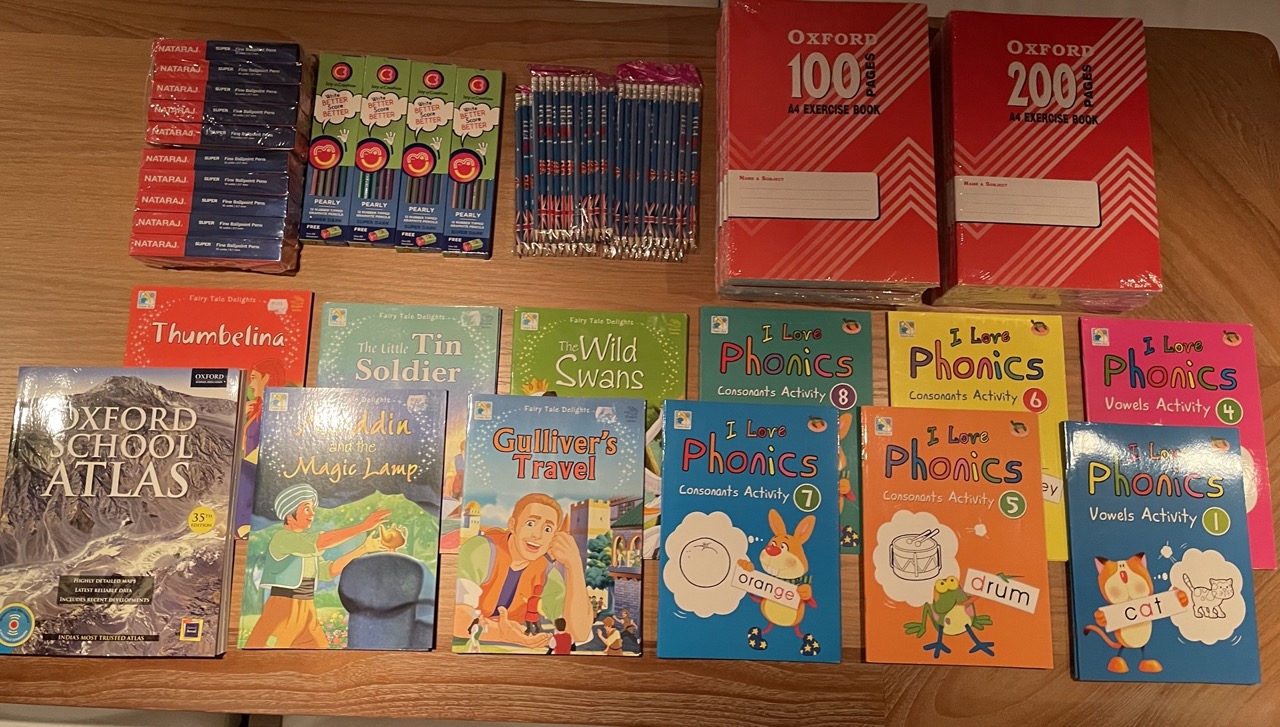
“S/Y Seahawk (60m) was presented as a yacht not built for science but with a strong desire to help science and the oceans. It has carried out numerous missions that have helped better understand migration patterns, fishing impact, etc. The yacht is also associated with projects such as the set-up of a sailing school in the Galapagos Islands with Yacht Aid Global, funding an instructor and converting a building for the school. It has also supplied educational materials to schools in the Tuamotus (French Polynesia) & Fiji archipelagos in 2022; all of which won it the award in the Adventure & Environmental Ethics.”
Explorer Awards
All images are courtesy of Yacht Club de Monaco | Mesi

You can read the full article about the Explorer awards here.
New Zealand, Part II – Orams Shipyard, Auckland

New Zealand, Part II – Orams Shipyard, Auckland

As the saying goes, despite “the best plan of mice and men”, yachts frequently have a tendency to unearth the unknown.

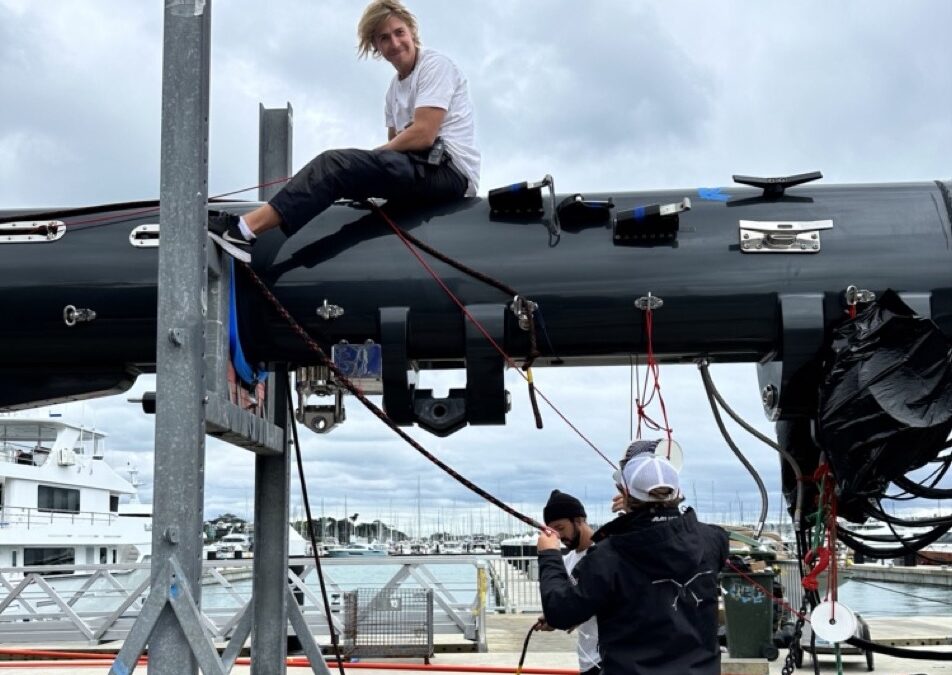
With Seahawk hauled out and safely choked on the hard, the next step was the disassembly of the boat for the painters, as well as the opening of sealed spaces and closed machinery for inspection by the ABS surveyor. 

The process of a refit is often a voyage of discovery, and it can generate a range of new issues previously hidden from view. While experience is valuable in pre-empting these additional tasks, there’s sometimes the risk of finding new surprises.

Seahawk followed this mantra and gave us a few curved balls. The most significant one was the need to replace both stern tubes of the boat. These are pipes that run between the aft wall of the engine room to the hull, with the propellor shaft spinning inside it. These tubes are constantly full of seawater, which is highly destructive. This area of the boat is prone to gradual corrosion failure. In Seahawk’s case, there had been a rapid corrosion process taking place since some stainless steel sleeves had been fitted into the tubes at some stage for an unknown reason.

This presented a major new project for the yard with several hurdles, starting with the acquisition of the specific grade of aluminium required, and its paper trail of material approval for ABS. As it turns out, 5083-grade aluminium in 300mm thickness is a rare beast. We scoured the world to find enough for the job. Eventually, a dealer in Holland had some that could be acceptable.

The other major hurdle to this job was accessing the area for work; the boat’s main electrical distribution panel is directly above the starboard side stern tube, meaning that the vessel would have to go dead ship for the duration of the work, and the hundreds of cables meticulously disconnected and then reconnected following the extensive welding work that would be required; this electrical job represented more labor time than the metalwork itself.

Unfortunately, a job like this comes with penalties beyond just the unexpected costs associated with the extra work; Carrying out welding work on the hull must be in accordance with fire safety requirements, and it’s, of course, messy. Performing paintwork on the boat requires the use of solvents that are explosive, as well as clean room conditions, creating a major conflict between these two tasks, making scheduling a real headache for the management team, and inevitably delaying the completion of the overall project.

The other ugly feature of working on boats, especially aluminium ones, is corrosion in general. Steel boats “rust”; composite boats get “osmosis”; and aluminium boats suffer electrolytic corrosion, which is caused when two different metals have a continuous current in between them, as they are in contact with an electrolyte substance. Aluminium vessels are often referred to as “Alker Selzer boats”, as they essentially ‘fizz’ like the pills do when in seawater.

When performing a re-paint, dealing with corroded areas is always an add-on to the project, as it’s simply not possible to gauge the amount of corrosion until the painters start digging into the job. Yacht paint is not just a thin coat of color over the surface; The full job requires special primers applied to the bare surface, followed by several layers of a fairing compound that are used to create a smooth shape before a final primer. In Seahawk’s case, there’s also a metallic paint finish; a base color coat followed by layers of clear coat. In the event of corrosion of the metal substrate, all these layers have to be rebuilt and perfectly blended with the existing sound materials. This is time-consuming and tends to be an expanding job. Seahawk’s paint is 9 years old and was hiding a lot of corrosion under some particularly thick areas of the fairing, adding a great deal of time to the overall paint project and expected completion date of the boat.

These major developments, along with other smaller but nonetheless significant discoveries, pushed the duration of our refit from an estimated 6-month project out to a solid 9 months.

At this stage, the vessel is a “War Zone”, a daunting sight with so much taking place simultaneously and so much “destruction” to access the projects themselves.

As of now, Seahawk is being taken care of in Orams Marine and will be back in the water in June 2023. An exciting itinerary follows as we will continue to explore the South Pacific.

The following video, made by Righardt (dive instructor & videographer on board), captures some of our day-to-day experience in the shipyard. Enjoy!

New Zealand, Part I – Orams Shipyard, Auckland

New Zealand, Part I – Orams Shipyard, Auckland

Seahawk’s first journey of the Pacific Ocean came to an end in September 2022, after 9 months of cruising the waters of French Polynesia and Fiji.

Arriving in the city of Auckland was new for most of us on board. The cold, rainy weather of the New Zealand winter and the big city lights painted a scenario very different from the one we had gotten used to, in the tranquility and warmth of our previous destinations.

Seahawk’s prime purpose for her visit to Auckland is the run-up to her 10-year anniversary and ABS class certificate renewal. ABS (American Bureau of Shipping) is one of a number of globally recognized Class Societies, and it ensures that the vessel condition meets a long list of standards, that repairs are carried out correctly, and it ultimately certifies to the flag state that the vessel is materially seaworthy and unlikely to cause pollution or other dangers in operation. The boat’s class certificate lasts 5 years (subject to annual inspections). At renewal, the vessel undergoes a detailed and fairly invasive survey inside and out to check the condition of parts that are not normally accessible.

Amongst many other things, the survey includes: measuring the thickness of the hull, an overhaul of the main machinery (to a level depending on the total running hours usually), an inspection of all hull valves that keep the water out, and a thorough inspection of the shaft line.

As a 10-year survey involves extended time out of the water, it is usual to carry out an overall refit of the vessel at the same time. In Seahawk’s case, this meant a full repaint, and the opportunity to remove and overhaul the mast and rigging, which must also be carried out on a similar periodic basis. This project was a major event and would be expected to take a minimum of 6 months to complete, considering no eventualities or last-minute surprises.

The planning began a year in advance. After considering several options, Auckland seemed like the best overall fit for our intended movements and the availability of suitable facilities. Orams Marine was our selected shipyard, and a plan was drawn up to bring the project together.

So come September and there we were, in the City of Sails, ready to get to work. But first things first, masts and rigging had to be removed, and the boat had to come out of the water.

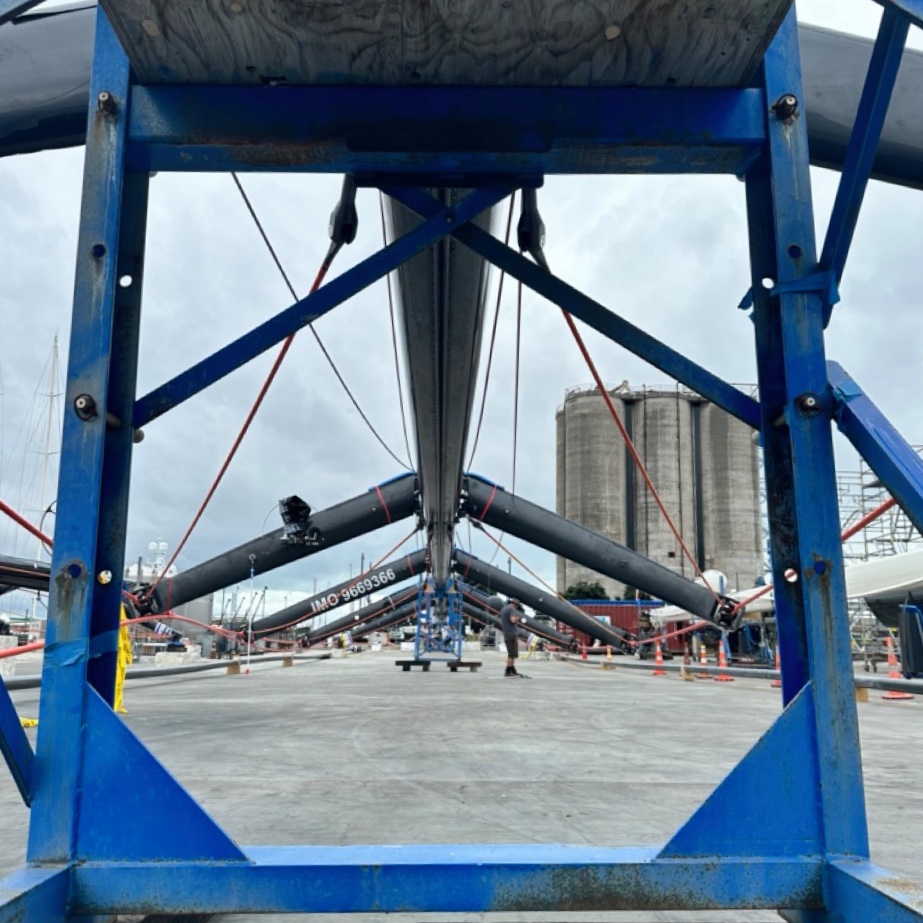
Pulling a Panamax rig from a yacht is no mean feat. The task requires the largest mobile cranes available, and a well-thought-out plan to lift the mast and lay it down on the ground; The combined area the masts need while assembled is around the size of a football pitch. The responsibility for this part of the project was taken by Dave White, of World Spar Services, and assisted by the team at RigPro in Auckland.

The rig pull ended up going by the numbers and was completed in one day. Then, the massive disassembly of the two spars followed to reduce their footprint as quickly as possible.

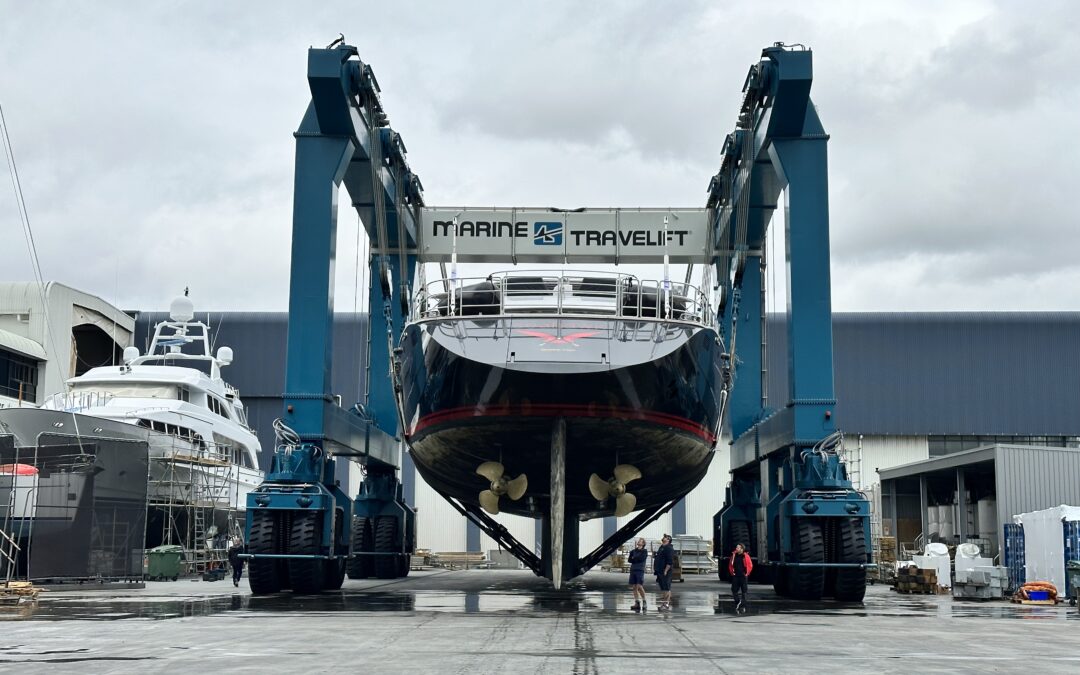
Shortly after, Seahawk got removed from the water. In the last 3 years, she has been hauled 3 times, each time by a different method. In Italy, she was dry-docked; in Mexico, a Synchro lift was used, and now it was the turn of an 820T travel lift to do the job. Again, the job went smoothly and the boat ended up securely blocked in the corner of Orams’ hardstand area ready for scaffolding and tenting.

And now, the real work begins.

If you would like to know more, dive instructor and videographer Righardt made the following videos to document the process. Enjoy!

Boat International interviews Seahawk’s owner

Boat International interviews Seahawk’s owner

Boat International’s deputy editor Caroline White recently interviewed Adam Alpert, owner of SY Seahawk.

They discussed Adam’s career, from his studies in Mathematics and his early days as an engineer to his later role in the multinational company, Biotek Instruments.

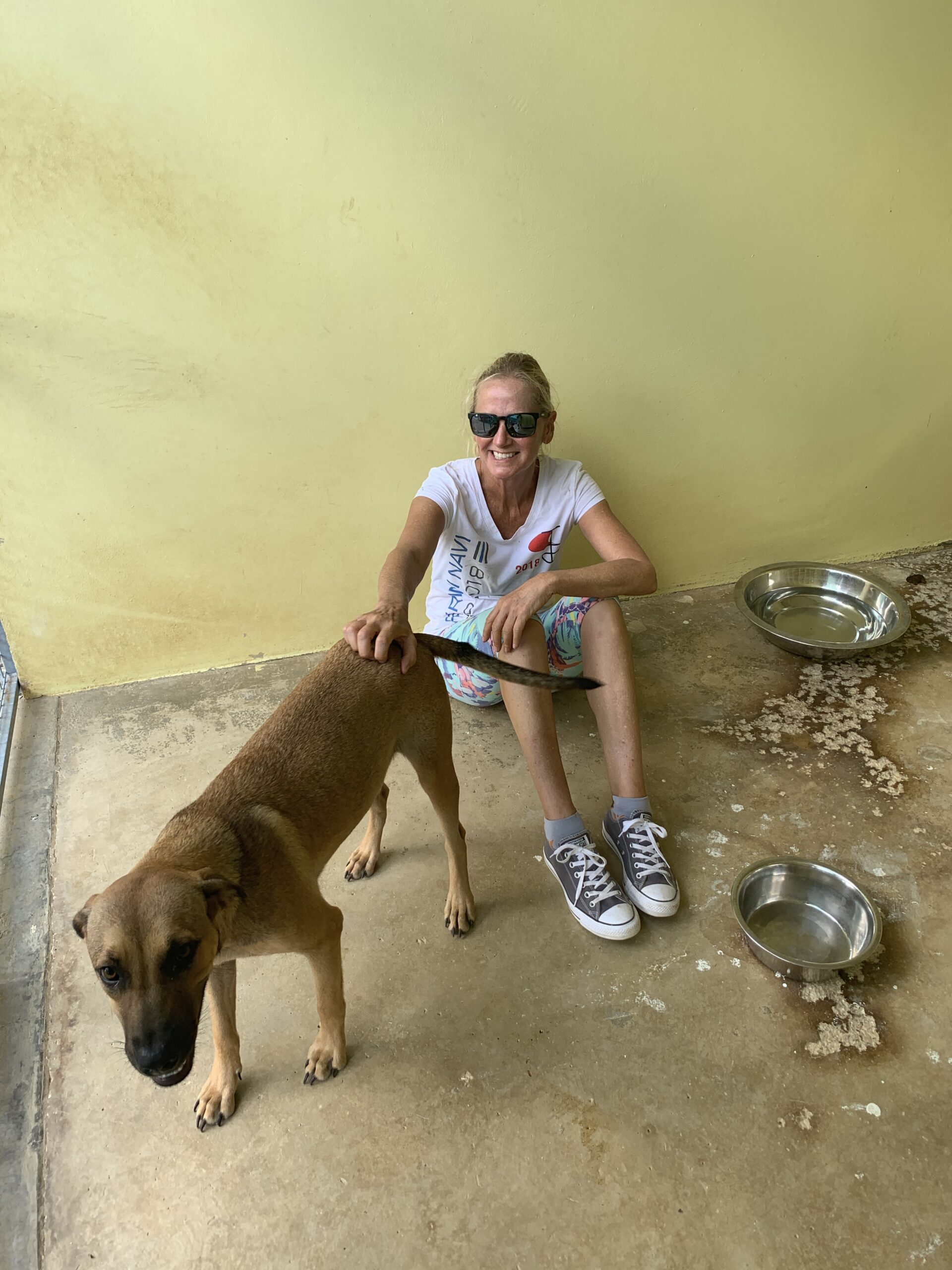
Adam talks about the Seahawk mission and the wide variety of projects that have been carried out during the boat’s travels. Projects such as; building a dog shelter in Bonaire, funding a sailing school, and supporting scientific research in Galapagos, Mexico, French Polynesia, and Fiji.

The interview serves as a summary of Seahawk’s adventures for the past 3 years and explores the motivations for Adam and Gisela Alpert to take a philanthropic approach to their travels around the world.

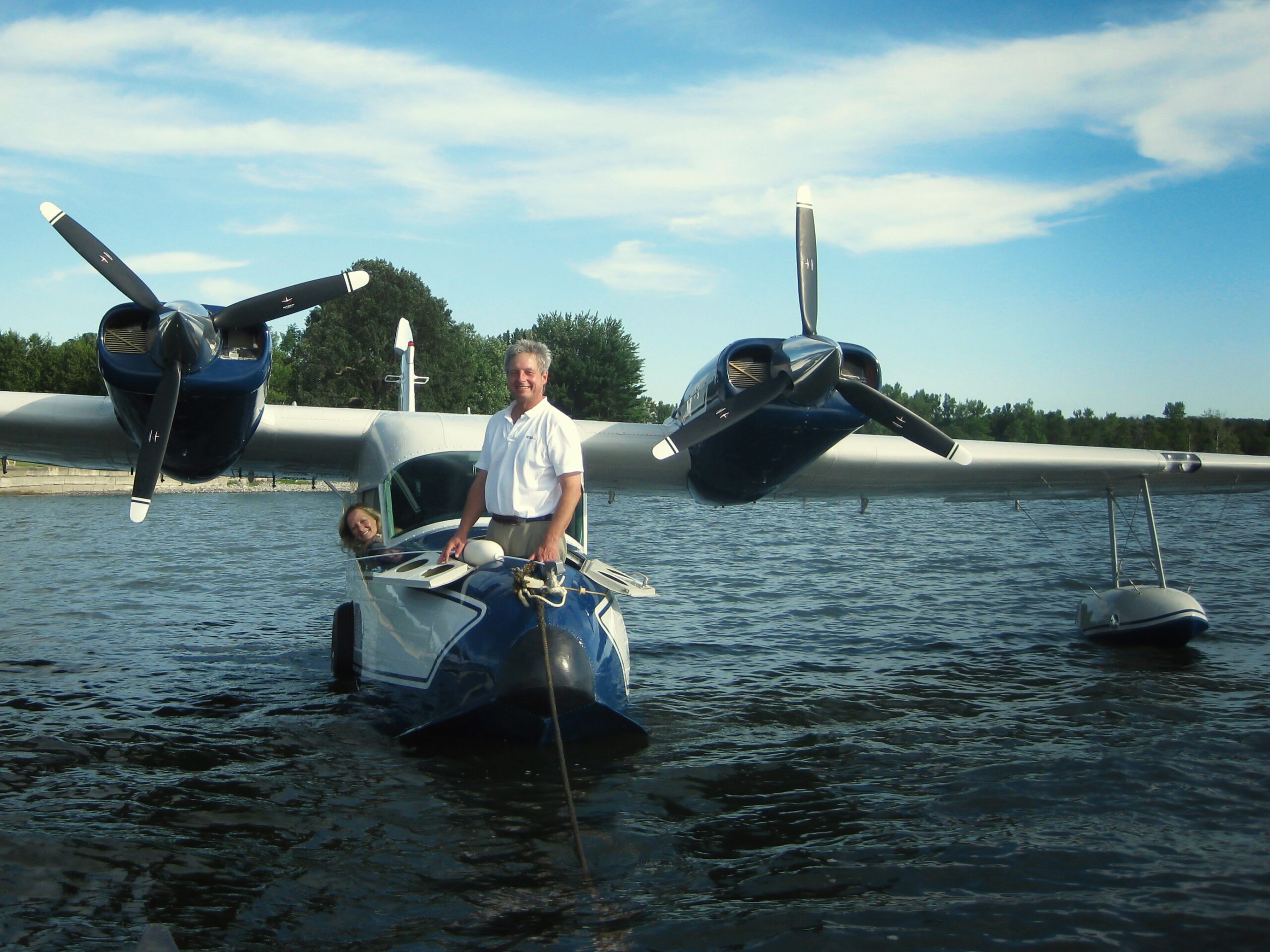
Adam also discusses his passion for sailing and aviation, an interest that he’s always pursued and that lead him into becoming a commercial pilot, starting his own collection of classic airplanes, and even writing the book We Have a No Crash Policy!  A Pilot’s Life of Adventure, Fun and Learning from Experience.

If you would like to know more, you can visit his website, No Crash Policy.

You can also read the full interview here.

Boat International interviews Seahawk’s owner

Fiji, Part III – School Visits and Cruising Lau, Lomaiviti, and Kadavu

The Lau group is located on the eastern side of Fiji and east of the Koro Sea. With some islands closer to Tonga than to Fiji, the populated islands of the Lau group have a unique mix of Polynesian and Melanesian cultures. 

Vanua Balavu, the chief island, was our first stop on this side of the world. We found shelter from the bad weather in the Bay of Islands, a region characterized by the many green mushroom-like islets that rise from the sea, creating small coves surrounded by calm, turquoise waters.

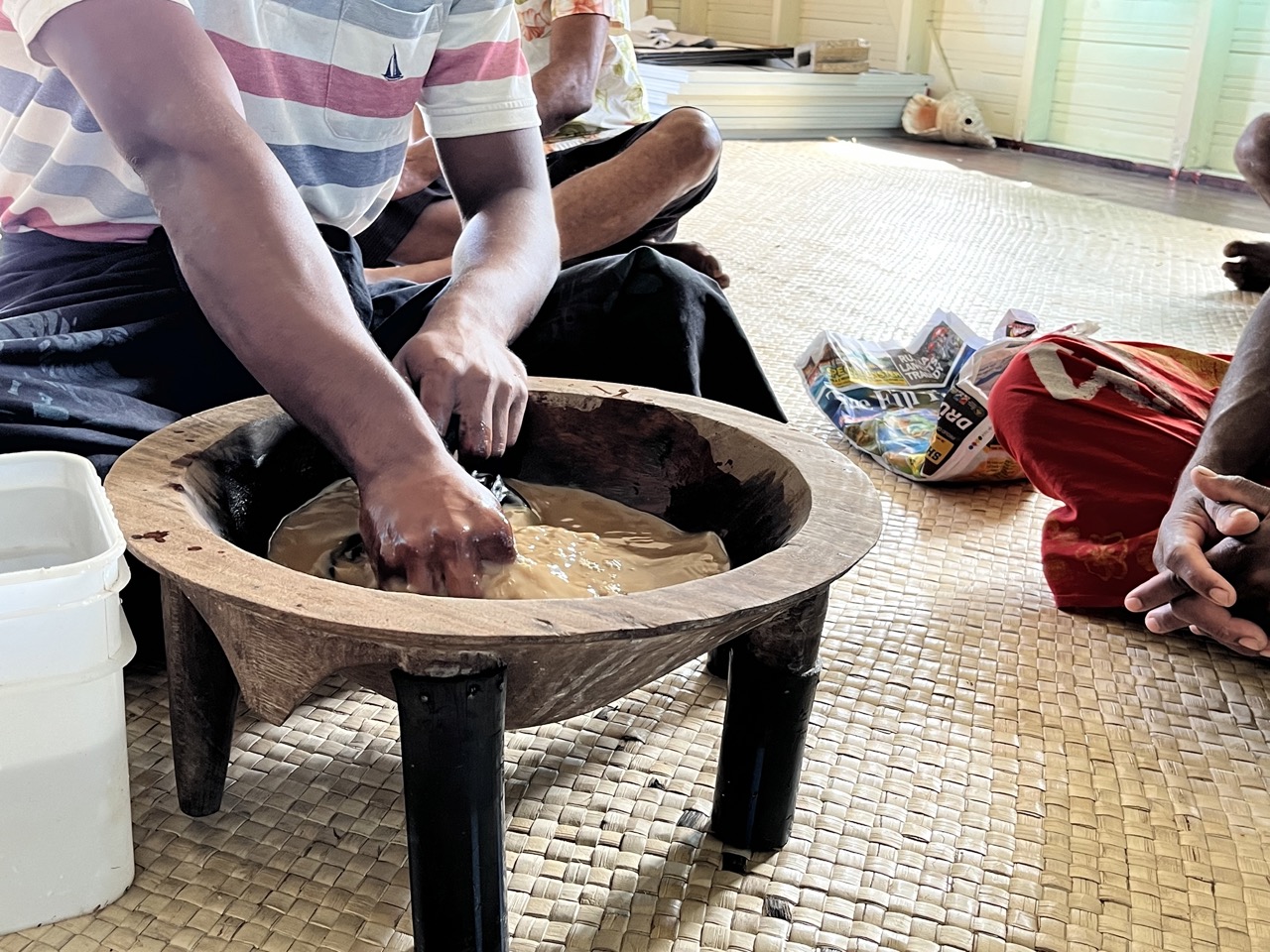
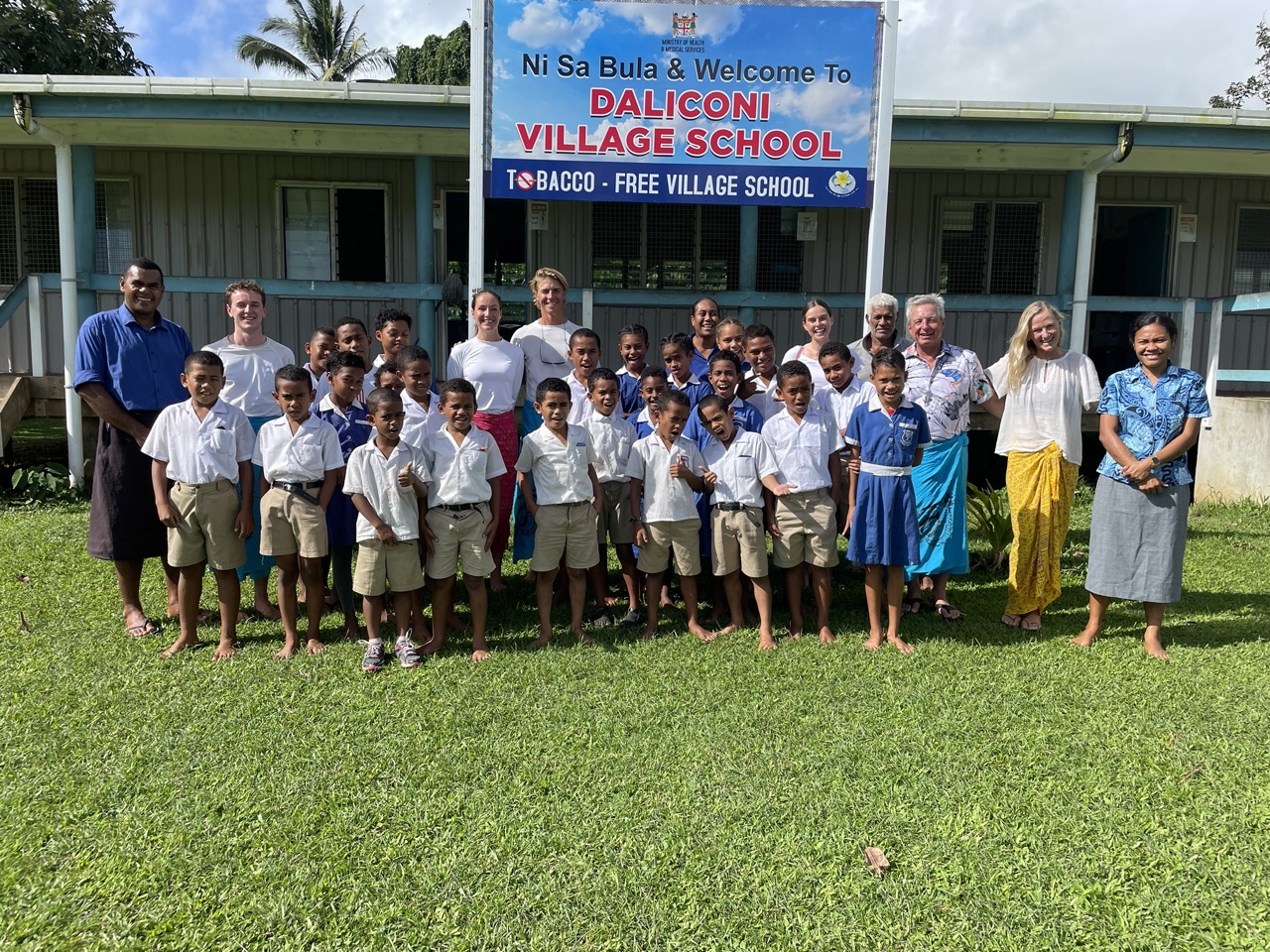
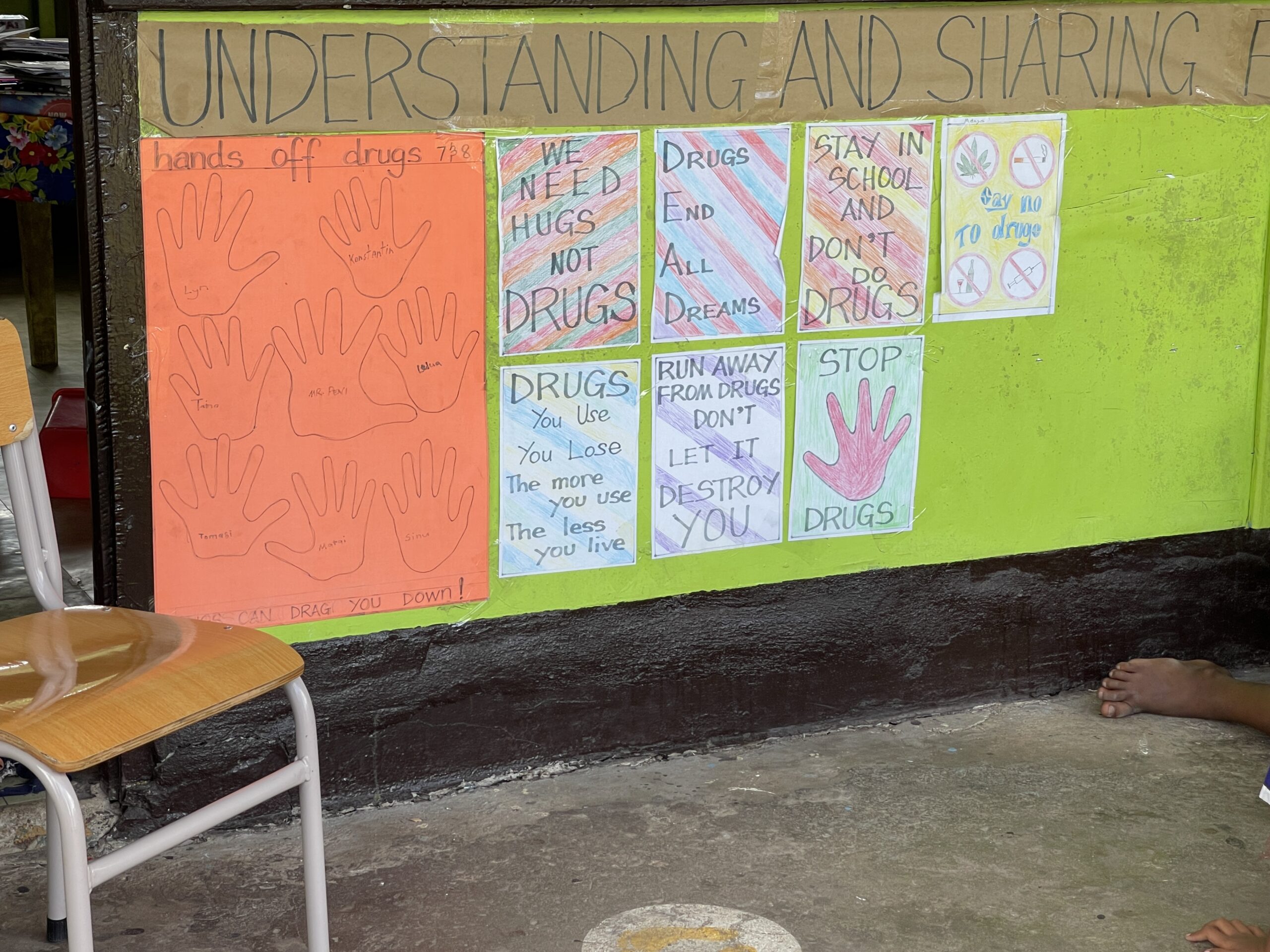
It was here that the Seahawk team visited a local school in the village of Daliconi. We also participated in our first Sevusevu; a ceremony where the visitors meet the chief and inform him of the intentions of the visit, acknowledge the clans that exist on the island and present an offering of quality Kava root. 

The Sevusevu ritual is mandatory when visiting any of the islands, as one needs to be welcomed in to enter the village. Valu was our representative on the ritual, and after being accepted, we were all allowed to visit the town.

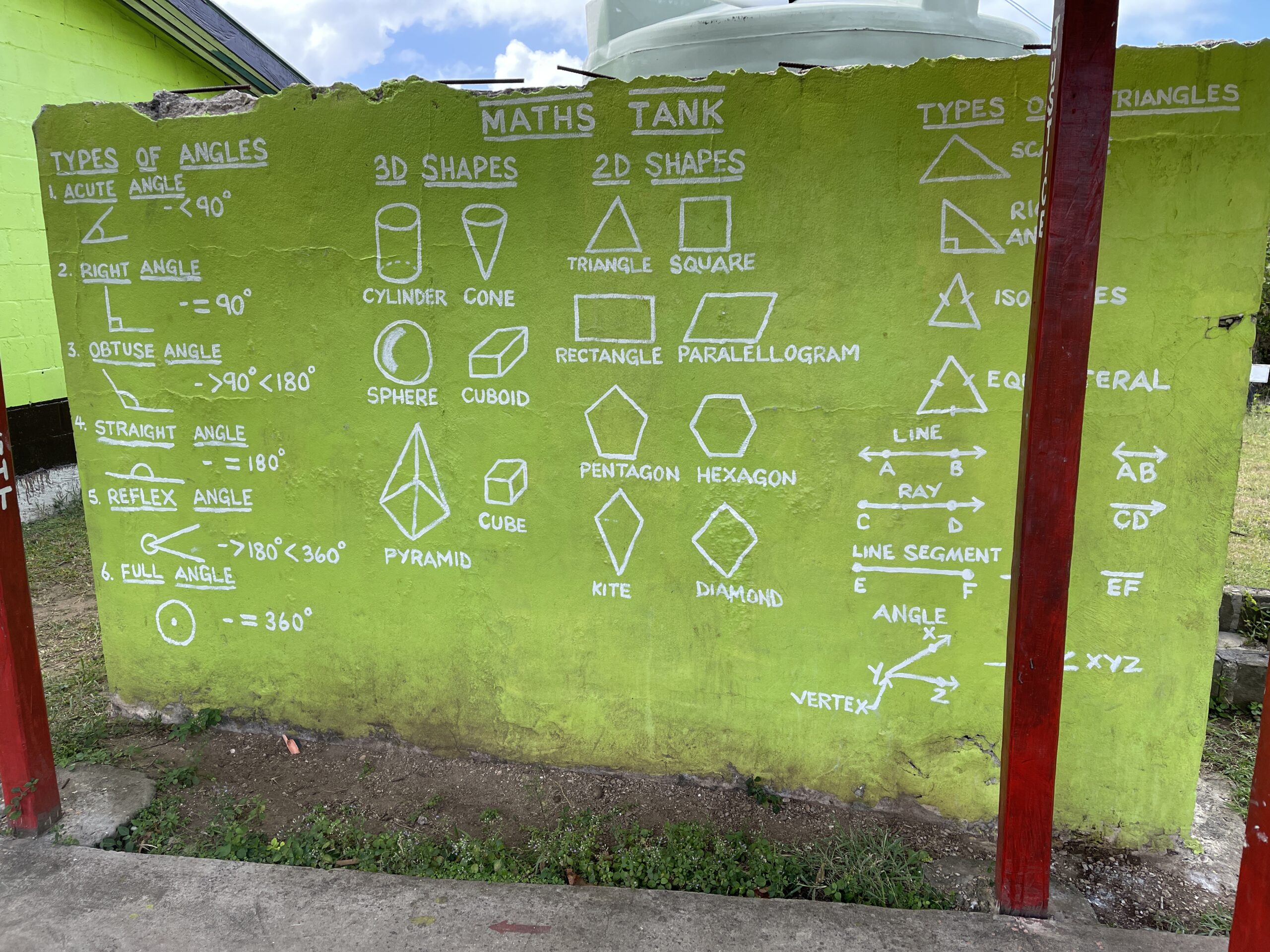
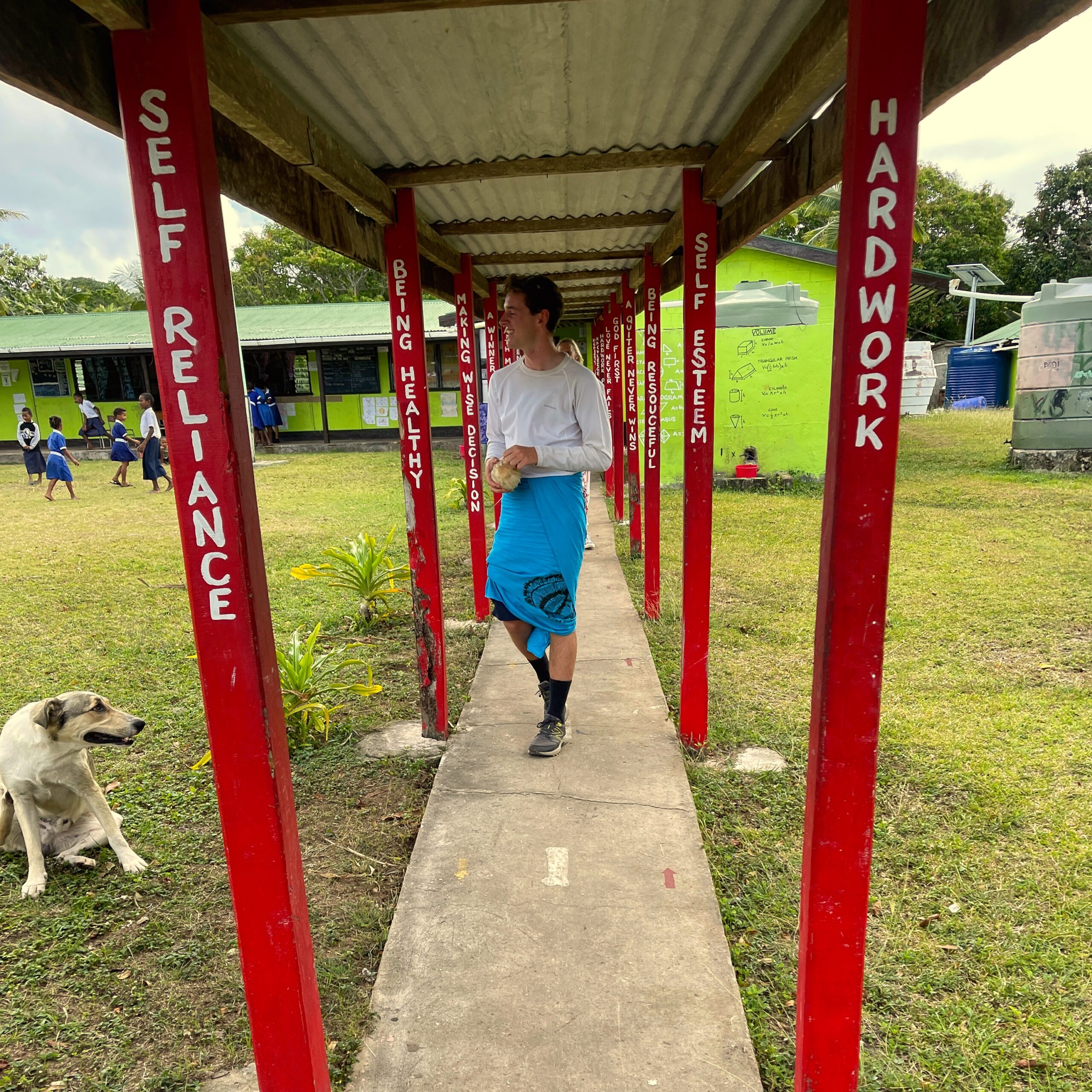
We were shown around the village and the school, meeting the teachers and the children. 

Village life is very simple, but the community’s basic needs are met. The school system in particular is a primary focus, as is the church for the villages’ largely Christian population. The 1st through 8th classes often involve several grades merged together depending on the age of the students attending. And the teachers, provided by the government, usually come from bigger areas, like Viti Levu. Their contracts normally last a year, but some stay on longer depending on personal circumstances including the nature of opportunities elsewhere. 

Daliconi Village School has 3 teachers and 25 children of several ages. This school had no internet and no cell phone service. Periodically, the headmistress, who has a cell phone, pilots a small school boat to a special spot in the lagoon where a cell signal is available. There she can communicate with her superiors and send reports. 

Although this supposes an extra effort, the teachers see the bright side in maintaining a traditional style of teaching, away from modern technology and internet usage.

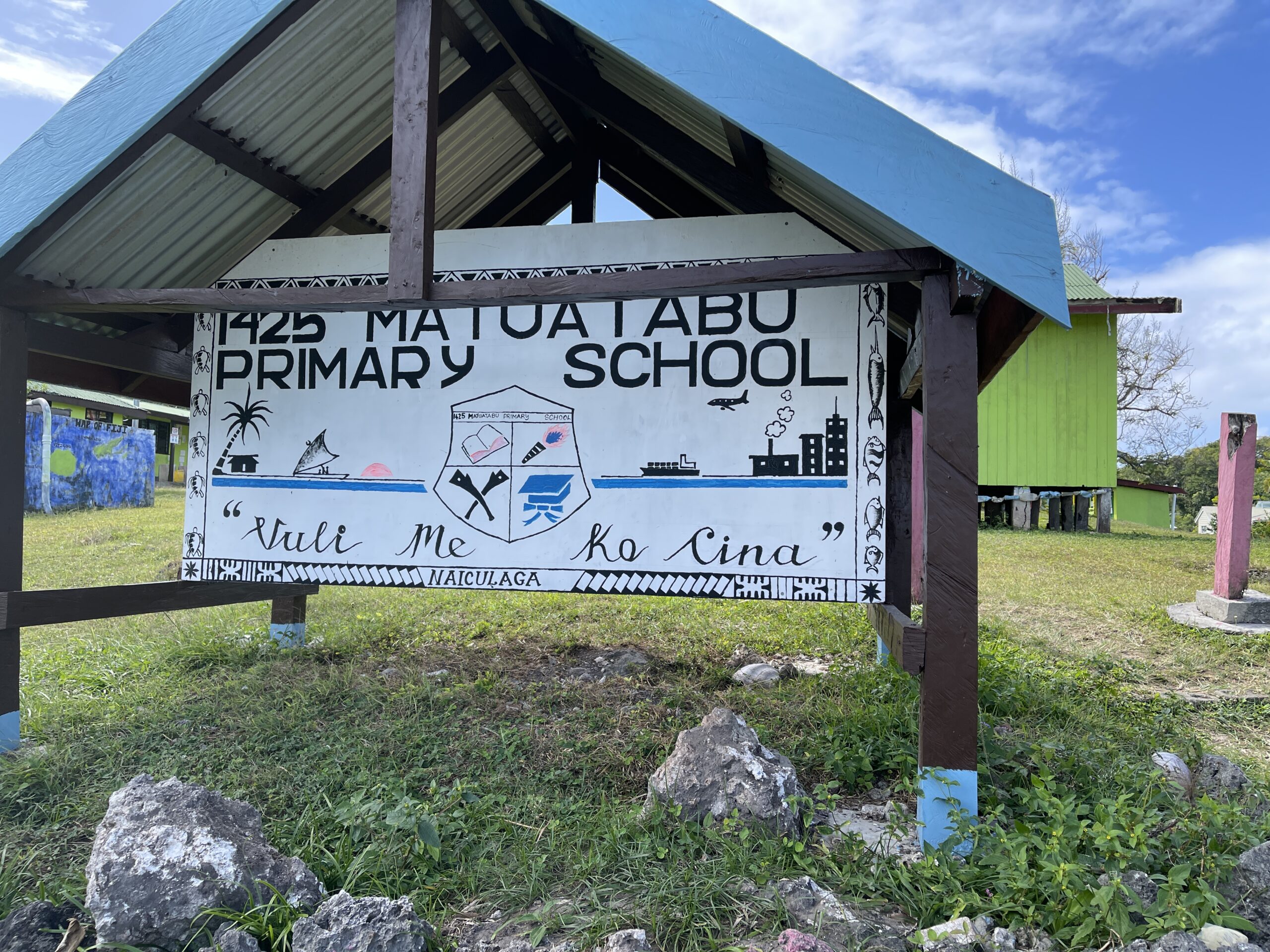
Daliconi was the first of three schools visited during our journey throughout the Lau group. Village communities in the Lau group have much in common, but there are small differences. The Oneata (Southern Lau) school, for example, recently installed an internet connection, and the school administrator emphasized the importance of designing an e-learning curriculum that prepares the students to compete successfully off the island, while also making the teaching relevant to their daily lives.

Seahawk’s warm welcome by the Lau Group island peoples was a treasure to be cherished. What started out as a somewhat routine mission to help the schools by donating learning materials and sports equipment turned into one of the most heartwarming and uplifting embracements ever. The friendliness and curiosity of the kids throughout all of our visits were salient. One of the most candid moments we had was in Udu village, on Totoya island; After introducing ourselves to the very young children, they all seemed too shy to talk to us, but then Righardt (the dive instructor on board) asked them about rugby and broke the ice in the room; glowing eyes and big smiles, many of them showed an enthusiasm that only grew when they saw the rugby balls gifted to the school. Clearly, there is no doubt as to which sport is the most popular in the country.

The village visits in Lau were a privilege for us, as we experienced Fijian culture and witnessed the lifestyle in such a remote part of the world. Unaccessible for most tourists, some of these islands have maintained a basic way of life. The community is also highly collectivist; a lot of value is put into the vanua (a concept that means family, village, and land); it is the norm to take care of each other, and obligations and rewards are shared between the inhabitants.

Exposure to Fiji island life also invites an opportunity to compare one’s own cultural baseline with others. Life for many Fijians is patriarchal and hierarchical. There is a defined line of power, with the chief of the village being at the very top of the structure and leading all decisions. A lot of respect is also given to the elders, who often share knowledge about the history of the land with the younger generations. Women traditionally maintain the role of caretakers, as in many other parts of the world. This was most apparent during our visit to Gau, where guests and some crew visited the village of Nawaikama to attend one of Fiji’s most traditional features; the Meke.

The Meke is an art show where stories are shared through songs and dancing. Women and men are dressed in traditional clothes to dance and chant songs about their history and culture.

As Captain Steve remembers from this particular day:

“When arriving at the village as a mixed group of crew and guests, we were very subtly but firmly segregated into two groups. The guest group, mainly female, plus the female crew members were ushered on a tour of the village while I and the other male crew were taken directly to the village hall where the elders of the village had gathered for the usual Kava ceremony. Even there when we arrived, as the captain I was separated from the other crew members and placed to sit with the senior members of the village… this was clearly a natural process for them, but stood out to us.”

Although we had a rough idea of what this event would be like thanks to Valu, what we experienced was unexpected.

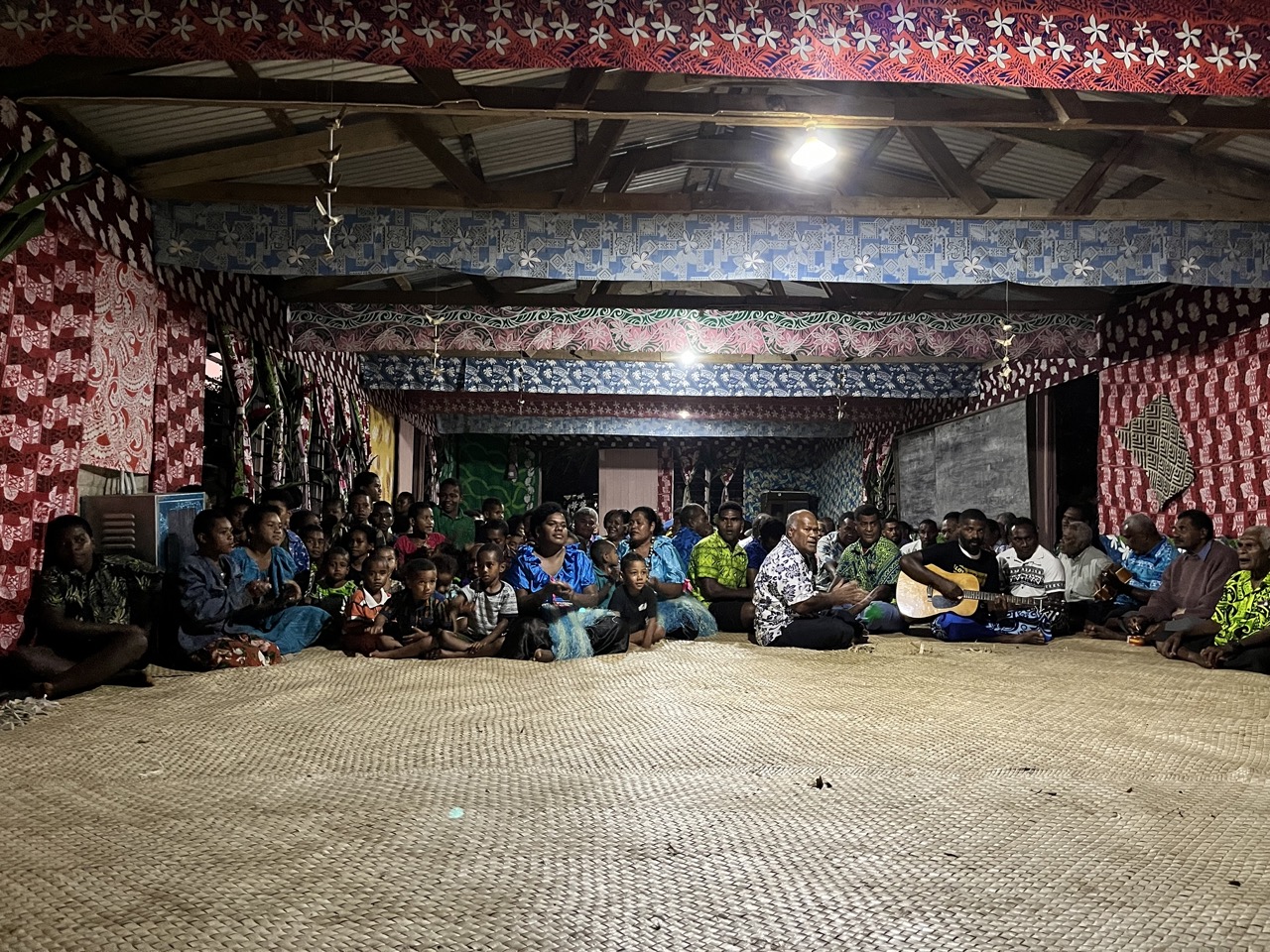
When we arrived at the village hall where the Meke would be hosted there was a crowd waiting. It seemed like the whole village had descended to greet us; the elders on one side, some older adults drinking Kava, and very young kids, women, and teenagers sitting on the opposite side. All were expectant for the show that was about to begin.

As guests, we sat facing the town locals, and one by one we introduced ourselves. We drank Kava, attended the sevusevu, and politely listened to some prayers. And then we watched the dancing and the singing, amazed by the room’s music and the joyfulness. Men, women, and teenagers all danced to their well-rehearsed function. Everyone sang. We all ended up dancing together and sharing a fun, memorable moment.

There are not so many places in the world where the whole town gathers to deliver the amazing warm welcome the Seahawk group received. Here in Fiji, though, events like this are an occasion for everyone in the village to share time together, and at the same time to proudly introduce outsiders to their culture and traditions. We should all wish there were more places like Nawaikama.

Seahawk’s voyage around Fiji was an educational experience for everyone on board. We saw the good and the bad, the sad and the uplifting, and all in all, the reality of a nation characterized by a multicultural population navigating through modern-day challenges. The effects of overfishing and climate change on the environment and society, and the delicate balance between maintaining a traditional lifestyle while preparing the youth to navigate a world where technology and digital skills are necessary, were all on display

Although rainy, the last days of our voyage in Fiji were marked by good sailing, good hiking, and visits to some of the best dive spots in the region. The underwater surroundings seemed healthier than those experienced during some of our earlier stops; a reason to stay hopeful and keep fighting to protect the country’s unique marine life and coral reefs.

We arrived back at our home base in Viti Levu at the beginning of September, with a whole new perspective on the country. Seven weeks of circumnavigating the region were now complete. And so ends Seahawk’s first South Pacific journey. An adventure of a lifetime that had Seahawk crew, owners, and guests experiencing the wonders of places like French Polynesia, Fiji, and beyond. The end of the beginning. Many more adventures await on this side of the world.

With owners and guests departed, Seahawk headed directly to Auckland for a well-deserved shipyard period, a 10-year refit, in order to be ready and back in action by June 2023. Although the itinerary for next year is still to be decided, a big menu beckons. There are so many great South Pacific opportunities, and candidate archipelago places to visit. What’s next? Can’t wait to find out. 

For now, we’ll keep reflecting on the Seahawk mission around the world, the lessons learned, and the adventures waiting ahead.